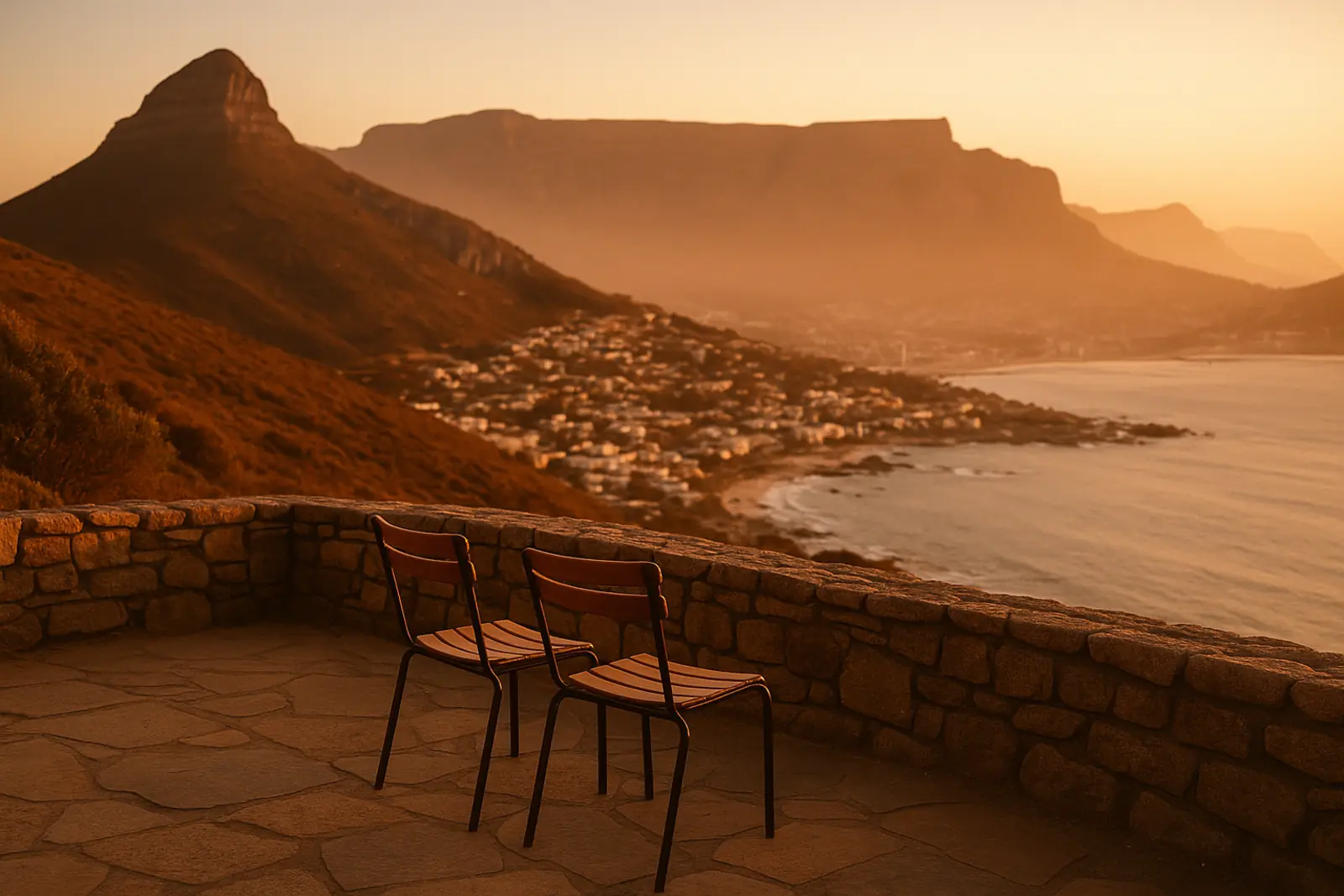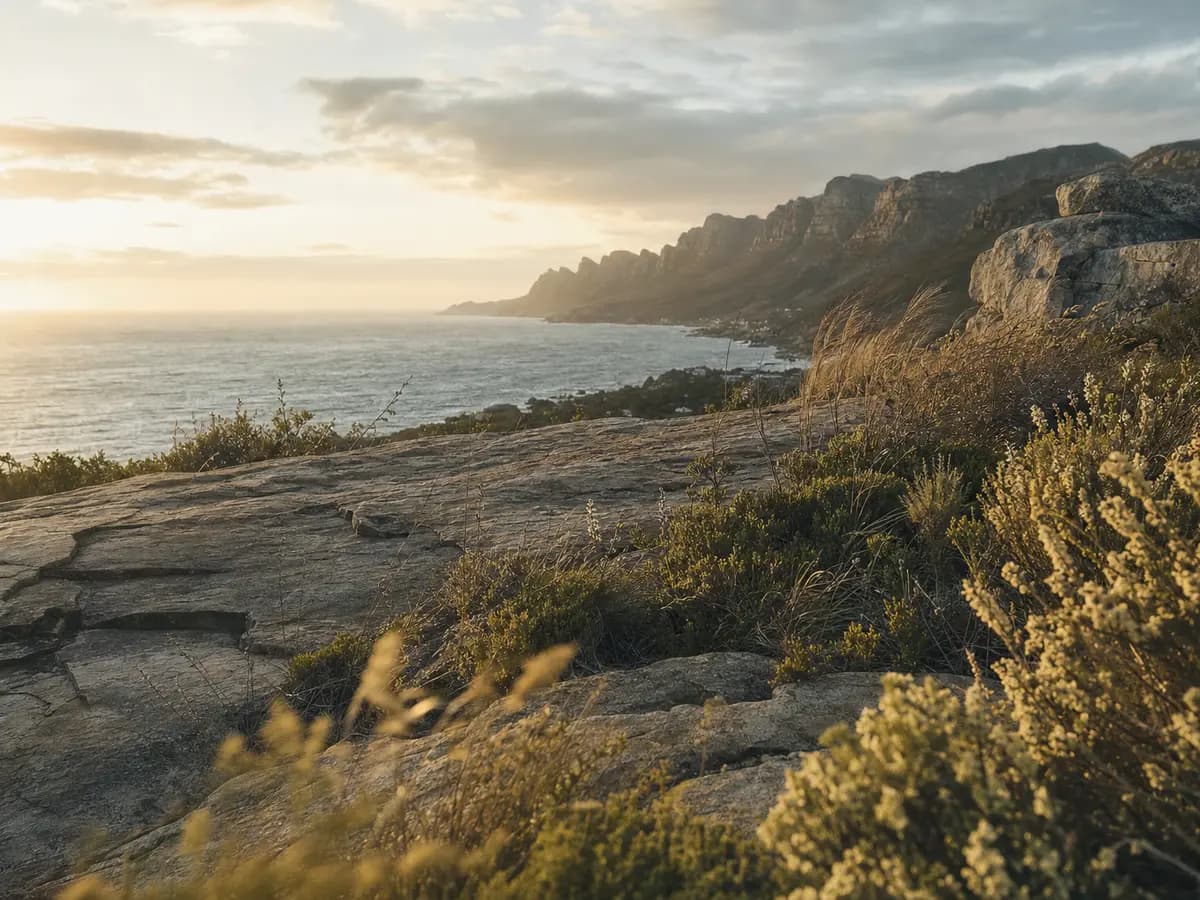
Cape Town's proposal problem is rarely a shortage of beautiful places; it is other people, and the answer has far more to do with when and where exactly you go than with a longer list of places to add to the seven this Journal already covers.
Weekday mornings do more work than a new location
The single most effective change available to you is timing, not geography: the same view that has a queue for photographs on a Saturday afternoon can be close to empty on a Tuesday morning. Term time matters too, since school holidays, particularly December through January and the Easter break, bring both local family outings and international visitors at once. If your calendar allows any flexibility at all, a weekday morning outside school holidays outperforms almost any amount of research into alternative spots.
The Atlantic side is not the only coast
Camps Bay, Clifton and the city's most photographed beaches sit on the Atlantic seaboard, which is also where the crowds concentrate and where the south-easter blows hardest through summer. Further along the same coast, past Hout Bay, the suburbs get quieter and the beaches less visited simply because they are further from the city centre and have less parking. It is the same ocean and broadly the same scenery, with a fraction of the company, particularly early in the day.
False Bay: a different mood on the same peninsula
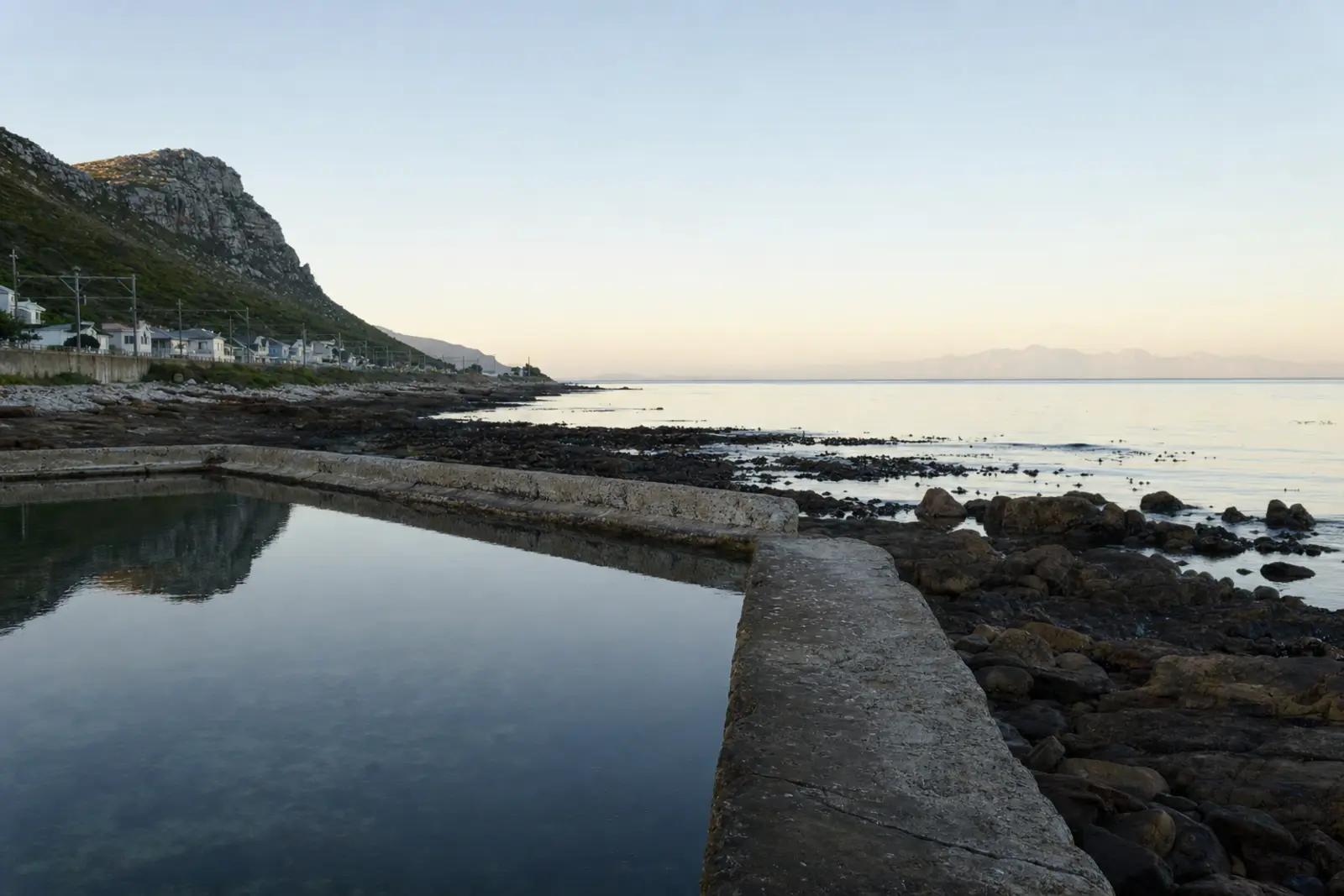
The False Bay side, from Muizenberg down through Kalk Bay, St James and Fish Hoek to Simon's Town, tends to be calmer in the summer wind, since the mountain shelters much of it from the worst of the south-easter. The tidal pools along this stretch are genuinely quiet outside a hot weekend, and the fishing-village character of the smaller towns gives a completely different feel to the Atlantic seaboard's polish. Check the tide chart before committing to a specific pool, since a full pool at high water looks nothing like the same pool exposed at low tide.
Inland and upward, away from the coastline entirely
Not every quiet option here is coastal. The forested slopes on the eastern side of the mountain, the trails through Newlands and Tokai, are largely overlooked by visitors focused on the coast and the cable car, and they offer shade, quiet and a genuinely different texture to a proposal than open sea and wind. They are also far less exposed to the south-easter, useful on the days the coast is simply too windy to hear each other.
Having a well-known place quietly
There is no need to avoid the famous spots entirely to avoid the crowd. The same locations most visitors queue for have a version of themselves available before nine in the morning or in the hour before closing, when the light is arguably better and the crowd has either not arrived yet or has already gone home. The difference between a well-known place at the wrong time and the same place at the right time is the whole difference this piece is actually about.
- Go on a weekday, outside school holidays, wherever your calendar allows it.
- Check the wind forecast for the specific day, not just the season.
- Try the False Bay side if the Atlantic seaboard's wind or crowds are the problem.
- Check tide times before committing to a specific tidal pool.
- Consider the forested slopes on the mountain's eastern side as a genuine, sheltered alternative to the coast.
Cape Town rarely needs a new place. Most of the time it needs an earlier alarm and a weekday.
Is the False Bay side really quieter than the Atlantic seaboard?
Generally, yes, particularly in summer, since the Atlantic seaboard draws the bulk of both local and international visitors and takes the full force of the south-easter when it blows. False Bay's smaller towns and its more sheltered position make it a genuinely calmer option through the windiest months, though it can still get busy on a hot weekend, so the weekday-morning advice applies just as much here as it does on the Atlantic side.
What time of year has the fewest crowds in Cape Town?
May, June and August tend to be the quietest months overall, since they fall outside both the summer wind season's peak tourist months and the main local school holidays. Winter brings its own weather to plan around, mostly rain arriving in bands with clear days between them, but a clear winter weekday is about as private as Cape Town gets. If you need a summer date specifically, aim for early autumn, around March, when the wind has usually begun to ease.
Should we still consider one of the well-known Cape Town proposal spots?
There is no reason to avoid them on principle. The places covered in this Journal's main Cape Town guide are well known because they genuinely are among the best settings in the city, and the crowd problem is a matter of when you go rather than where. Pair one of those locations with the weekday-morning approach here, and you get the setting without the queue, which is usually the actual goal.