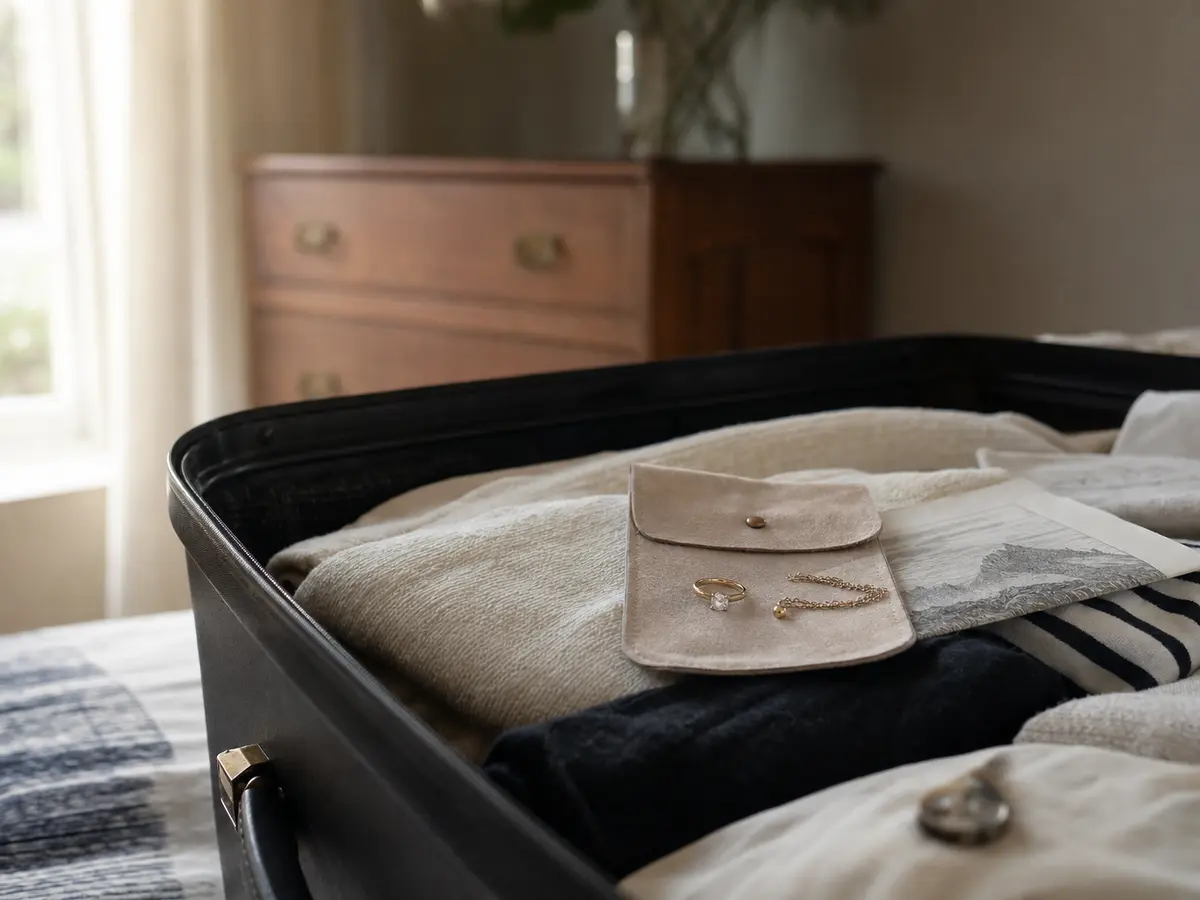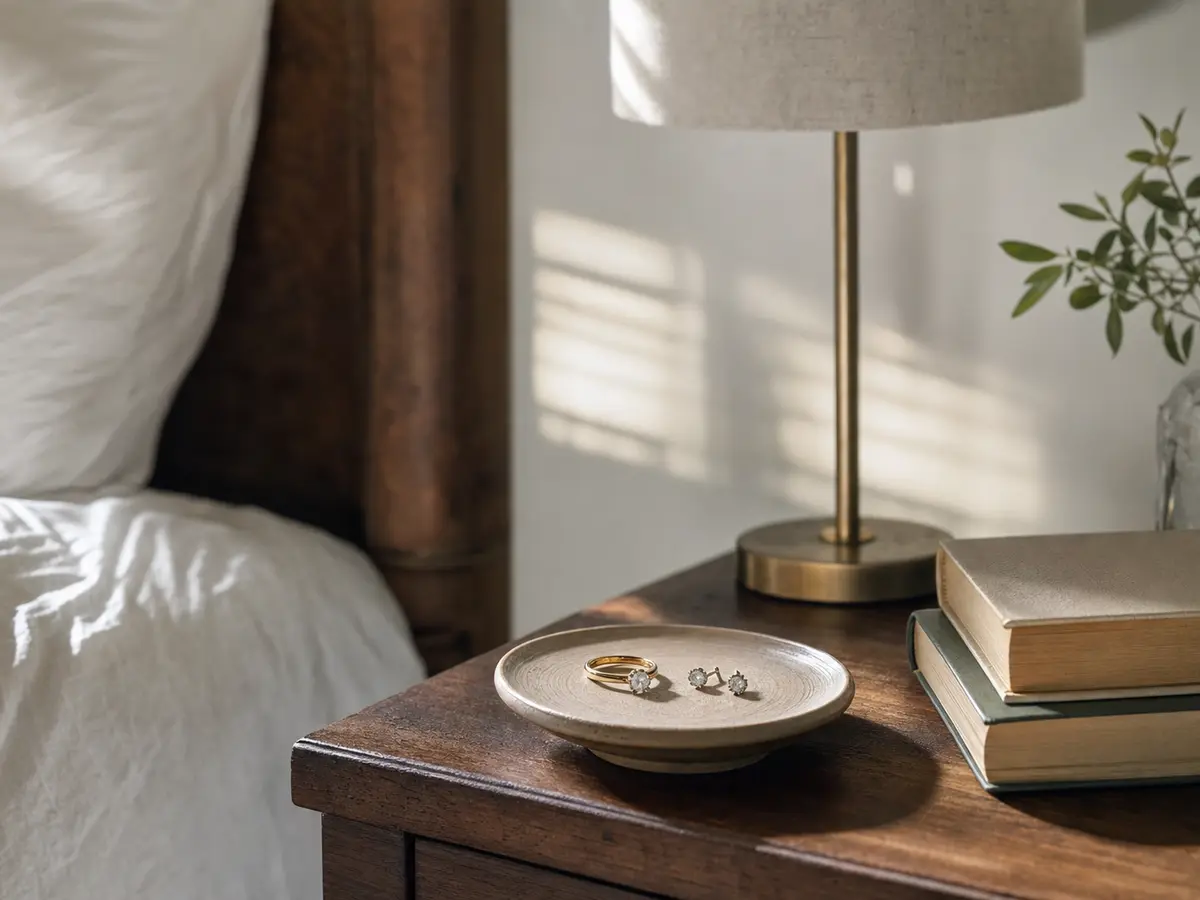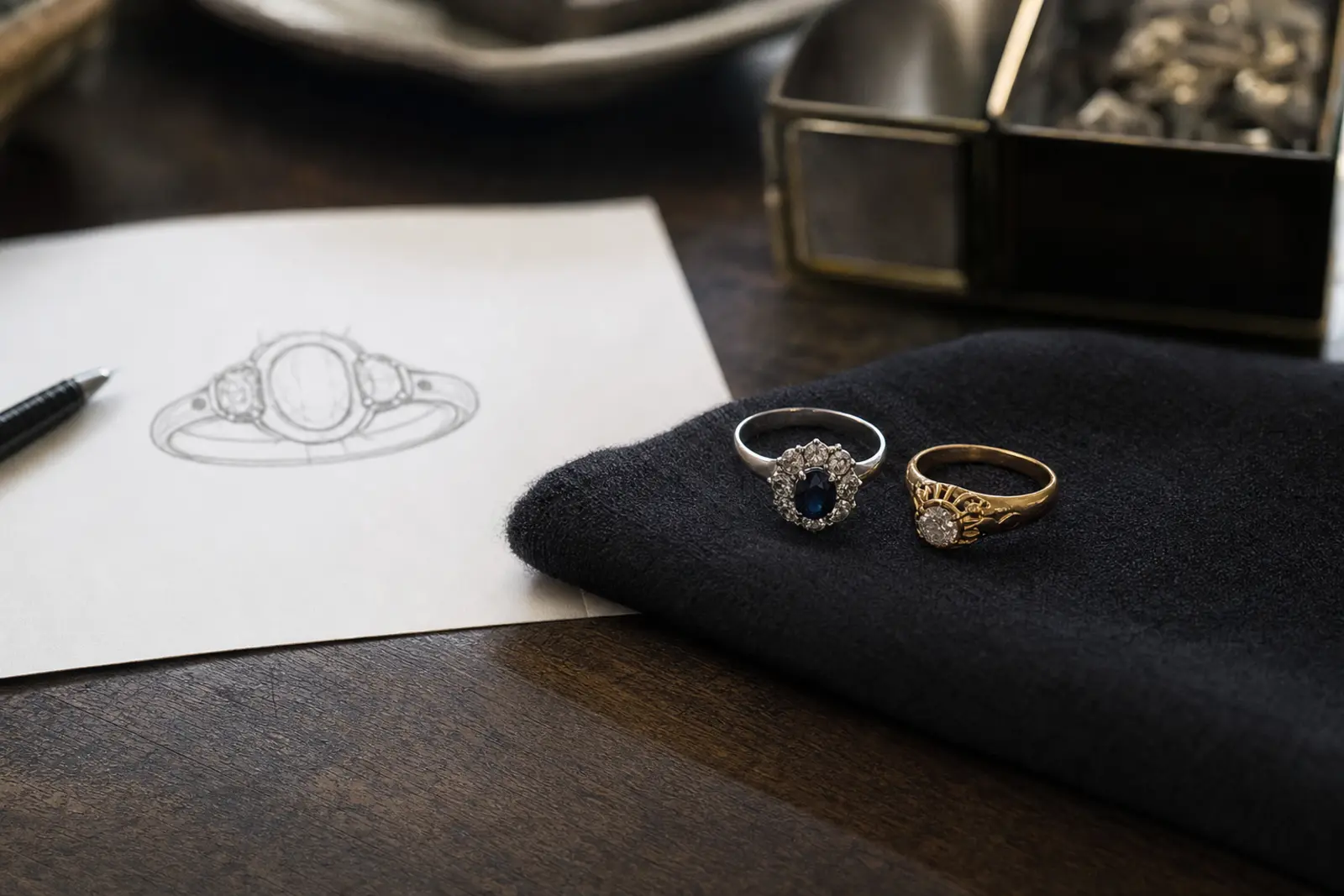
Turning two family pieces into one new piece is among the more emotional commissions Gavin takes on, and it works best when the metals, the stones and, most of all, the people involved are all accounted for before any design is drawn.
What combining usually means
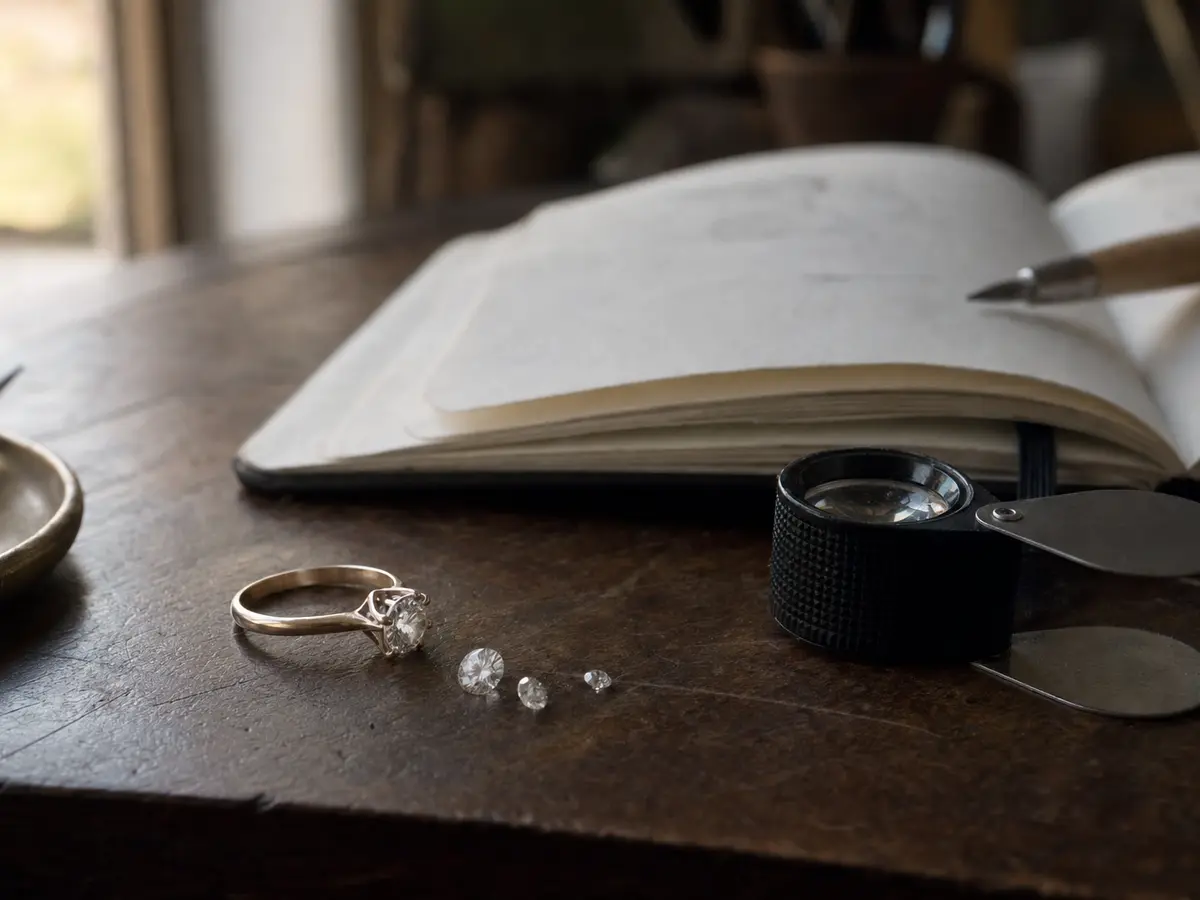
It rarely means literally melting two rings together. More often it means taking a stone from each of two rings and setting them side by side in one new piece, or combining a brooch's stones with a ring's band, or splitting a large piece between two smaller ones that each carry a part of both originals. The brief is emotional. The plan underneath it is practical.
Metals that cannot be mixed
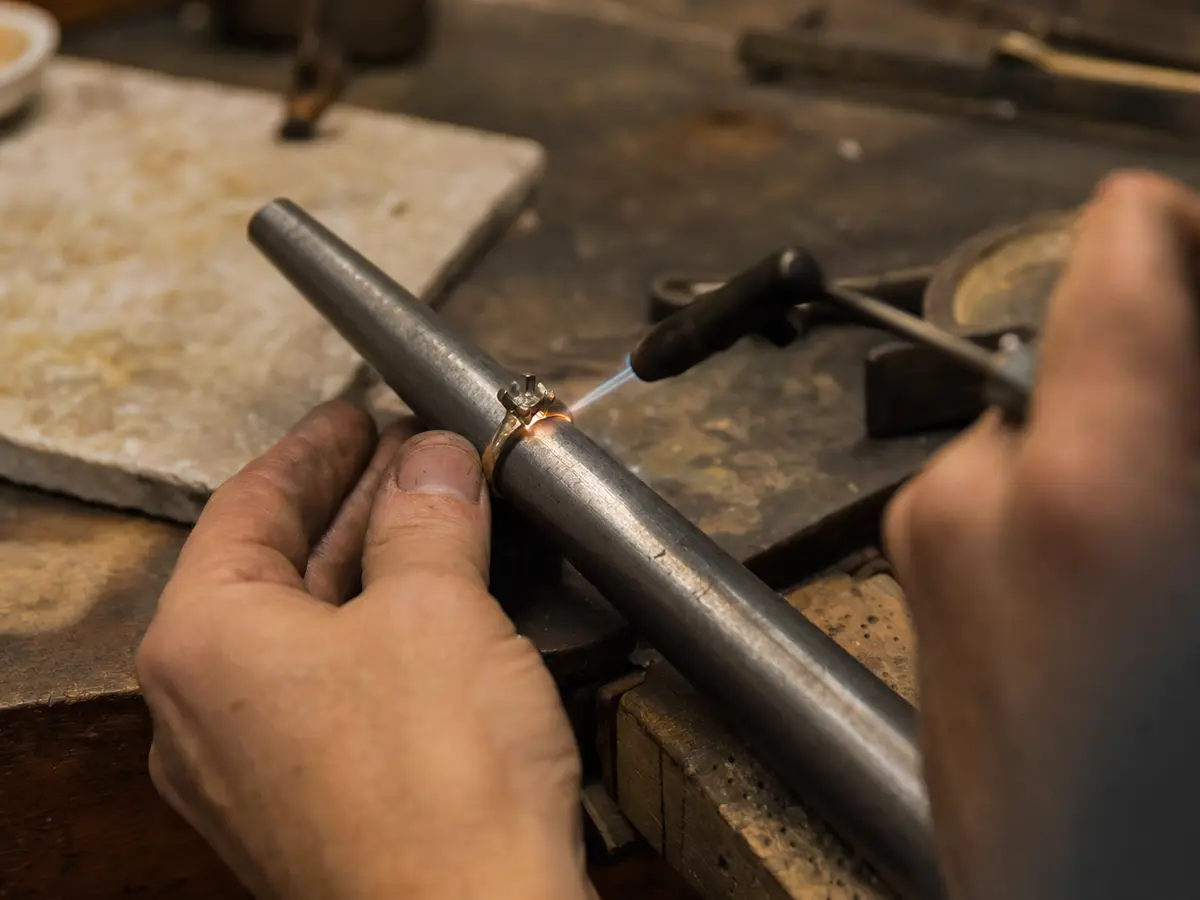
Different gold purities, 9k and 18k for instance, cannot simply be melted together and recast as one sound metal, and neither can gold and platinum. Platinum group metals can weaken and embrittle gold if the two are combined in casting, and mixing golds of different purity produces an alloy with unpredictable colour and strength. In practice this means choosing one fresh metal for the new piece and finding another home, usually a keepsake or a return to the family, for whichever original metal is not used.
Design approaches that honour both pieces
One option sets stones from each source deliberately apart rather than blended so they cannot be told apart, so each grandmother's stone is still recognisably itself within the new design. Another carries a motif across: a scroll pattern lifted from a brooch and worked into a new band, for instance. A third splits the design visually along its length, so each half genuinely comes from a different piece. None of these is more correct than the others. The right one depends on what the two pieces meant, not on what looks cleverest.
What to do with what is left over
The metal and any stones not used in the new piece do not have to disappear. Families most often choose one of three things: have it returned as it was, have it made into something small like a pendant or a pair of cufflinks for someone else in the family, or have its value offset against the new commission. Decide this before the new piece is designed, not after, so nobody feels the leftover was an afterthought.
The conversation between siblings
Where a stone or a piece is claimed by more than one person, sentiment and fairness rarely divide as neatly as the object does. Two siblings with one ring each from two different grandmothers, wanting to combine them into a single piece for one of them, need to agree that early and openly, including what the other one keeps or receives in return. A jeweller can offer options once everyone is talking. A jeweller cannot referee a conversation nobody has had yet.
Documenting what came from where
Photograph both original pieces before any work begins, and write down, plainly, which stone or element came from which piece and whose it was. This is partly practical, for insurance and for any later question about the new piece's history, and partly for whoever inherits it next, who will want to know both grandmothers are actually in the ring rather than take it on faith.
- Photograph both originals from every angle before any work starts.
- Confirm which metal will be used for the new piece and which is set aside.
- Agree what happens to whatever is not used, before design begins.
- Have the family conversation about who receives what, out loud, early.
- Write down which element came from which piece and whose it was.
Can stones from two different rings really sit in one setting?
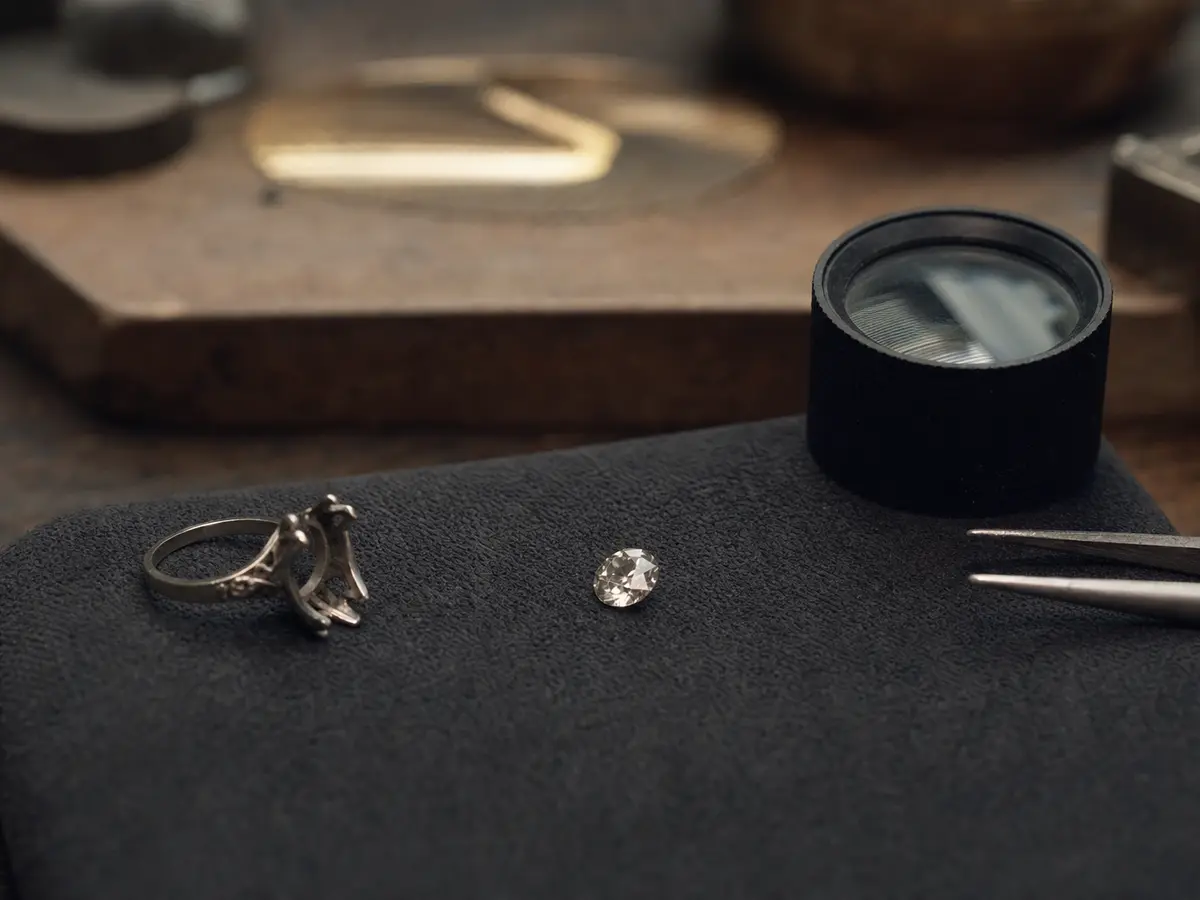
Yes, provided they are compatible in durability and roughly matched enough in scale to sit together without one visually dominating the other. Two diamonds of noticeably different cut styles, an old mine cut and a modern round brilliant say, can sit together deliberately as a statement about where they came from, rather than being forced to look identical. The design decides how much they should match and how much they are allowed to stay distinct.
What if the two original pieces are very different in style?
That is common, and it is not a problem, though it does shape the approach. Rather than forcing an old, ornate brooch and a plain modern band into one blended look, it is often more honest to choose one clear design language for the new piece and carry across a single detail, a stone, a colour, a small motif, from the other. Trying to reconcile every element from both rarely produces a design either piece's original owner would have recognised.