Nobody enjoys this part and almost everybody puts it off. It takes about ten minutes of attention and it is the difference between a bad week and a catastrophic one.
Get a valuation, not the invoice
An invoice records what you paid. A valuation records what the piece would cost to replace, which is a different and usually higher number. Insurers want the second one, and a claim assessed against a purchase price from years ago will not rebuild the ring.
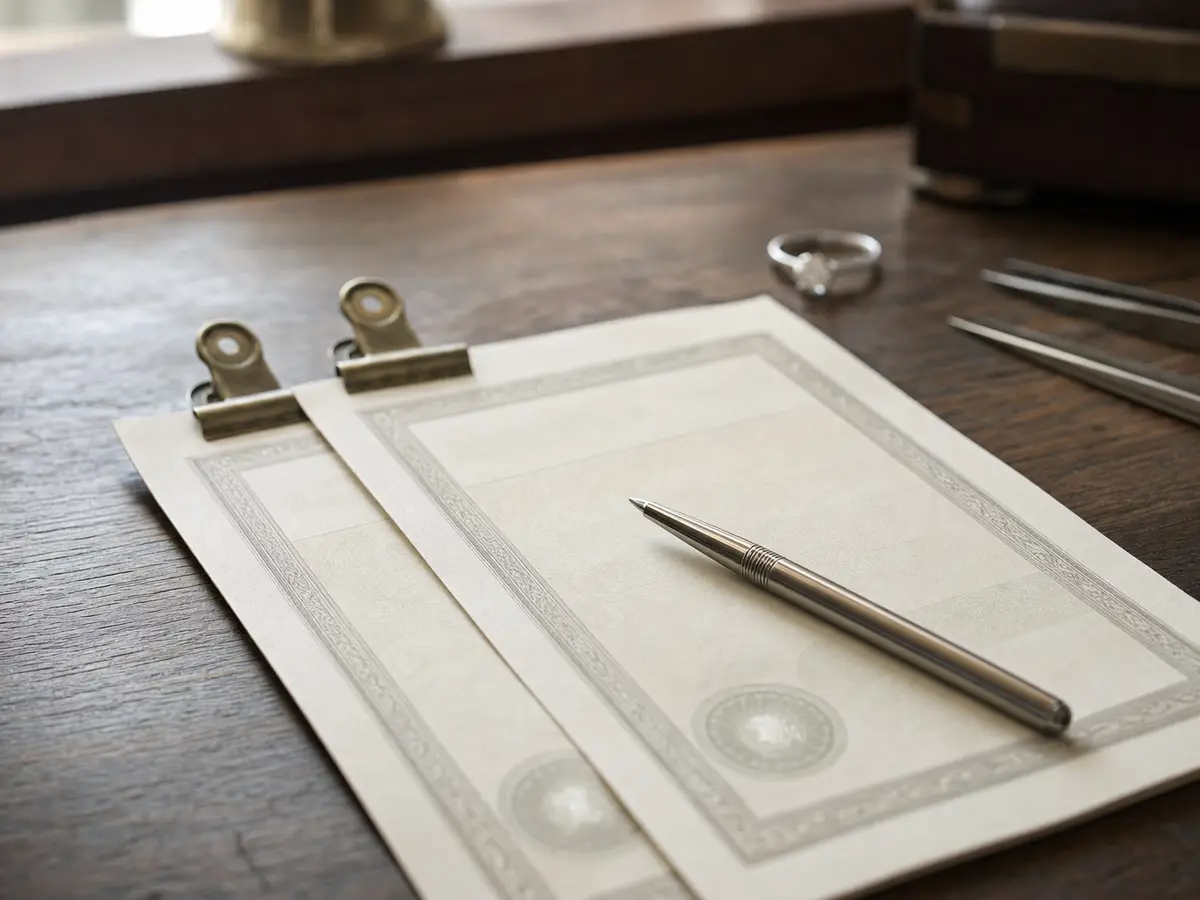
A proper valuation describes the piece specifically: stone weights, colour and clarity, metal, measurements, and photographs. Vague wording is what gets claims settled with something that is not your ring. We issue valuations for every piece we make, and we can value pieces we did not make.
Specified, all risks, worldwide
- Household contents cover generally protects jewellery only inside the house, and usually with a low single-item limit. It is not ring cover.
- You want the ring listed by name and value under all risks, sometimes called specified all risks or personal effects, which covers it away from the house.
- Confirm the cover is worldwide, and check whether there is a limit on how many days you can be out of the country before it lapses.
- Loss is not the same as theft. Make sure the wording covers accidental loss, which is how most rings actually disappear.
The clause most people never read
Many policies contain a maintenance or security condition: the insurer can decline a claim for a stone that falls out if the setting had not been inspected within a stated period, often two years. It sits in the fine print and it is entirely enforceable.
Two consequences. Book a check every eighteen months to two years and keep whatever the jeweller gives you afterwards, because that record is what satisfies the clause. And read your own wording. The period varies by insurer and by policy.
Keep the value current
Metal and stone prices move, and the rand moves against them. A valuation from five years ago is likely to under-insure you badly. Revalue every three years, or sooner if there has been a sharp currency move, and send the updated certificate to your broker rather than filing it at home.
Valuation, specified all risks, a diarised inspection. Three things, once, and then it looks after itself.
Should the ring be insured before it is even given?
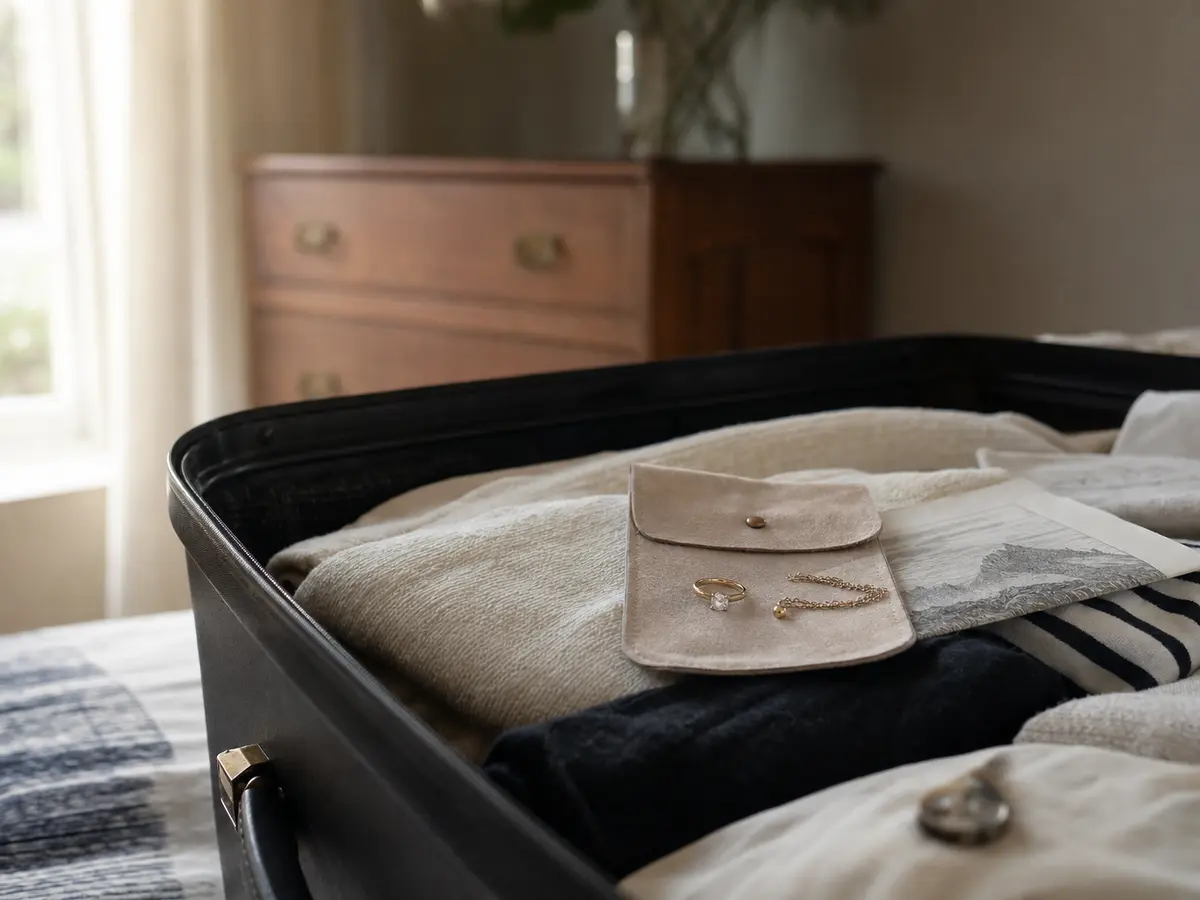
Yes, from the day it leaves the studio. The weeks between collection and the proposal are exactly when a ring is carried in pockets, hidden in cupboards and taken on trips, which is more risk than it will see in a normal year of being worn. Ask your broker to add it as a specified item on the collection date, using the valuation, and tell them if it will travel before you propose.
Whose policy should the ring sit on after the proposal?
Whoever wears it, in most cases, because the policy conditions about care and security are easier to satisfy by the person who has the ring. Until you share a household policy, that usually means moving it from the buyer's cover to the wearer's once the proposal has happened. Brokers do this routinely; the valuation moves with it. Do not let it sit uninsured in the gap between the two.