Inherited jewellery tends to sit in a safe for a generation because it is too significant to wear and too significant to sell. That is a waste of both the piece and the person it came from.
Decide what you are actually keeping
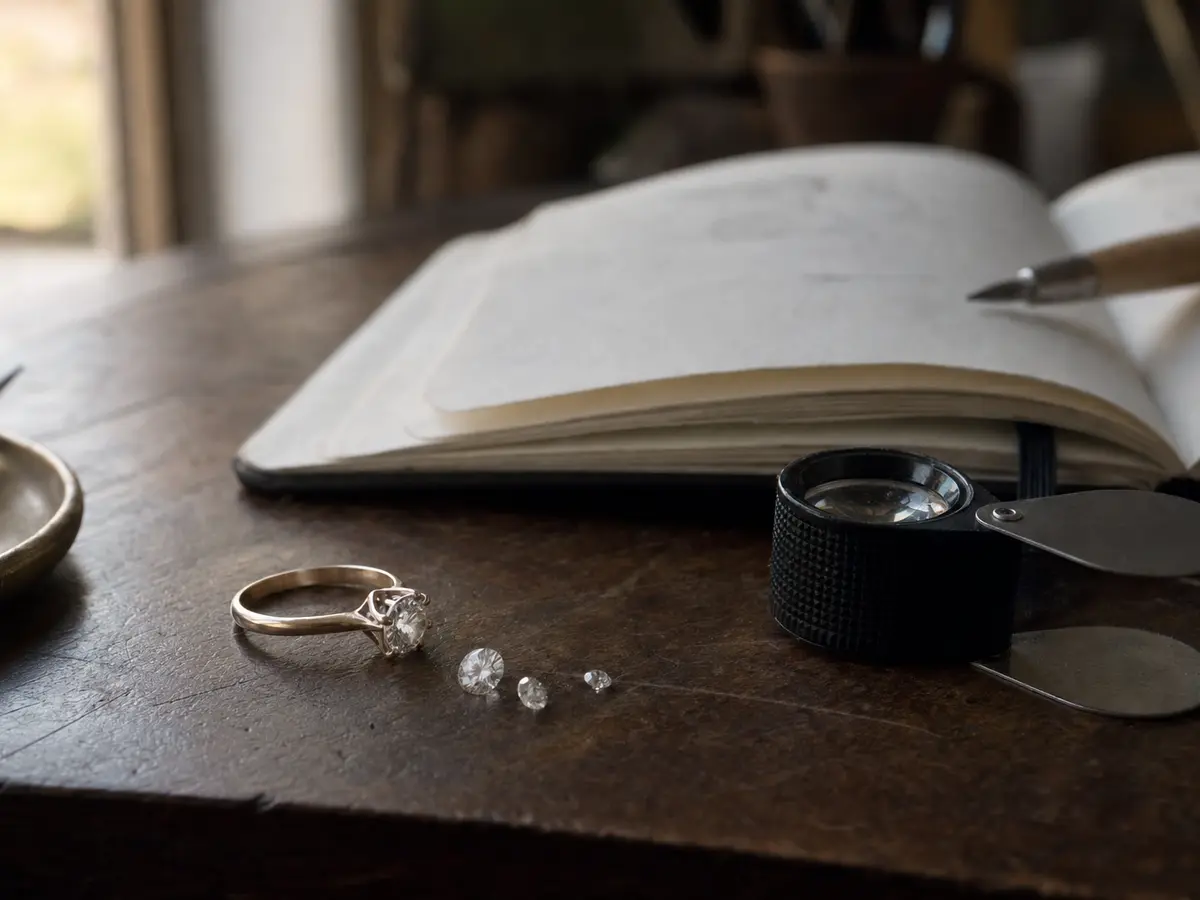
This is the first and hardest question. Almost never is the answer the whole object. Usually it is the centre stone, sometimes the small diamonds around it, occasionally the metal itself because a grandfather made it. Once in a while it is only the engraving inside the band, which can be lifted and carried into a new piece.
Say the answer out loud before any work starts. The rest of the process becomes straightforward once that is settled, and genuinely difficult if it is not.
Have the old stones assessed honestly
Older stones were cut by hand for candlelight and gaslight rather than for LEDs. Old European and old mine cuts have smaller tables, higher crowns and a softer, warmer flash. They are not badly cut, they are cut for different light. Anyone who tells you an old cut needs recutting to be worth something is looking at a fee rather than the stone.
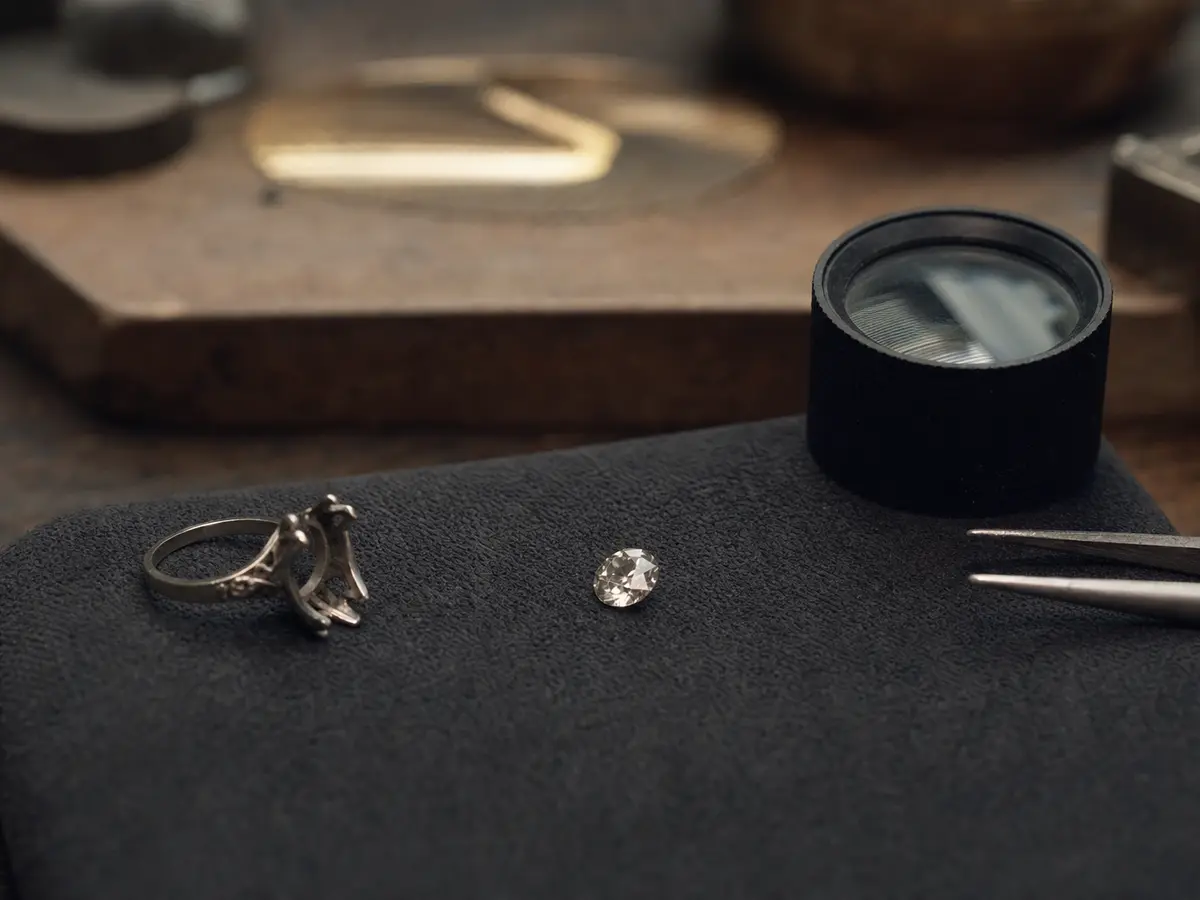
What does need honest assessment is condition. Decades of wear leave chips at the girdle and abraded facet junctions, and those affect how the stone can be set. We look at every stone out of its setting under magnification before we promise anything, and we tell you if a stone cannot safely take what you have in mind.
Document it before it changes
- Photograph the piece from every angle, in daylight, before it is touched. This takes ten minutes and it cannot be done later.
- Write down what you know: who wore it, when it was given, what it was for. That note ends up mattering more than the photographs.
- Get a valuation on the original if it has never had one; you may need it for insurance either way.
- Ask us to keep and return the old metal. Some families have it made into something small for a sibling, and some simply want it back in the box.
What modernising usually means
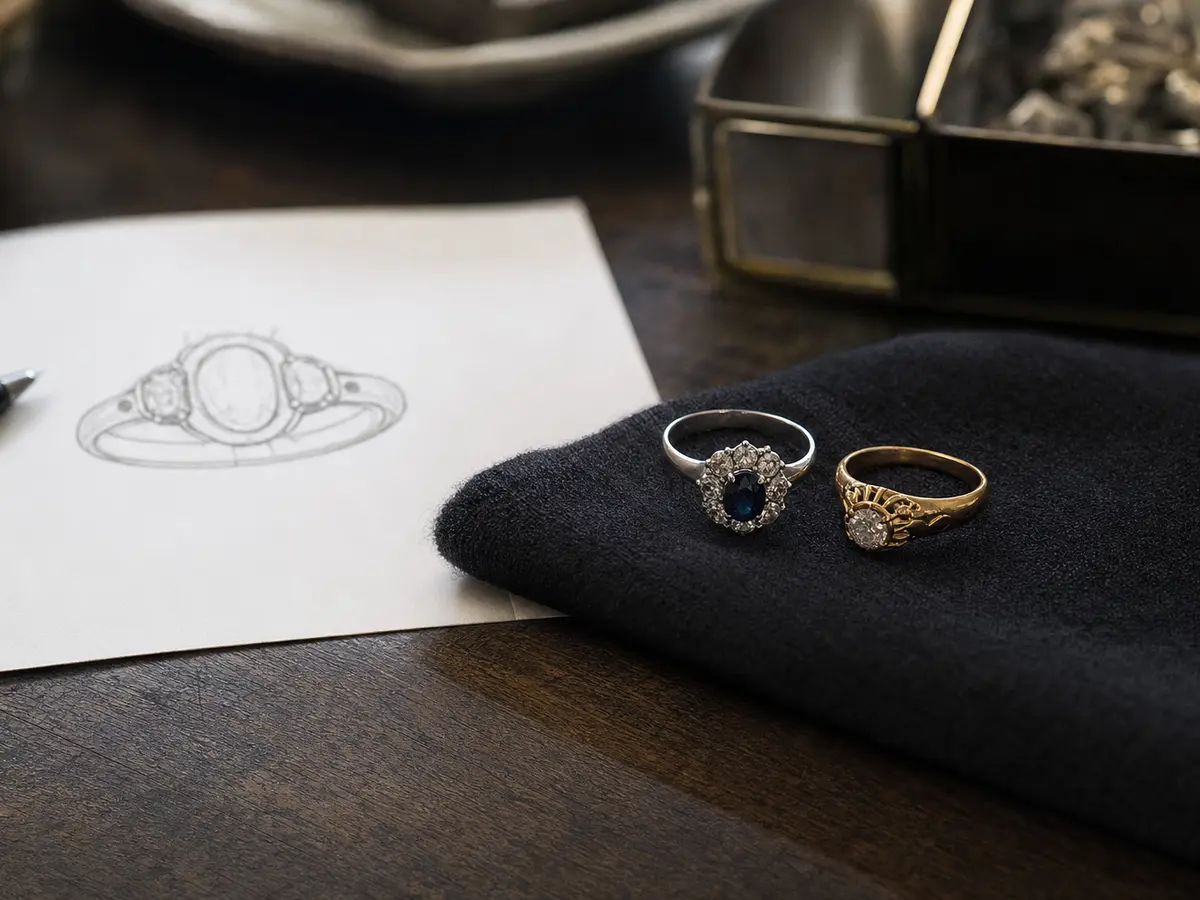
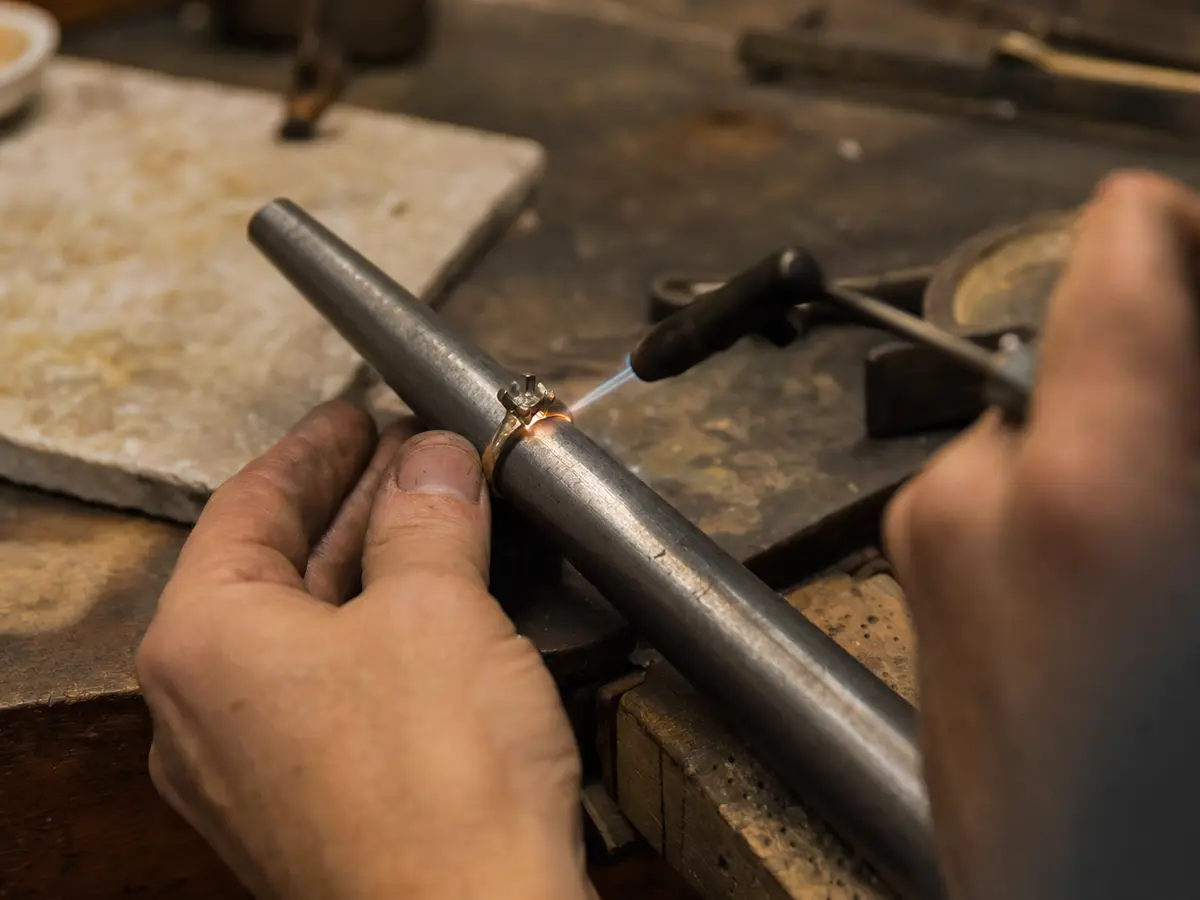
In practice it is rarely a dramatic redesign. It is lowering a very high setting so the ring can be worn daily, replacing worn prongs, moving a cluster into a cleaner arrangement, or splitting a large brooch into a pendant and a pair of earrings that three sisters can actually use.
The restraint is deliberate. A redesign that erases the character of the original leaves you with a new piece that happens to contain old stones, which is not what anyone came in for.
The point is not to preserve an object. It is to get it back on a hand, where it was always meant to be.
Can the old gold be melted down and used in the new ring?
It can, and some families want that for the sentiment. The honest caveat is that old gold carries unknown alloys and often solder from past repairs, so it is refined and re-alloyed rather than simply melted and poured, and the finished metal is not identical to what went in. The alternative most people choose is to have the old metal returned, or made into a small plain band, and the new piece cast in fresh metal of a known standard.