A garden wedding venue gets chosen twice: once for how the planting looks in photographs, and once for what that same garden actually does in the month you have booked, and those two decisions are not always the same one.
The season decides more than the flowers do
A Highveld garden in July is dry, brown at the edges and bare of leaf on most deciduous trees, but the sky is reliably clear and there is close to no rain risk. The same garden in November is green, roses are out, and the risk of a genuine afternoon storm is real. Cape gardens run in reverse: winter (roughly May to August) brings rain, and summer brings the south-easter rather than storms. Ask to see photographs of the actual garden in the actual month you are booking, not a brochure shot taken in spring.
Shade, heat and the middle of the day
A garden ceremony at two in the afternoon in Highveld summer, or in KwaZulu-Natal humidity at any time of year, can be genuinely uncomfortable for guests standing in the open. Check where the shade actually falls at the specific ceremony hour, not just whether the garden has trees somewhere in it, and ask whether there is a shaded waiting area before the processional begins.
The weather backup that is more than a promise
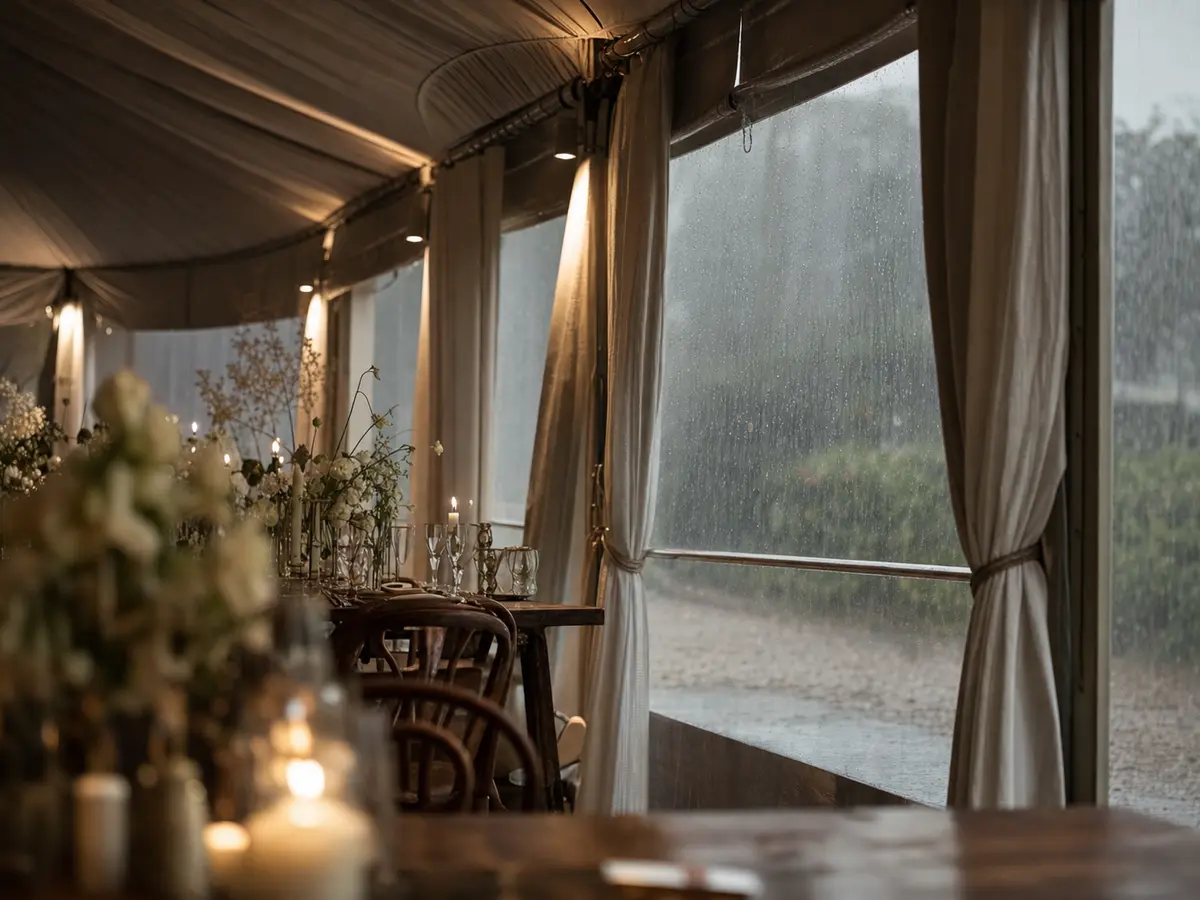
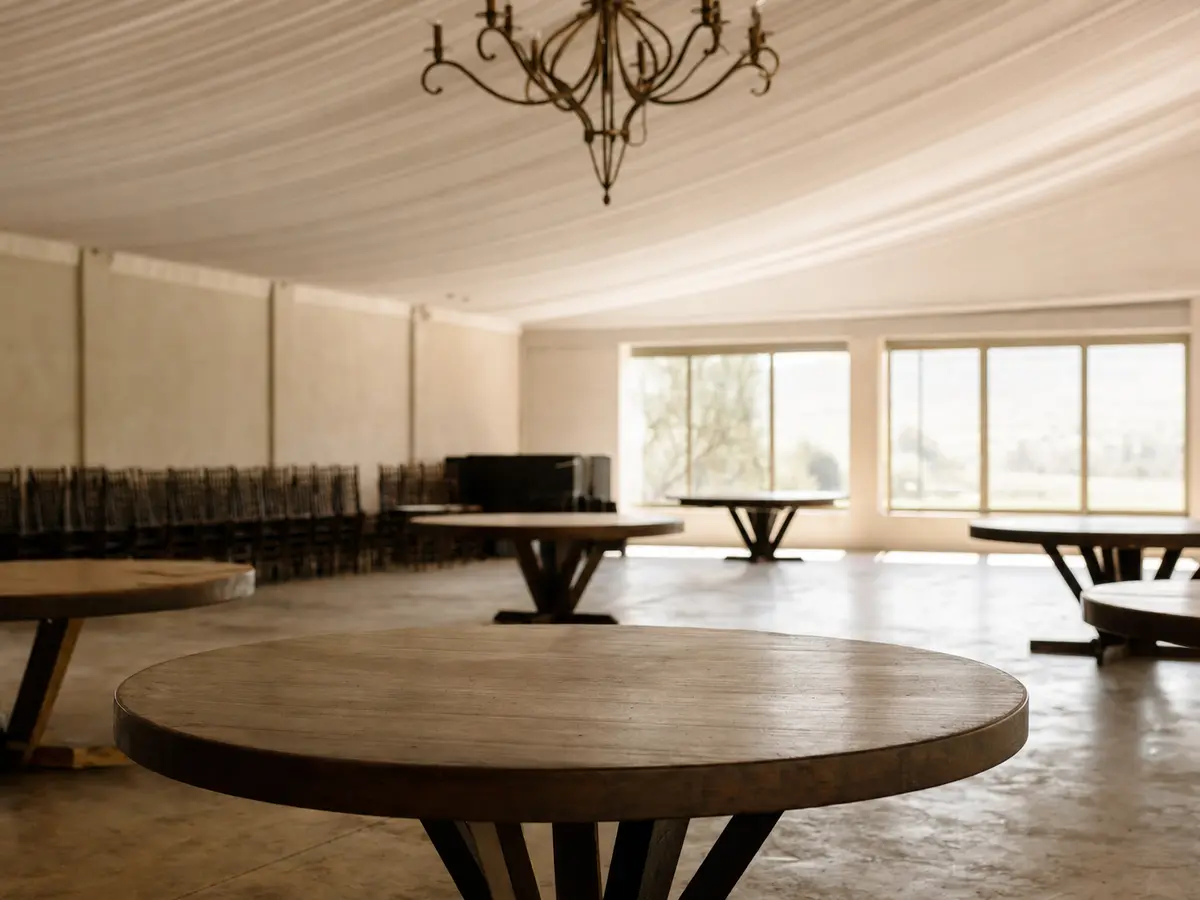
A garden venue worth booking has an indoor or covered space sized for your full guest count, not a small function room that only fits half the list once it comes to it. Ask to see that space directly, and ask who makes the call to move indoors, and when. A backup that exists only as a sentence in the brochure is not a backup.
The ground, and what rain leaves behind
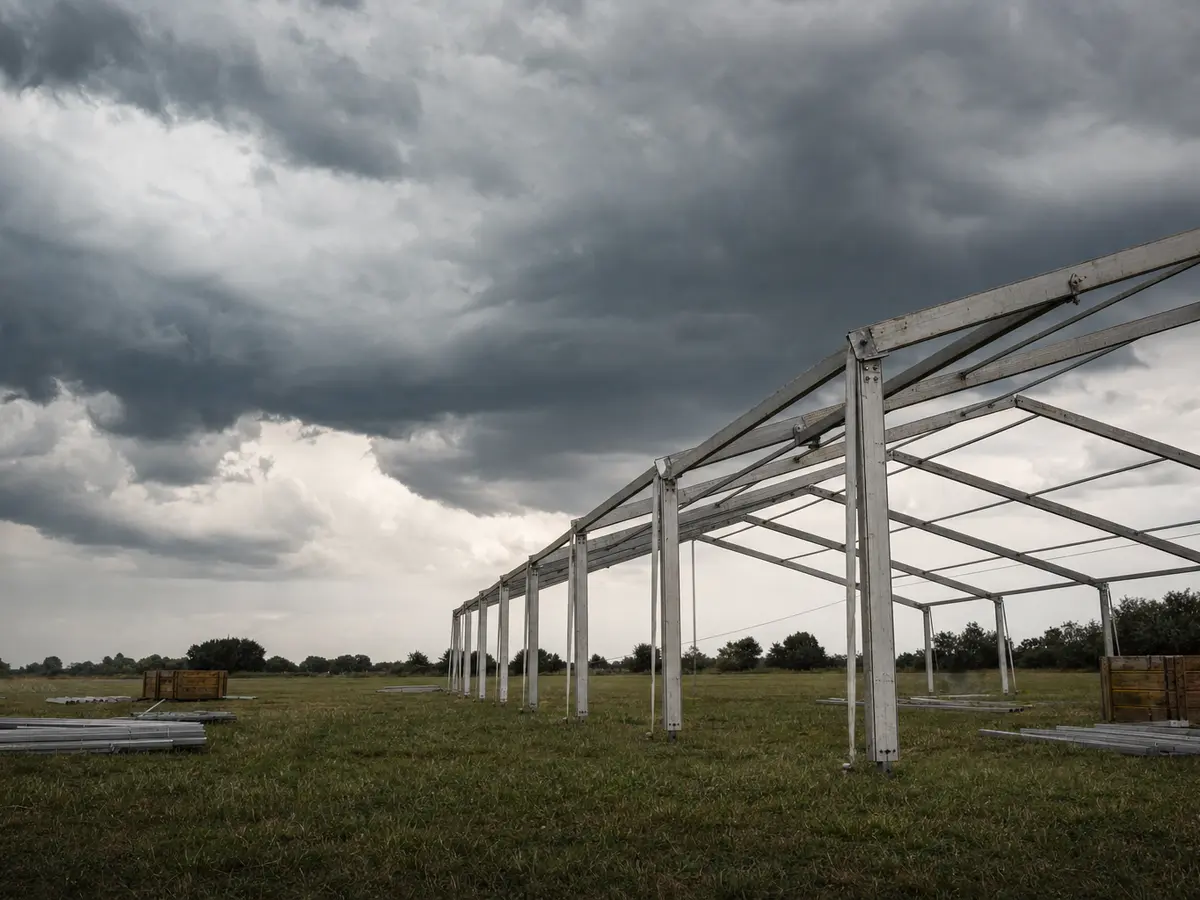
Heels sink into wet lawn, marquee poles need genuinely dry ground to stand properly, and a storm the night before can leave a garden unusable the next afternoon even once the sky has cleared. Ask what the venue does when the ground is too wet: decking, matting, or a second lawn to move to.
Insects at dusk and lighting after dark
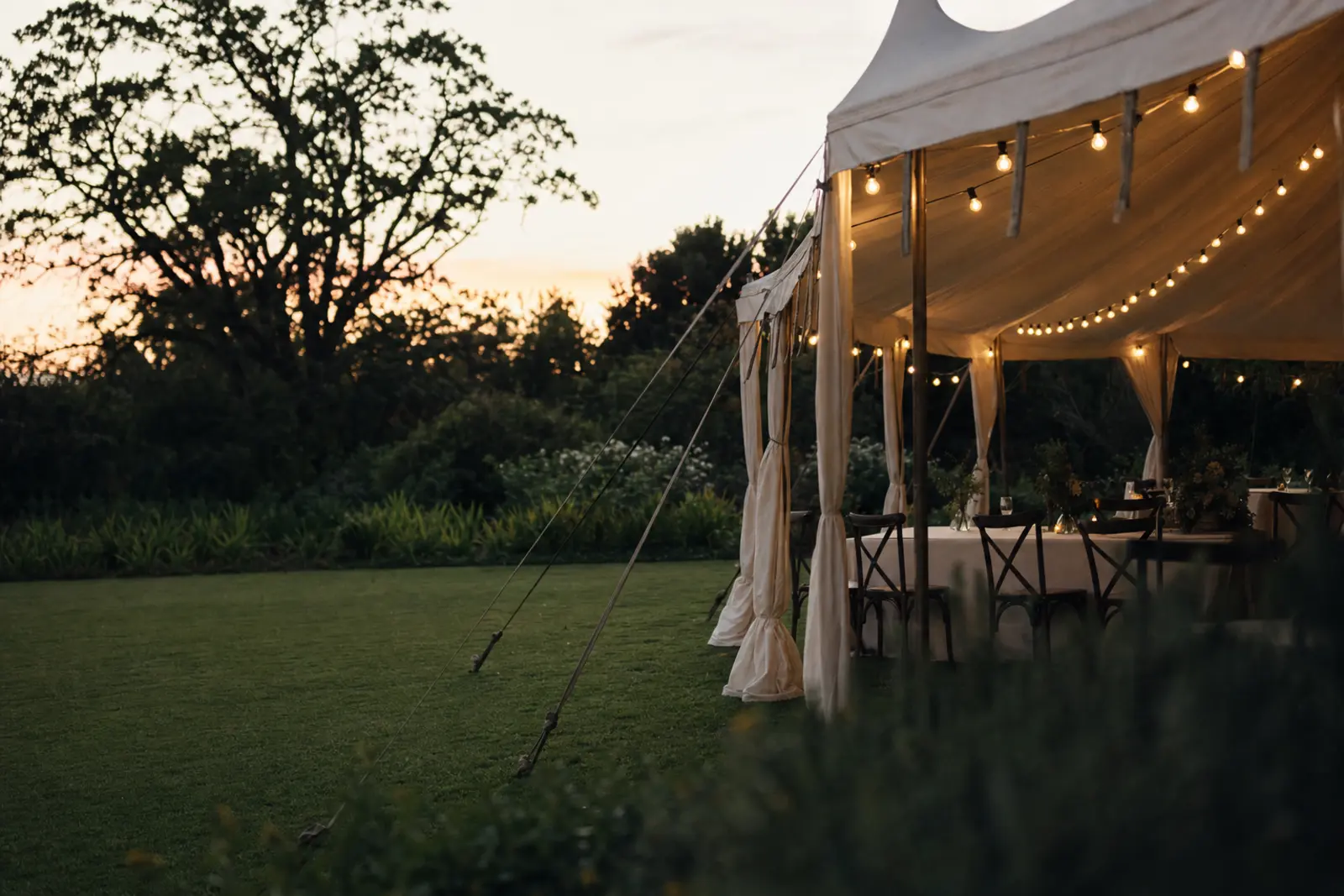
A garden reception moving from daylight into dusk needs its own lighting plan; string lights over the tables are decorative, not sufficient for guests walking across grass in the dark. Near water, or in summer humidity, insects become a real factor at exactly the hour drinks start. Ask what the venue does about both before assuming they will sort themselves out.
- See the specific garden, at the specific time of day, in the month you are booking, not a season it is not.
- Confirm where the shade falls during the ceremony hour, not only where the trees are.
- Ask to see the indoor or covered weather backup, and confirm it holds your full guest count.
- Ask what happens to the lawn after rain: decking, matting, or a second lawn to fall back on.
- Check the lighting plan for after dark, beyond the string lights over the tables.
A garden is worth the risk once the backup stops being theoretical. Book the flowers for the month you want; book the marquee for every month you might get instead.
What is the best month for a garden wedding on the Highveld?
There is a genuine trade rather than a single right answer. April to September is the dry season, giving reliable weather but a garden that is browner and barer by July. October to March is lush and green, but carries real afternoon storm risk, particularly from November to February. Decide which matters more to you, and book a proper weather backup regardless of which season you choose.
Are Cape Town garden weddings different from Johannesburg ones?
Yes, in the opposite direction. The south-easter wind runs hard from October to February, and winter rain is common from May to August. A Cape garden wedding needs a wind plan as much as a rain plan, and the same principle applies: check the actual conditions for your month rather than assuming Cape Town weather behaves like Johannesburg's in reverse.
Do we still need a tent if we book in the dry season?
Generally yes. A dry season is a pattern across many years, not a guarantee for one specific afternoon, and one bad hour on the single day you have booked is enough to matter. Keep a proper weather backup regardless of the month, and treat it as part of the venue decision rather than an optional extra.