A wedding-venue contract that looks complete on the day you sign it rarely stays that way once curfews, noise limits and the costs that appear after the deposit are added up in full, and the difference between a clear budget and a stressful one is usually how much of this was in writing from the start.
Curfews and how they are enforced
Ask the venue for its actual curfew time, not a general sense that the music has to stop at some point. Ask how it is enforced: whether staff give a warning, cut the sound directly, or whether it is left to the couple and the band to manage. Ask whether an extension is possible, what it costs, and how far in advance it needs to be arranged, since a late request on the night is a different conversation from one made when the contract is signed.
Noise limits on rural and suburban land
A rural or estate venue and a suburban or residential-area venue face different noise pressures. A property surrounded by farmland may have more flexibility on volume and time than one near residential neighbours, who can and do raise complaints that affect the venue's future bookings, not just your evening. Ask the venue plainly what has caused problems at past weddings and how it handles them, rather than assuming a beautiful outdoor setting is automatically a flexible one.
The costs that appear after the deposit
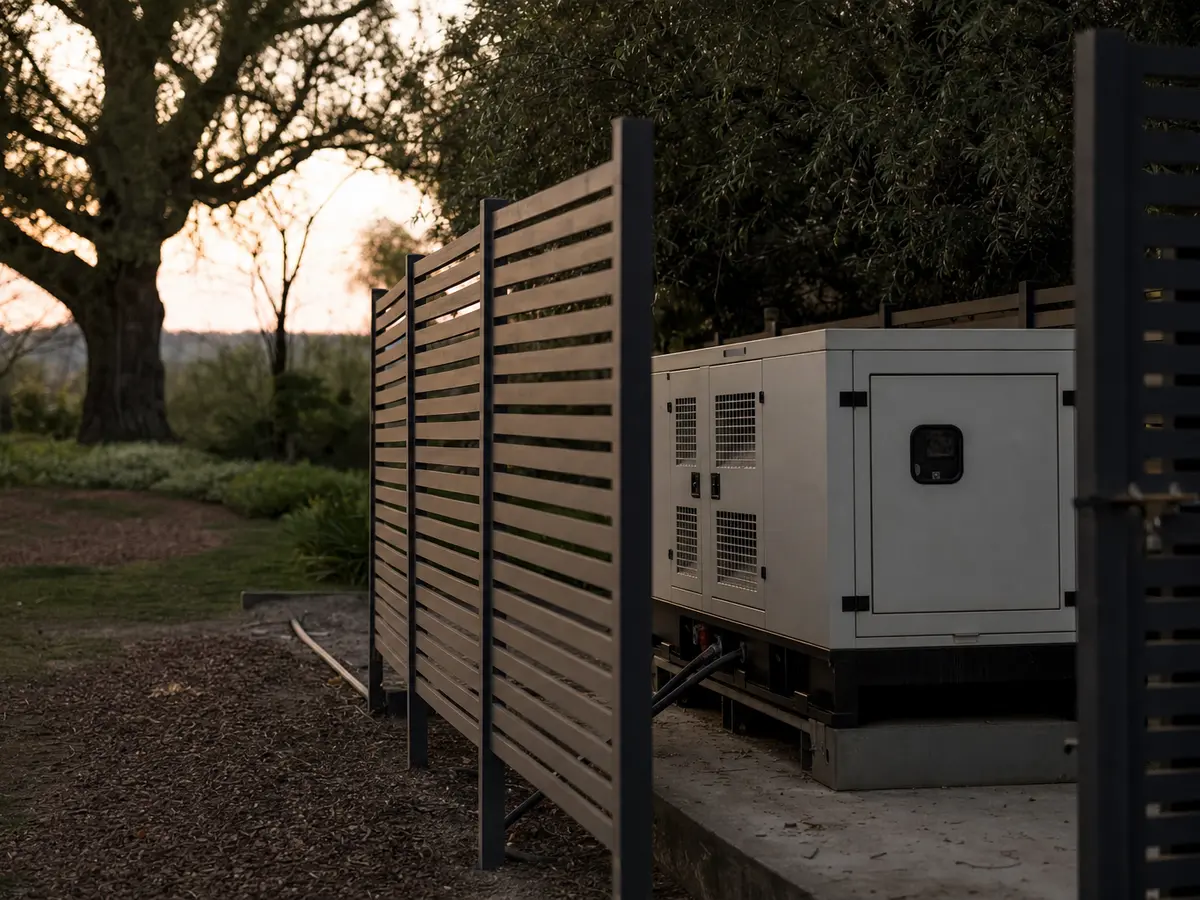
A venue's headline price rarely includes everything, and the gap between the quote and the final invoice is where budgets go wrong. Ask specifically about corkage if you are bringing your own alcohol, a cake-cutting fee if the cake is not made in-house, security costs, cleaning fees, staff overtime if the event runs past a standard finish time, generator fuel if backup power is used, and a breakages policy for anything damaged during the event.
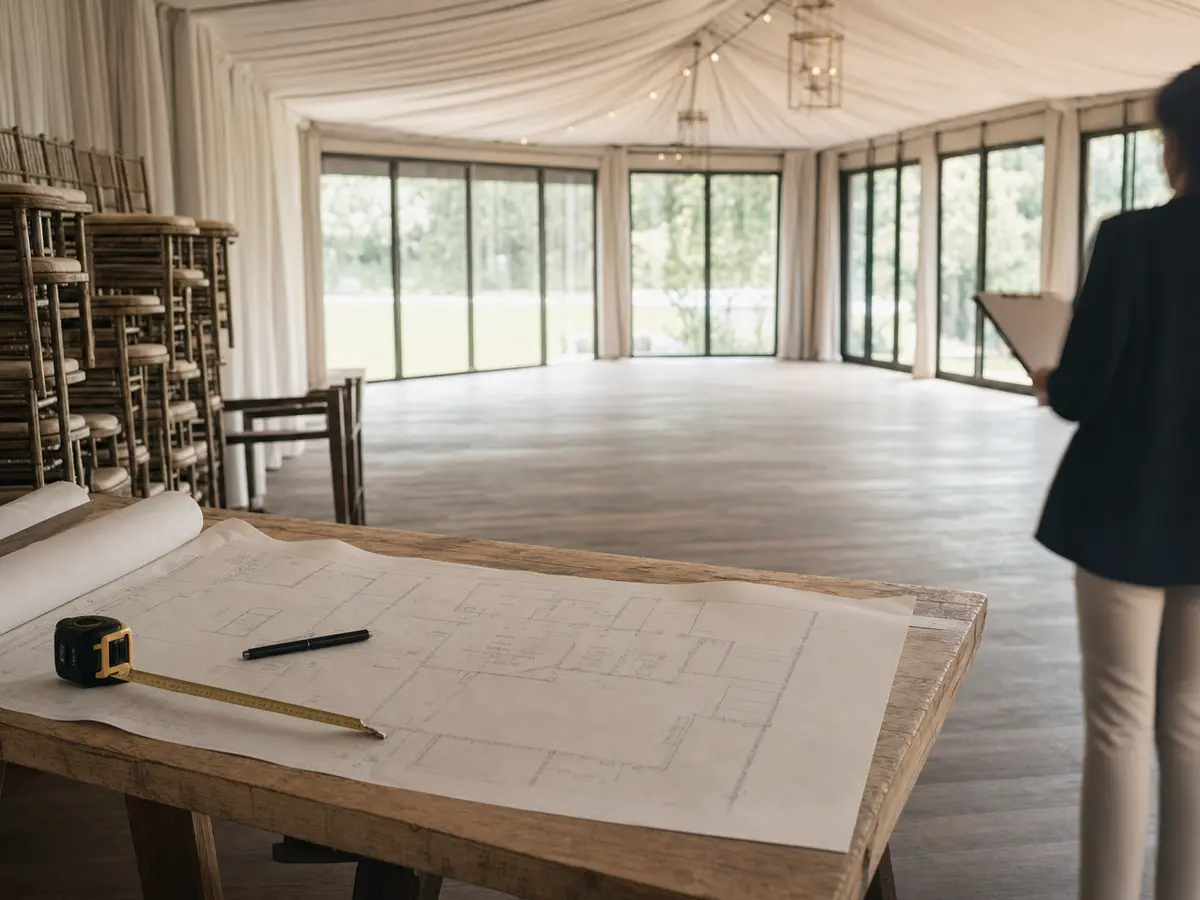
Ask, too, about the day before the wedding for set-up and the day after for collection: whether those days are included in the venue fee or charged separately, and how much notice the venue needs if a florist, decor supplier or furniture-hire company needs access the afternoon before. Confirm whether VAT and service charges are already included in every figure you have been given or added on top, since a quote that excludes both can look meaningfully cheaper than one that includes them without actually being so.
Cancellation and postponement terms
Ask what happens to the deposit and any payments made if the wedding has to be postponed or cancelled, and whether the terms differ depending on how much notice is given. Ask specifically whether a postponed date carries the same rate or a new one, since venues sometimes reprice a rebooked date at current rather than original pricing. This is a question worth asking calmly at the contract stage, well before it might ever become relevant, rather than discovering the terms only if the need arises.
- Ask for the exact curfew time and how it is enforced on the night.
- Ask what an extension costs and how far in advance it can be arranged, if available at all.
- Get corkage, cake-cutting, security, cleaning and overtime fees itemised in writing.
- Ask whether generator fuel, breakages and the day-before and day-after are included or charged separately.
- Confirm whether every quoted figure already includes VAT and service charges.
None of these questions are awkward to ask. A venue that has run enough weddings will already have the answers ready, in writing, without needing to be pressed for them.
What is the most commonly missed cost when budgeting for a venue?
Staff overtime and cleaning fees are frequently underestimated, since they only become visible once the event runs later than the standard finish time or the guest count is confirmed close to the date. Corkage is another common surprise for couples who plan to supply their own alcohol without checking the fee in advance. Ask for a full itemised list rather than a single all-in figure, and compare it against the venue's standard finish time before assuming an evening reception fits inside it.
Can we negotiate a venue's curfew or noise limit?
Sometimes, particularly at rural or estate venues with more distance from neighbours, but it depends heavily on the individual property and, in some cases, local regulations that the venue itself cannot change. Ask directly rather than assuming flexibility either way, and if a later finish matters to you, raise it before signing the contract rather than requesting it on the night, when the venue has far less reason to accommodate it.
Should we get a lawyer to look at a wedding-venue contract?
For a straightforward contract with a reasonably priced venue, most couples read it carefully themselves and query anything unclear directly with the venue. For a larger booking or a contract with unusual clauses around cancellation, liability or extensions, a brief review by someone qualified is a reasonable precaution. This article explains what questions to raise; it is general guidance rather than legal advice for your specific contract.
What happens to our deposit if we need to postpone the wedding?
This depends entirely on the individual venue's terms, so ask before signing rather than assuming a standard practice applies. Some venues transfer the deposit to a new date without penalty within a certain window; others treat a postponement similarly to a cancellation, with its own fees. Ask specifically whether a rebooked date is priced at the original rate or the venue's current rate, since the two can differ significantly if the postponement is a year or more out.