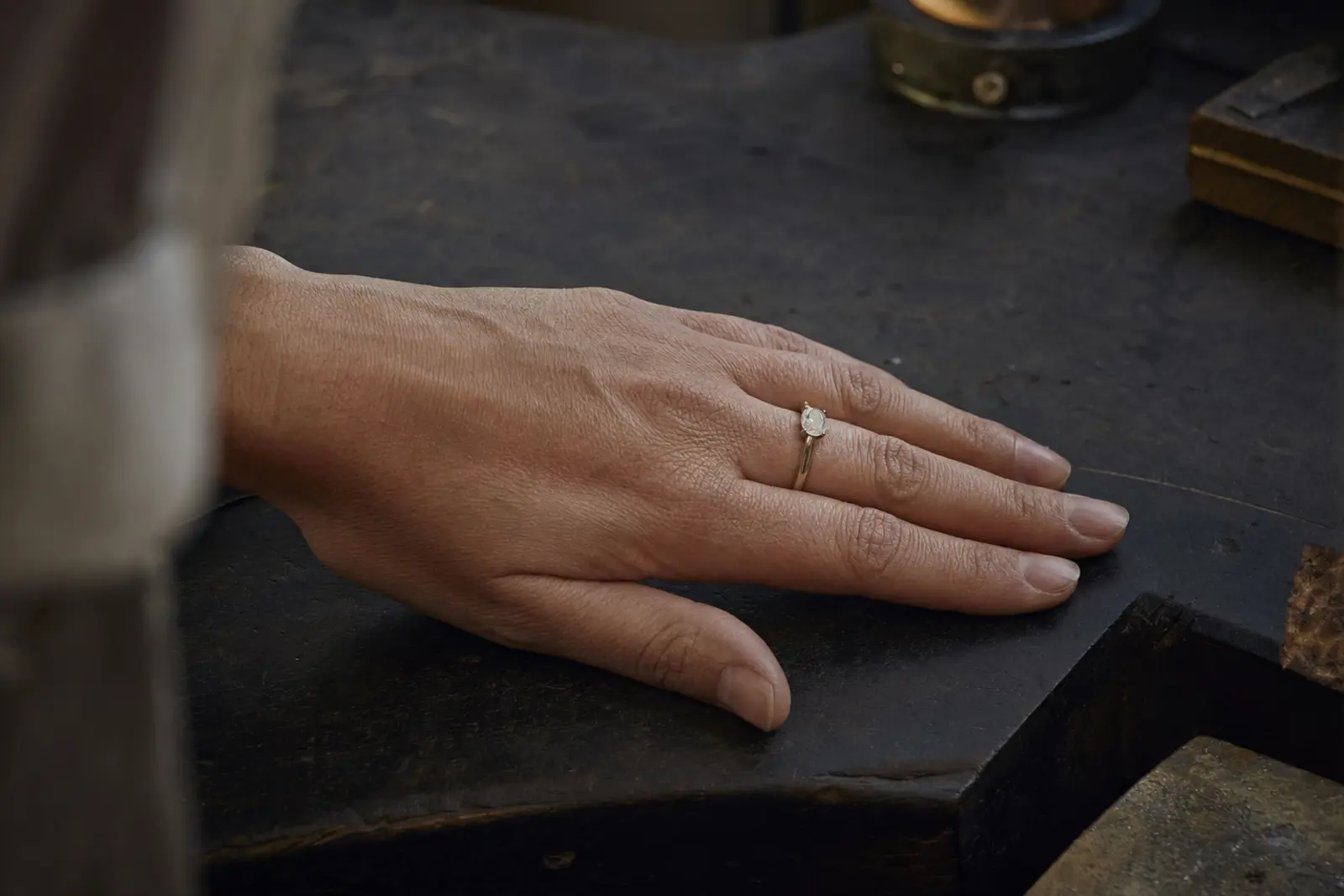
Ring proportions are not a formula. They are the relationship between four things on one particular hand: finger length, finger width, the size of the knuckle, and the spread of the stone against the width of the band, and the only honest way to judge them is on that hand, not in a catalogue.
Finger length and width
Longer, slender fingers carry more without looking heavy: a wider band, a larger halo and elongating shapes such as oval, marquise or pear all sit comfortably. Shorter or fuller fingers are more often flattered by a shape that lengthens the eye rather than widens it, and by a band that stops short of overly wide, since width tends to foreshorten a finger visually.
This is a tendency observed at the bench, not a rule. Plenty of people choose a wide statement band on a shorter finger and it works, because the point of naming the tendency is to make the choice deliberate rather than accidental.
The knuckle decides the size, not the base of the finger
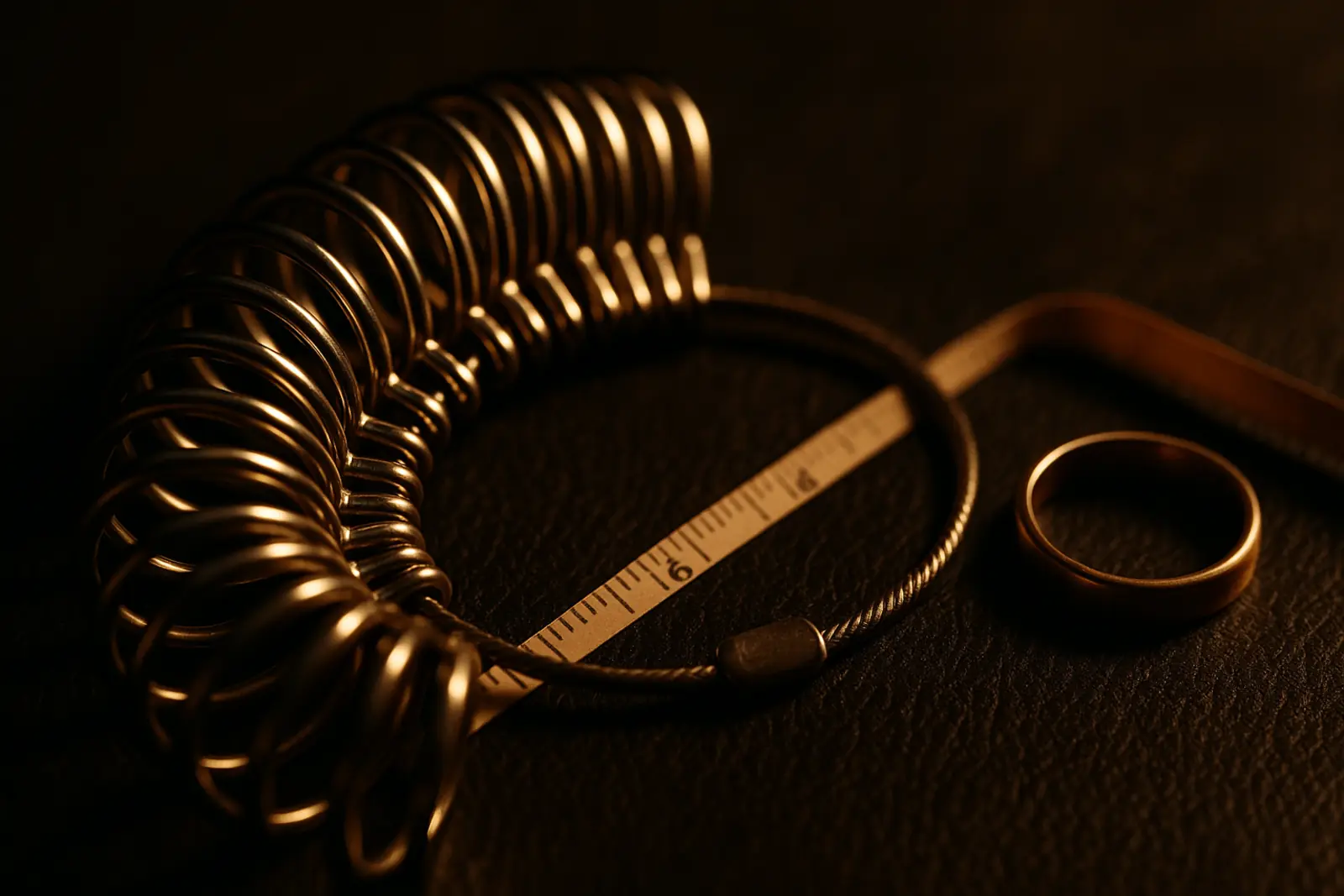
Where the knuckle is noticeably wider than the base, a ring sized to slide over it comfortably will spin loosely once it is past. There are two honest approaches: size to the knuckle and accept a little looseness at the base, which is the more common choice because it is easier to put on and take off, or size to the base and accept a snugger fit over the knuckle. Heat matters here too. A ring sized on a cool morning can feel tighter by a Johannesburg afternoon in summer, which is one reason we size and check again rather than trust a single reading.
Band width and stone spread
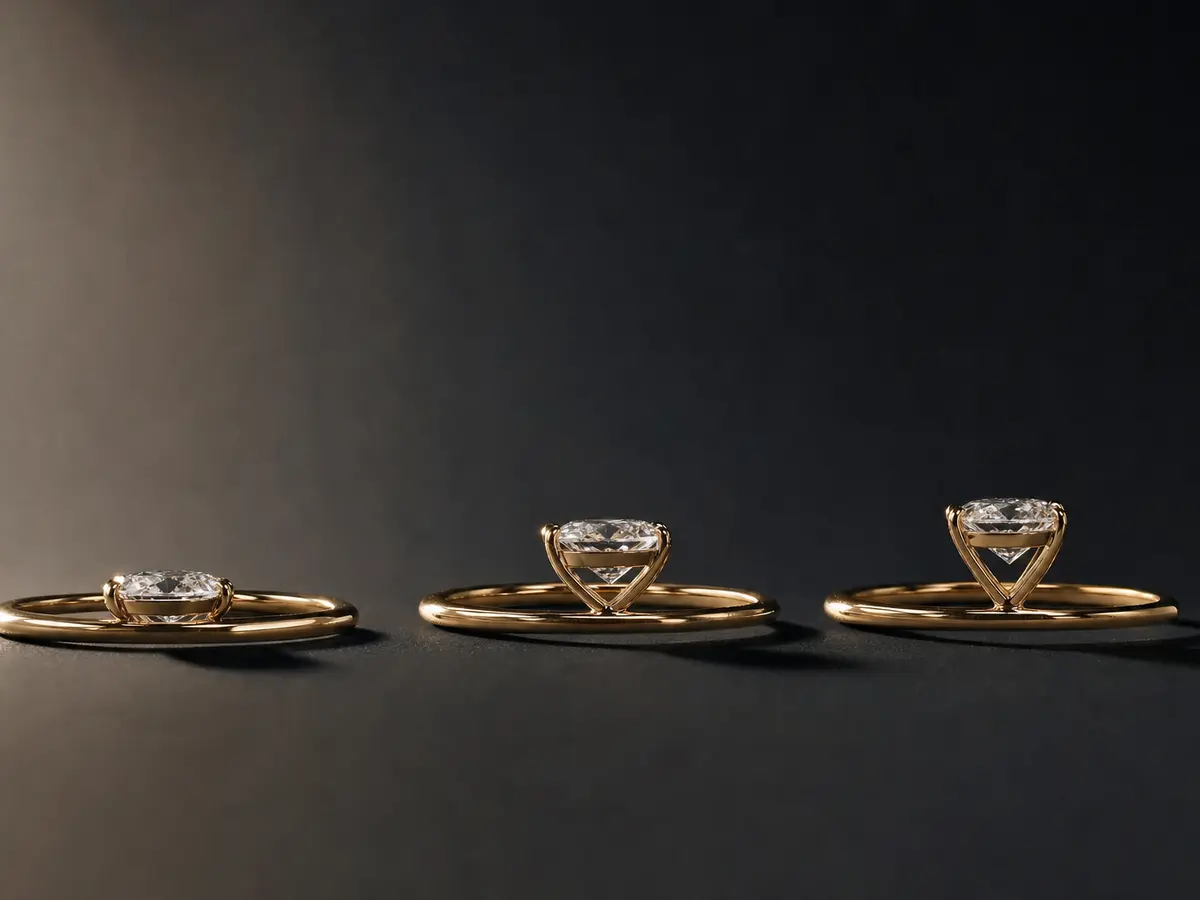
A wide band under a large stone can look heavy. A very narrow band under a large stone can look as though the stone is unsupported, and may genuinely be thinner than ideal at the shoulder for long-term security. There is a comfortable middle ground, and it depends on the stone's spread rather than its weight.
Spread, the stone's face-up diameter, is the number that actually reads on the hand, not the carat figure on a certificate. Two stones of identical weight can look meaningfully different in size if one is cut deeper than the other, which is why we start proportioning a ring from spread rather than working backwards from a target carat weight.
Stacking matters too, and it is worth deciding early whether the engagement ring will eventually sit beside a wedding band, or other rings on neighbouring fingers. A design that looks balanced alone can crowd once a second band sits beside it, particularly on a narrower finger, so it is worth picturing the pair rather than the single ring when choosing width.
How the shape changes the arithmetic
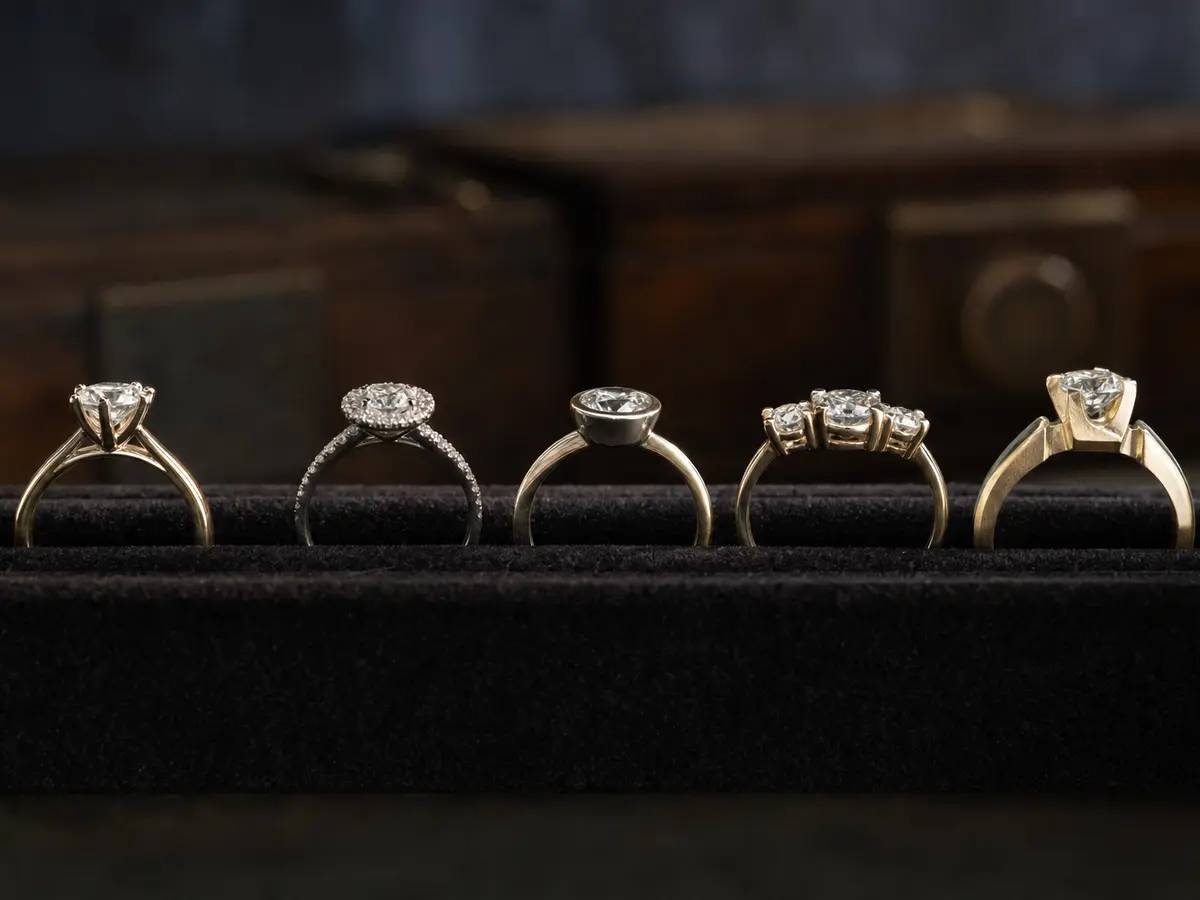
- Round and cushion shapes read as the most compact per carat, sitting closer to the finger's own width.
- Oval, marquise and pear shapes elongate the finger and can make a stone look larger than its weight for exactly that reason.
- Emerald and Asscher cuts show more of their spread openly, which also shows any inclusion more readily, worth weighing against clarity.
- A cluster or halo borrows spread from the stones around it, a useful route to visible size without paying for a larger single centre stone.
Try the actual scale on the actual hand before deciding anything else. Every other opinion is a guess dressed up as taste.
Does a bigger stone always need a wider band?
No. A wider band can support a larger stone structurally, but it is a stylistic choice rather than a requirement. Plenty of substantial stones sit beautifully on a fine band, and the decision comes down to how much presence the band itself should have alongside the stone, which is worth trying both ways on wax before committing either way.
Can proportions be adjusted once the ring is made?
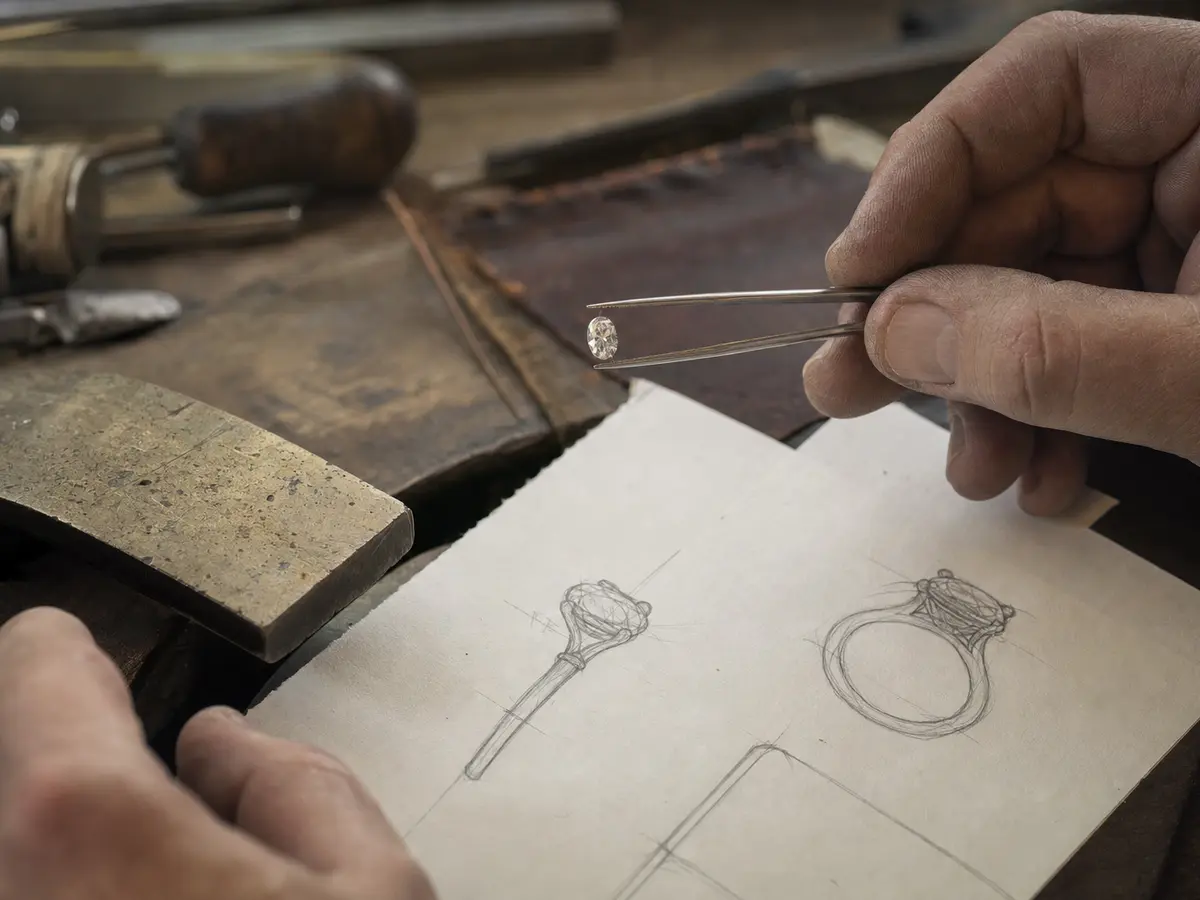
Band width is largely fixed once a ring is cast, because it is part of the shank itself rather than an add-on. Minor adjustments are straightforward during the wax fitting stage, before anything is cast, which is exactly why we build a wax model on the finger first. After casting, widening a band significantly usually means remaking it rather than adjusting it.