There is no single correct sentence for a proposal, but there is a shape that works far more often than luck would explain, and it has very little to do with poetry. Say her name, say one true thing, say what you want, and ask the actual question.
A structure, not a script
The proposals that land well tend to follow the same rough shape without anyone having taught it to them. They open with her name, because it pulls her attention and steadies the speaker at the same time. They include one specific, true thing, not a general list of virtues but a particular memory or a particular reason this person and no other. They state plainly what you want, and then they ask the literal question. Anything more elaborate than that is decoration, and decoration is optional.
Shorter than you think
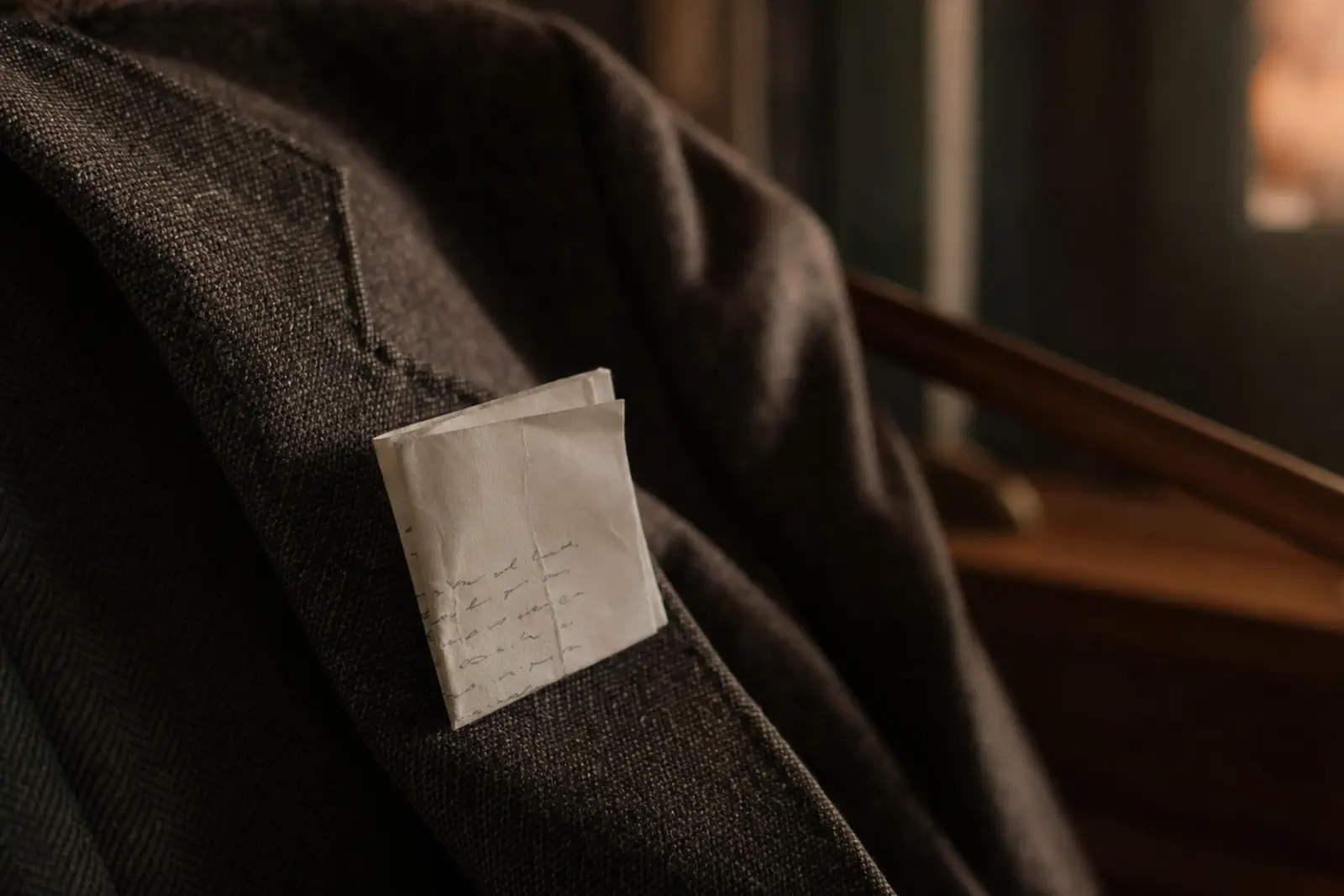
Nerves make people either freeze completely or talk for far longer than they meant to, filling the silence with everything they can remember. Two or three honest sentences are usually plenty. If there is a great deal you want to say about the relationship, a letter given afterwards holds it far better than a speech does under pressure, and it can be read again later, which a spoken paragraph cannot.
- Say her name to steady both of you and to make clear this is not a general remark.
- Say one specific, true thing: a memory, a habit you love, a moment that made the decision obvious.
- Say plainly what you want: to marry her, to spend the rest of your life with her, in your own words.
- Ask the actual question. Not a version of it. The words "will you marry me" or your own equivalent, said clearly.
In your own words, not borrowed ones
Lines lifted from a film or a website tend to sound exactly like what they are, particularly to the one person in the room who knows you best. A plain sentence that sounds like something you would actually say is worth more than a polished one that does not. If writing does not come naturally, say it the way you would say something important to her on any ordinary evening, only slower.
What tends to go wrong
- Talking for so long, out of nerves, that the actual question gets buried near the end and she has to ask if that was it.
- Undercutting the moment with jokes right up until the question, so she is genuinely unsure whether it is serious.
- Asking a soft version of the question, such as a comment about the future, rather than the direct question itself.
- Reciting something memorised word for word, which tends to sound recited rather than felt.
Kneeling, and proposing in a second language
Kneeling is a widely recognised convention, not a requirement, and plenty of proposals work perfectly well without it, particularly where it is not the custom either of you grew up with or where it would simply feel odd for the two of you. A specific, genuine sentence said standing matters more than a pose. If you are proposing in a second language, choose the shorter, simpler version of what you want to say rather than an ambitious one, and it is fine to have quietly rehearsed the exact phrase once beforehand so it comes out clearly under pressure.
Whatever you decide to say, decide it in advance rather than trusting the moment to write it for you. The moment will supply the nerves. The words are your job.
Should I write out and memorise a speech word for word?
A rough shape is more reliable than a memorised script, because nerves tend to erase memorised lines at exactly the wrong moment. Know the four or five things you want to land, her name, one true reason, what you want, and the question, and let the exact phrasing happen in the moment. If you want the fuller version of what you feel written out properly, save it for a letter given afterwards rather than trying to recite it live.
Is it bad if I forget part of what I planned to say?
No. Almost nobody remembers a proposal for its wording, they remember whether it felt genuine and whether the actual question was asked clearly. If you lose the thread, pause, say her name again, and ask the question. A slightly imperfect but honest delivery reads far better afterwards than a fluent one that felt rehearsed.