A proposal photographer is worth choosing carefully because the entire job happens in about thirty seconds and cannot be reshot, so the right one is judged less on the polish of their portfolio than on how well they work from a distance without being noticed.
What a proposal photographer actually does
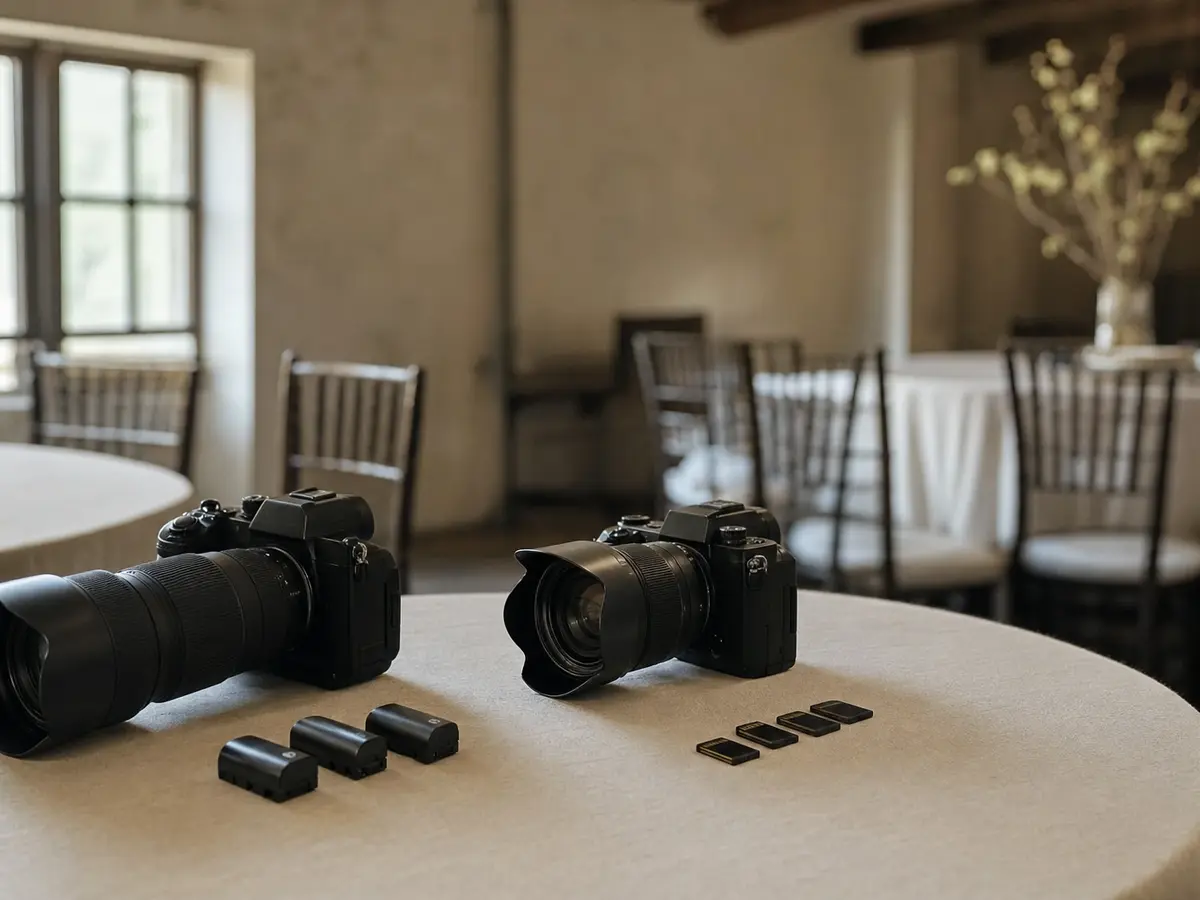
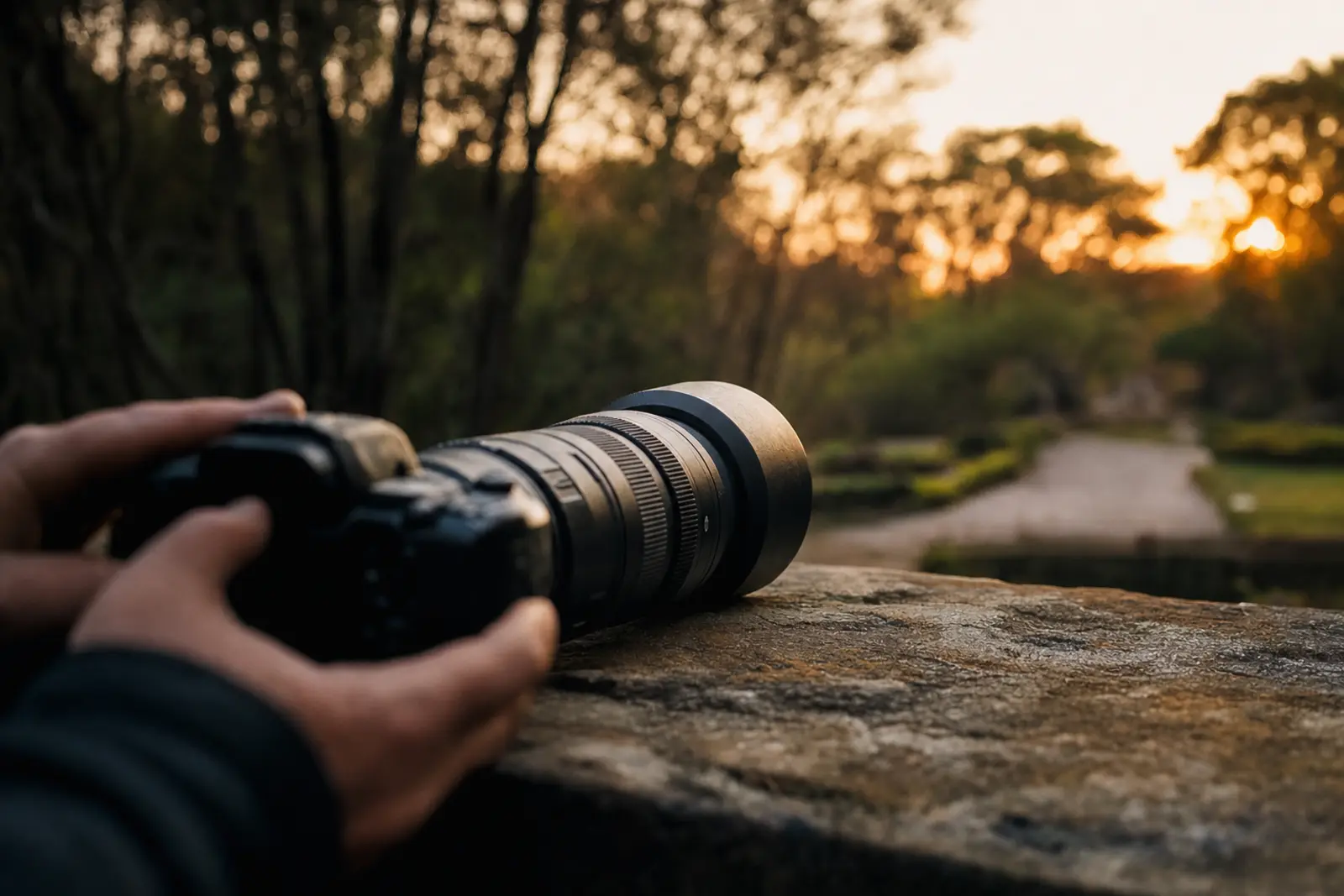
Unlike most photography bookings, a proposal photographer spends most of the assignment waiting. They arrive early, find a position with a clean sightline and a long lens, and stay there, often for far longer than the moment itself takes, in case the timing shifts. A good one has a plan for where to hide in the specific setting you have chosen, not a generic answer, and a plan for low light if the moment happens at dusk or indoors. Afterwards they hand over a small, tightly edited set rather than hundreds of near-identical frames.
Do you actually need one
Only if the two of you would want the moment photographed at all, which is a genuine question and not everyone's answer is yes. Some couples would rather the memory stay unrecorded, or captured only in the minute or two afterwards on a phone. If you do want it documented, weigh a professional against a well-briefed friend with a decent camera: a friend is cheaper and already knows how to stay hidden in a familiar setting, but a professional has the equipment and experience to work in low light or from further away without the shot looking obviously staged.
Judging a portfolio and references without a directory
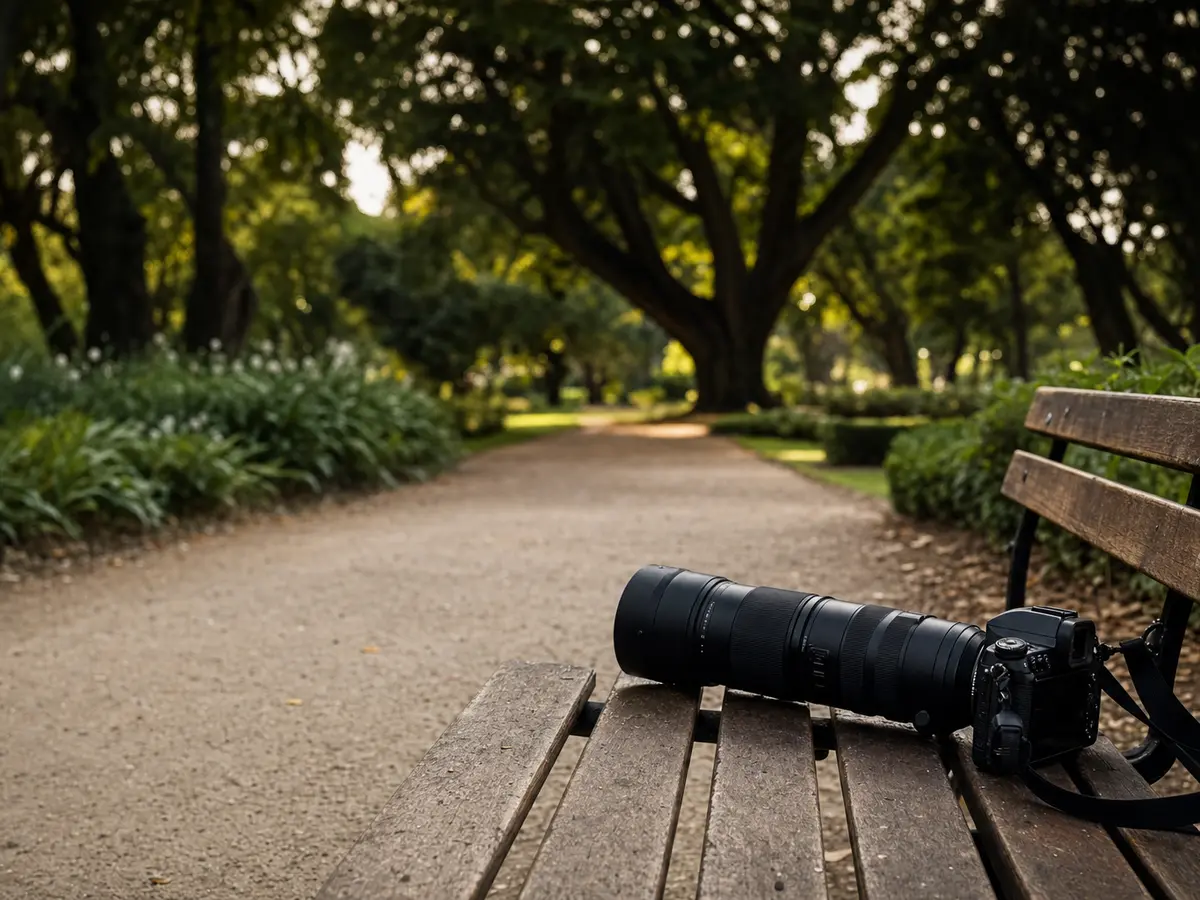
A proposal photographer's portfolio should show real proposals shot from a distance, not staged engagement shoots where the couple is looking at the camera. Ask specifically for examples shot with a long lens from concealment, since that is a different skill from studio or wedding-day work. Ask how many proposals, not weddings, they have covered, and ask what they do if the couple moves somewhere unexpected at the last second. A photographer with a calm, specific answer to that has done this before.
- How many proposals, specifically, have you photographed, and can I see examples shot from a distance?
- Where will you position yourself at this exact location, and how will you stay out of sight?
- What is your plan if the moment happens somewhere different to what we discussed?
- How quickly will I have the edited photographs, and how many will I actually receive?
- What is the deposit, and what happens to it if we postpone because of weather?
- How do we brief you without my partner finding out: WhatsApp, a separate call, or in person beforehand?
What goes wrong
The most common problem is being seen. A photographer standing too close, moving at the wrong moment, or dressed in a way that draws attention from the person being proposed to, or from security at a public venue, is the single biggest way a proposal photograph goes wrong before it is even taken. The second problem is technical: low light at dusk defeating a camera that was not set up for it, or a long lens that cannot get close enough for a clean shot from where they are hiding. Both are avoidable with a photographer who has scouted the actual location beforehand rather than turning up cold.
Keeping them invisible on the day
Send the photographer to the location ahead of time, or at least send them photographs and a description of exactly where you plan to stand. Agree a signal for when to start shooting that does not involve them approaching you. If the setting is a public garden or a busy public place, brief them on how they will explain themselves if someone asks what they are doing there. The two of you should be able to forget they are there entirely, and if you cannot, they are standing in the wrong spot.
A good proposal photograph looks like nobody was watching. That is the entire brief, and it is worth choosing someone who understands it before you choose someone with the nicest website.
Should the photographer be different from our wedding photographer?
Not necessarily. Some wedding photographers happily take on proposal work as a separate, smaller booking, and using someone you already trust can be simpler than finding someone new. What matters is whether they specifically have experience shooting from a distance and staying hidden, which is a different skill from wedding-day coverage. Ask the question directly rather than assuming it transfers automatically, and ask to see proposal work specifically, not just their wedding portfolio.
What if it is too dark for good photographs?
Tell the photographer the likely time of day as early as possible so they can plan for it, since dusk and indoor proposals need different equipment to a bright afternoon. A photographer who has not asked about lighting before the day is a warning sign. If the light genuinely will not work, a short, natural sequence taken on a phone immediately afterwards is a reasonable fallback and often feels more honest than a staged reshoot.
Can we ask the photographer to stay completely out of sight?
Yes, and it is a reasonable brief to give. Most experienced proposal photographers will ask for this themselves: they want a genuine reaction, not a posed one, which only happens if neither of you knows exactly where they are standing. Confirm beforehand roughly how far back they will be and what lens they are using, since a longer lens lets them work from further away without losing the shot.