Losing or damaging a ring is disorientating enough that most people either panic-search or freeze, and the steps that actually help are calmer and more ordinary than either instinct suggests.
The first hour
- Stop, and picture the last specific moment you remember wearing or holding it.
- Retrace the hours since then in order: each room, each bag, each pocket, the car.
- Check drains, bins and anything vacuumed that day before it is emptied or collected.
- Ask anyone who was with you, plainly and without assuming blame.
- Once the obvious places are exhausted, treat it as lost or stolen and move on to reporting it.
The ordinary hiding places
A ring slips off most easily around water, so a plug or a strainer in every sink is worth having as a standing habit, not just after something has gone missing. If a vacuum has run since the ring was last seen, check the bag or canister before it is emptied. The same goes for pockets sent to the wash, car seats and footwells, all places a small object goes to hide rather than disappear.
Reporting a theft
Where theft rather than simple loss is suspected, general practice is to report it to the police and obtain a case number, which most insurers ask for as part of a claim. Exactly how that process works, and what it requires of you, varies by station and by circumstance, so this is described only in general terms here.
The insurer's steps
Report the loss or theft to your insurer promptly, and be ready with the valuation, a case number if one applies, and a plain account of the circumstances. What happens next, timelines, further documentation, how a claim is assessed, varies by insurer and by policy, which is exactly why direct contact with your own broker matters more than general advice at this stage.
The valuation and photographs
This is the exact moment a current valuation and a set of photographs earn their keep. Without them, a claim moves more slowly and a settlement is harder to argue for. It is also the point at which anyone who has been putting off an update, described elsewhere in this Journal, tends to wish they had not.
What a jeweller can rebuild from records
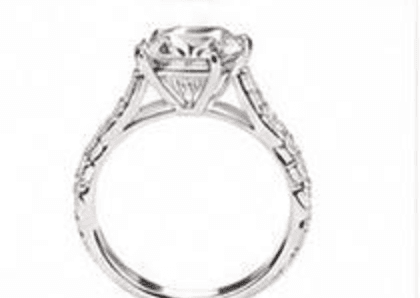
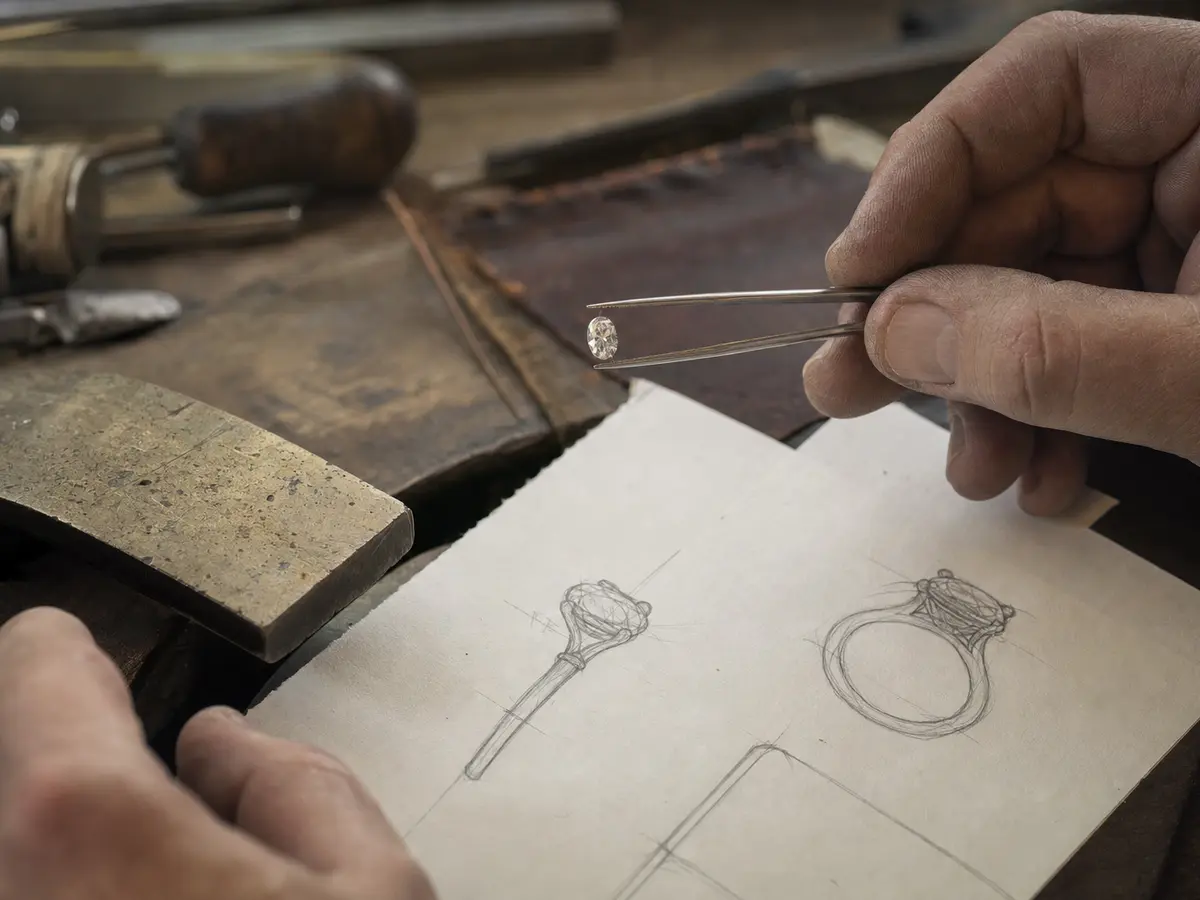
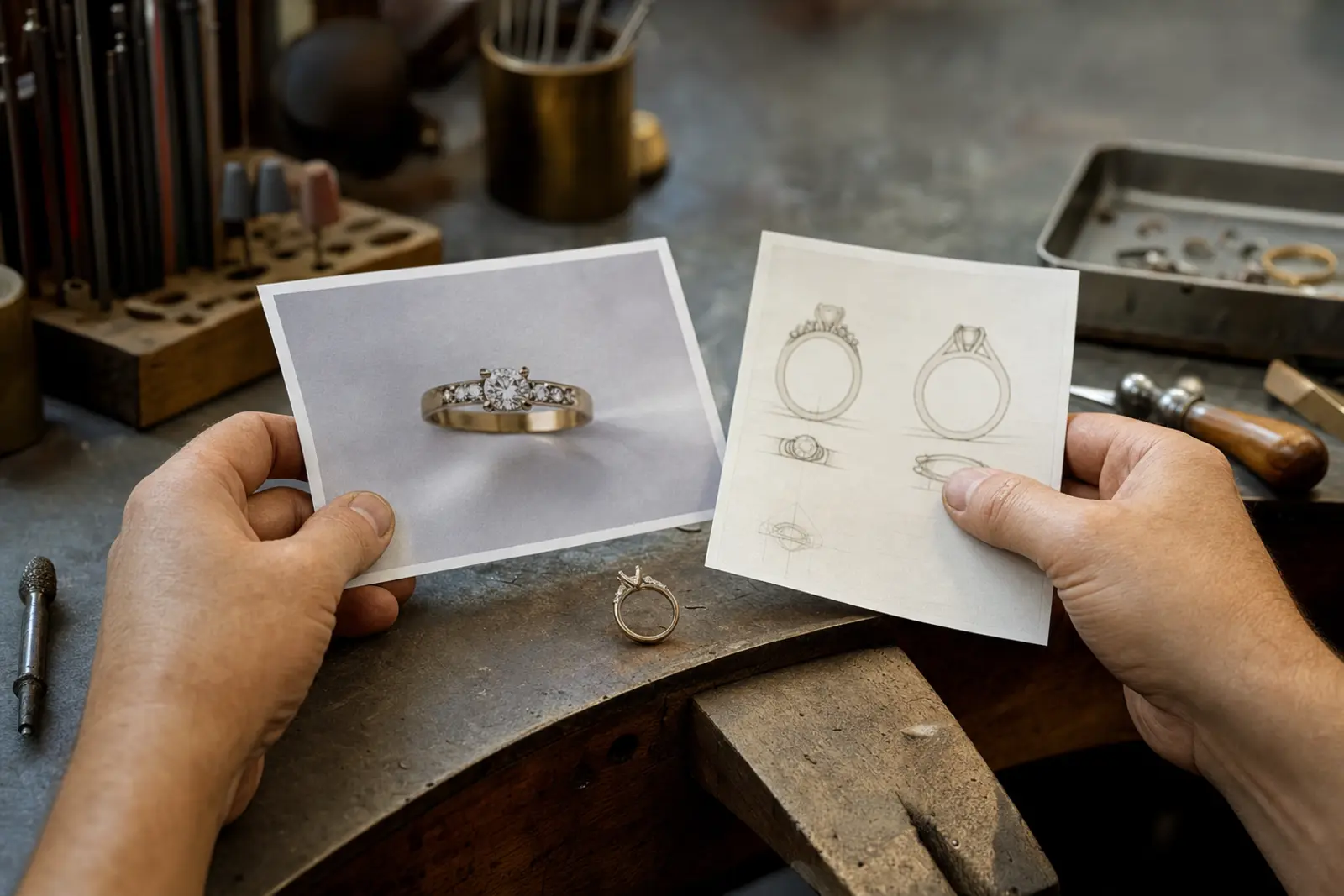
Given the original specifications, stone weights and photographs, a jeweller can remake a lost piece closely, and in some cases precisely. Without that documentation, a remake becomes a reconstruction built from memory and description, which is a slower process and rarely produces an identical result. It is one more reason the paperwork matters as much as the piece.
The emotional side, handled plainly
A ring with any history behind it is not just an object, and losing or damaging one is genuinely upsetting whatever the circumstances. That is a normal reaction, not an overreaction, and it is worth acknowledging before moving straight into the practical steps above. The practical steps do not make the feeling disappear; they simply give you something useful to do with it.
Replacement versus remake
Once a claim is settled, a policy typically allows either a straightforward replacement, a comparable piece bought new, or working with a jeweller to remake something closer to the original. Which options your policy actually supports is worth confirming with your insurer before you decide, rather than assuming either route is automatically available.
Most of what happens next is paperwork. The finding, or the accepting that something will not be found, is the part that takes longer.
Should I report a lost ring to the police, or only a stolen one?
A straightforward loss, a ring that has fallen down a drain, for instance, does not usually need a police report, while a suspected theft generally does, since insurers typically ask for a case number as part of a theft claim. If you genuinely are not sure which it was, report it and let the record note the circumstances as you understand them rather than guessing which category applies.
Can Gavin remake a ring exactly if it cannot be found?
With good records, his own original specifications, or a detailed valuation, the result can be very close, sometimes exact. Without them, it becomes a description-led remake based on memory and photographs, which is a slower and less certain process. Either way, bring whatever documentation exists, even if it feels incomplete.