A secular wedding has no religious content by design, which sounds straightforward until you realise how much of a typical wedding, from the word ceremony itself to the running order, borrowed something from religious practice in the first place.
The marriage officer or celebrant
A secular wedding is still conducted by someone: a marriage officer if you want the ceremony itself to complete the legal registration, or a celebrant if you are having a separate legal signing and want the ceremony to be a standalone event. Book this person early, and ask directly what they can and cannot do so you know which category you are working with before you plan the rest of the day around them.
Writing the ceremony yourselves
Without a religious script to follow, a secular ceremony is written by the couple, often with the officiant's help, from readings and vows to the order the moments happen in. This is more work than most couples expect, and it is worth starting the drafting well before the final weeks, since finding the right readings and getting comfortable with your own vows both take longer than people plan for.
Explaining the choice to family who expected a religious ceremony
If either family assumed there would be a religious ceremony, a secular wedding can be a conversation worth having directly and early rather than a surprise on the day. You do not need to justify the decision at length, but a straightforward explanation, offered before the invitations go out, tends to land better than one offered defensively after questions start.
Venue freedom, and the legal step that still applies
With no religious requirement attached to the ceremony, the venue can be almost anywhere the two of you want it to be. What does not change is the legal side: a secular ceremony still needs to be registered as a marriage through the proper process, and the requirements for that change from time to time, so confirm the current position with Home Affairs or your marriage officer rather than assuming it is automatic.
Witnesses and the practical shape of the day
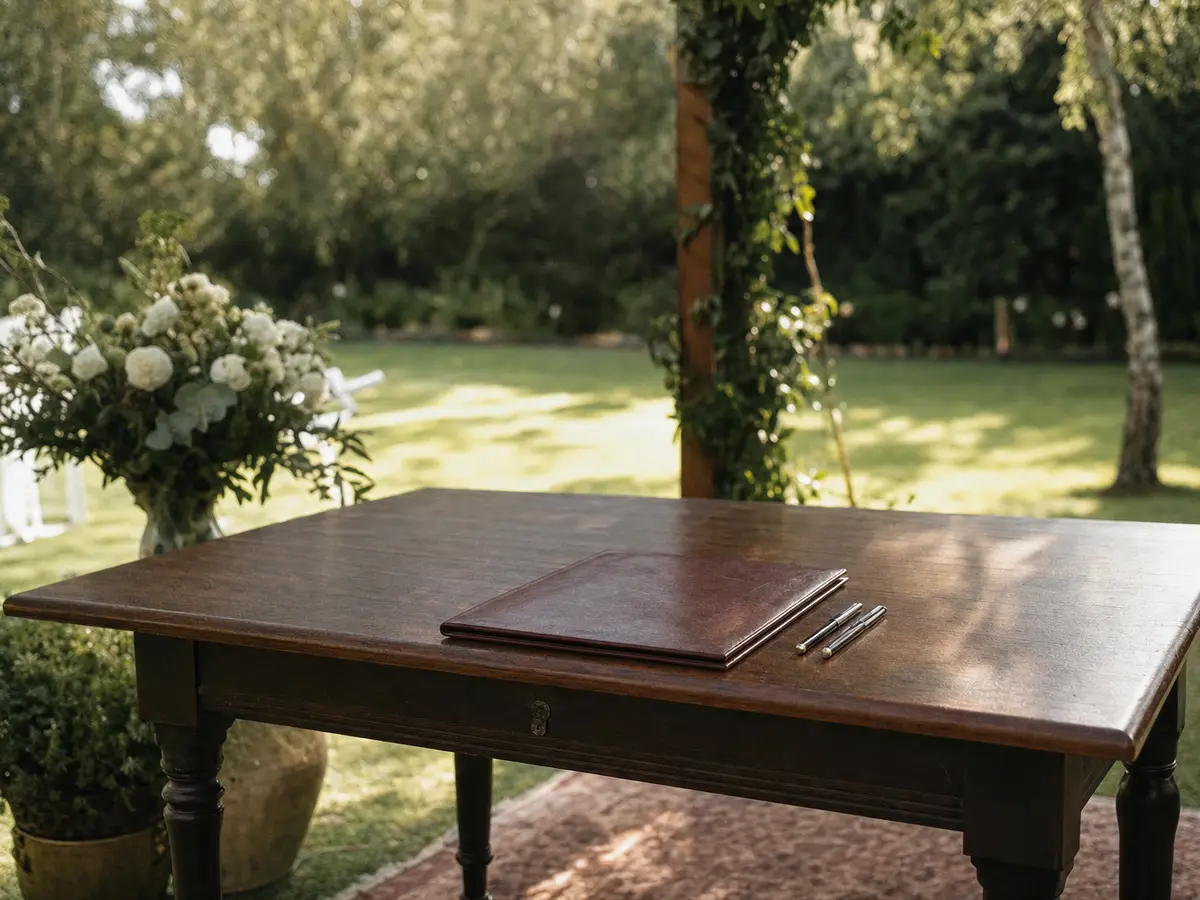
A secular ceremony still needs witnesses if it is also completing the legal registration, so confirm how many your marriage officer requires and who those will be well ahead of the day. Without a religious running order to fall back on, walk through the sequence of the ceremony with your officiant in advance, including who speaks when, so the day feels considered rather than improvised.
- Which marriage officer or celebrant will conduct the ceremony, booked well ahead
- Who is writing the ceremony script, readings and vows
- How to explain the choice to family who expected a religious ceremony
- The venue, chosen freely since there is no religious requirement attached to it
- Legal registration of the marriage, confirmed with Home Affairs regardless of the ceremony's content
Secular does not mean unstructured. It means the structure is yours to choose, which is either the easiest or the hardest part of the whole day, depending on how the two of you feel about a blank page.
Can a secular ceremony still feel meaningful?
Most people planning one find that it does, precisely because every element is chosen rather than inherited, so nothing in the ceremony is there out of habit. It takes more effort to build than following an existing template, but couples who write their own vows and choose their own readings often describe the result as feeling more personal, not less, than a ceremony they did not have a hand in writing.
Do we still need to register the marriage legally?
Yes. A secular ceremony has no bearing on whether the marriage is legally registered, and that step needs to be arranged and completed through the proper process regardless of what the ceremony itself looks like. Confirm the current requirements with Home Affairs or with the marriage officer conducting your ceremony, since the process and its administration change and should not be assumed from a previous wedding you attended.