The most expensive ring we have ever remade was one that lived in a drawer. It was beautiful and it caught on everything its owner did, so she stopped wearing it. Nothing about a ring matters if it does not go on in the morning.
Start with her hands, not the stone
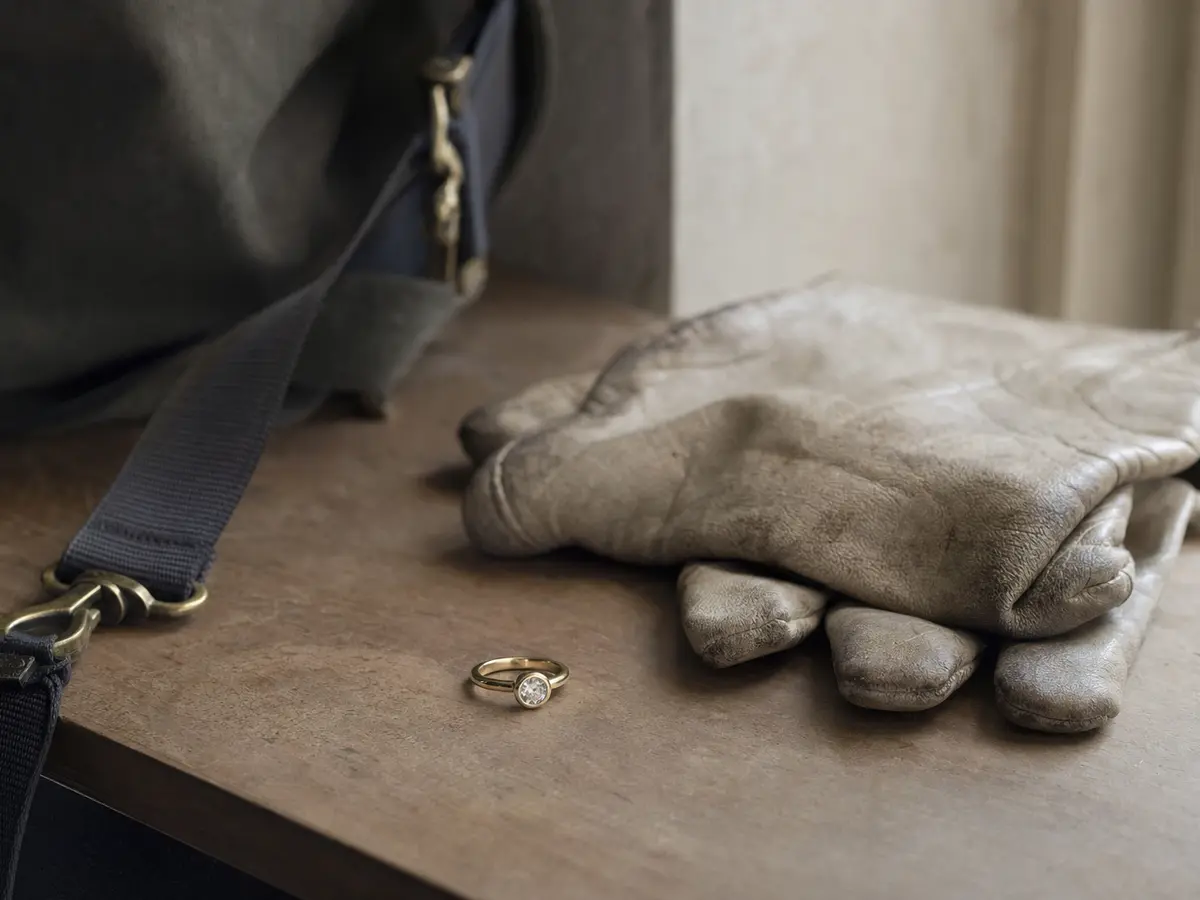
Watch what her hands actually do. A surgeon, a potter, a rock climber, someone with small children, someone who rides. Each of those pushes the design in a specific direction. So does something as ordinary as pulling on gloves, or hair that gets caught in a high setting every morning.
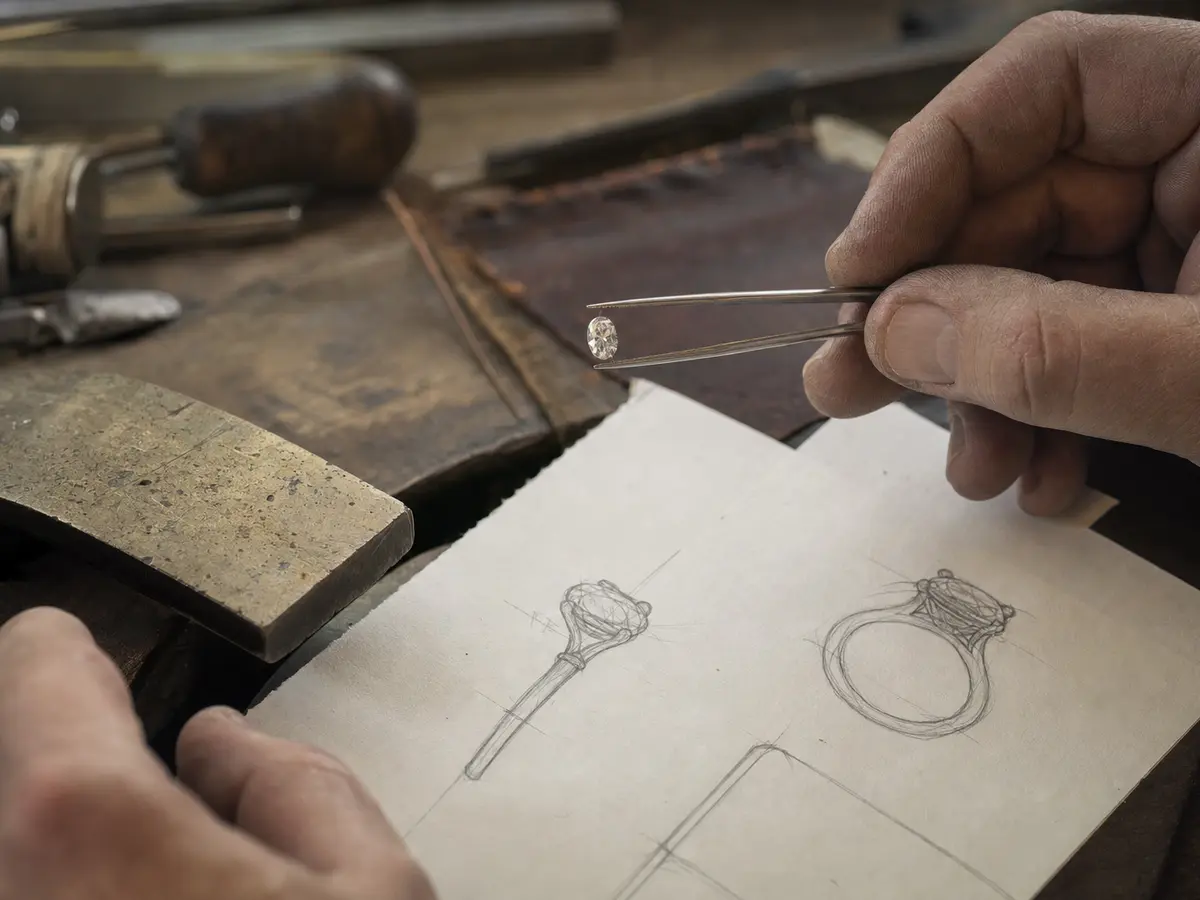
This is the single most useful thing you can bring to a first consultation, and it costs nothing. Come with a sentence about how she spends her days.
Profile height is the decision
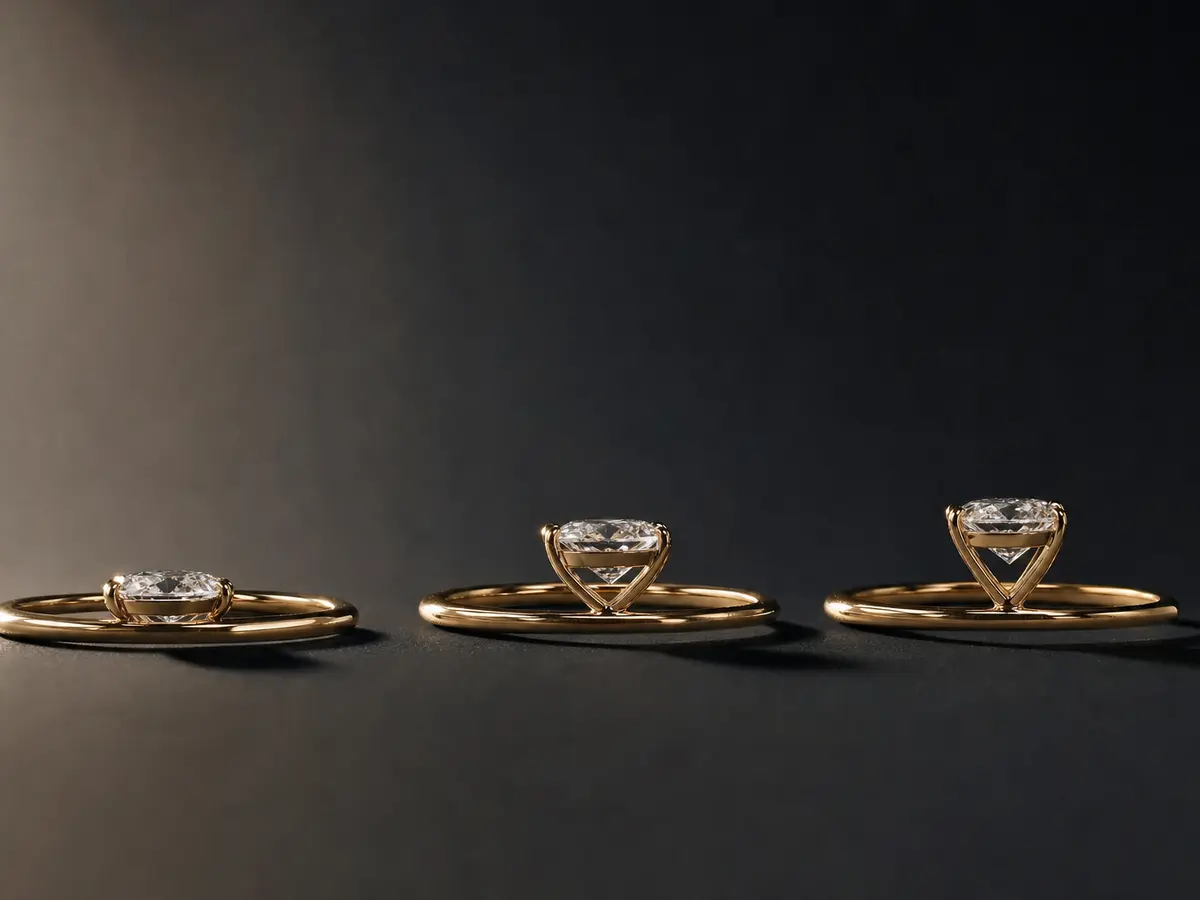
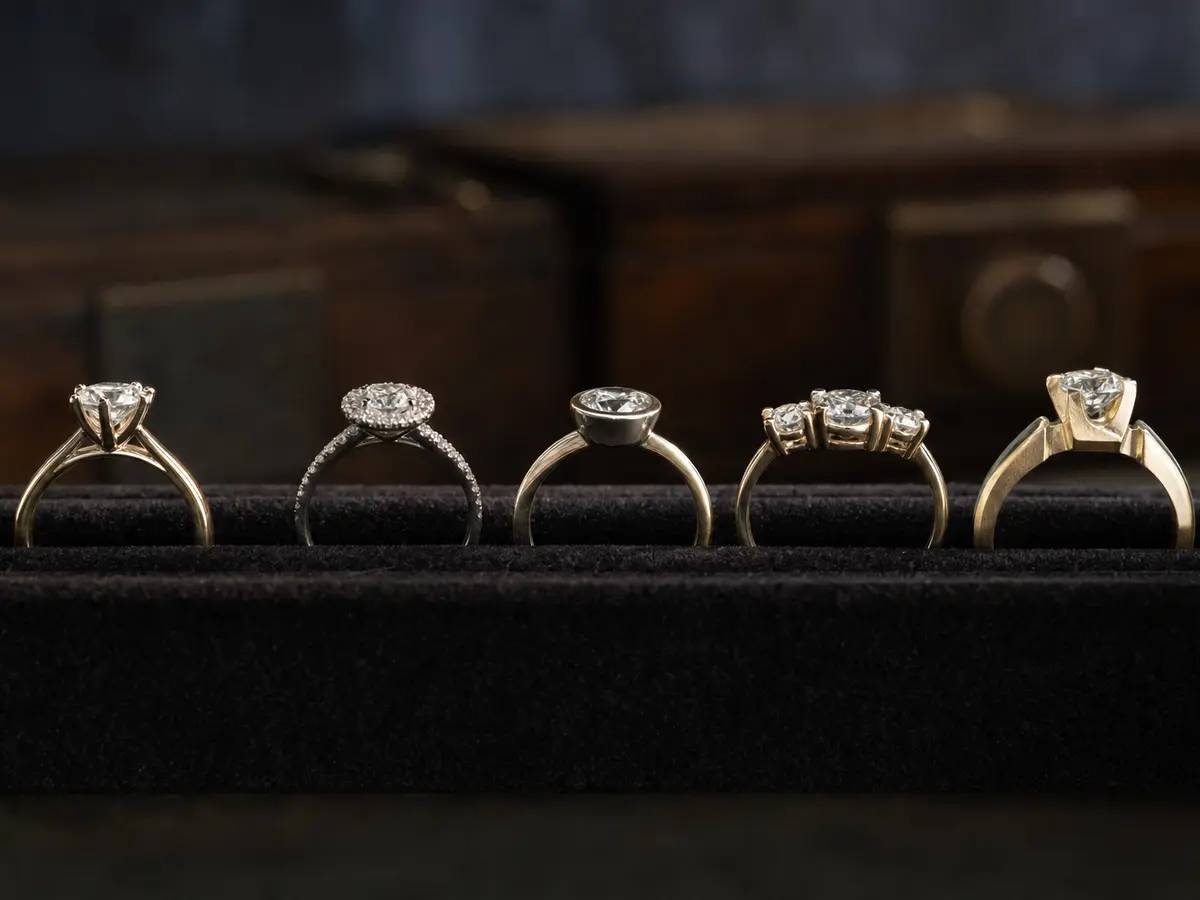
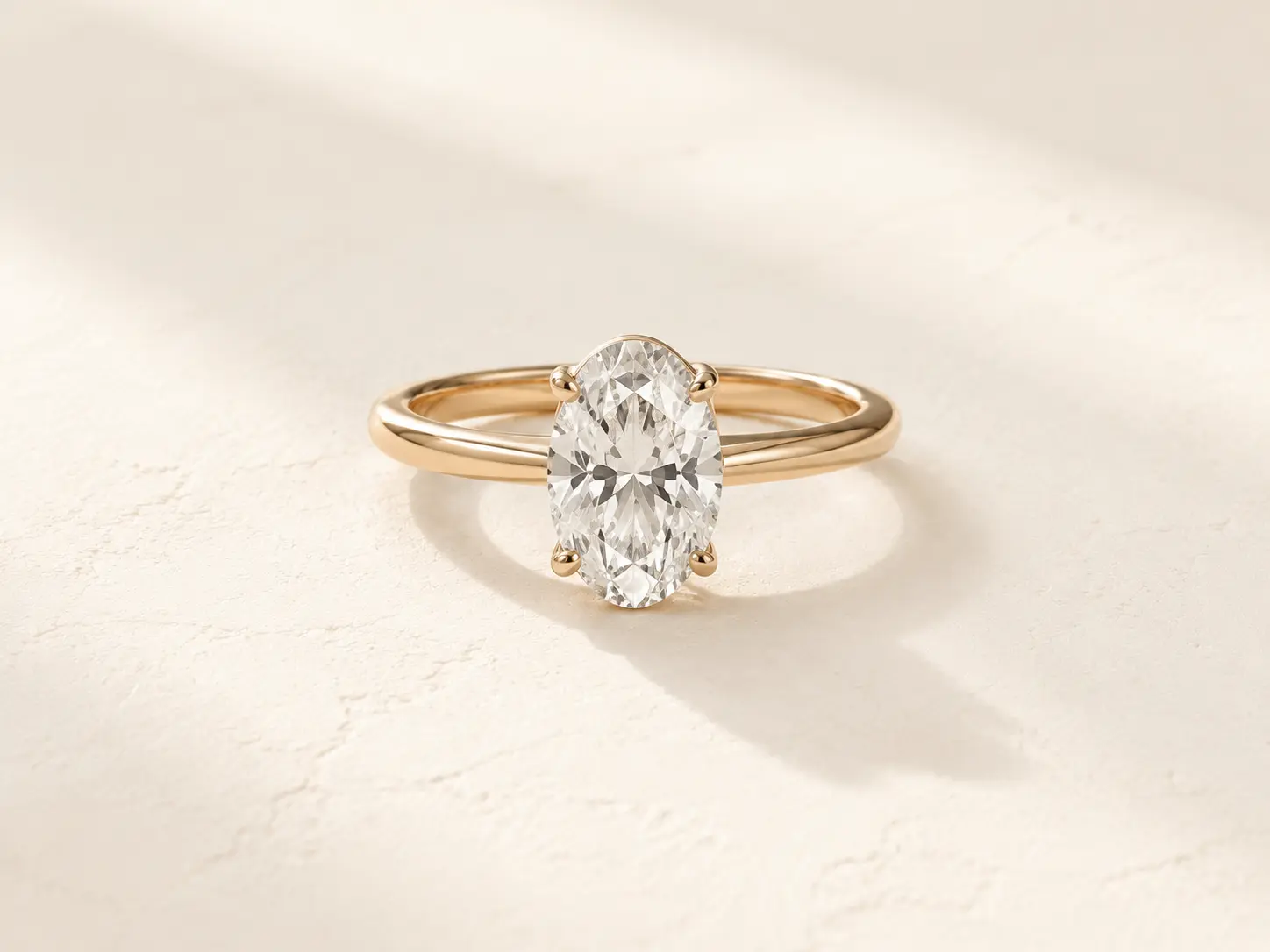
How far the stone sits off the finger determines almost everything about how a ring lives. A high cathedral setting lifts light into the stone beautifully and snags on jersey sleeves. A low setting sits under a glove and reads as quieter.
There is a middle position most people never get shown: a slightly lowered basket with the girdle brought closer to the finger. You lose very little brilliance and gain a ring that stops catching. Ask to see the difference on your hand rather than deciding from a photograph. The gap between the two is about two millimetres and it changes everything.
Prongs, bezels and the honest trade
- Four prongs show more of the stone and hold it less securely than six. On an active hand, six is the sensible answer for anything above a carat.
- A bezel wraps metal around the girdle. It is the most secure setting there is, it protects the most vulnerable edge of the stone, and it does mute the outline slightly. For many people that trade is worth making.
- A half bezel (metal on two sides, open on the others) is the compromise that gets chosen most often once people see it.
- Whatever you choose, prongs are consumable. They wear down, and they need checking every couple of years. Any jeweller who tells you otherwise is selling rather than advising.
Metal, briefly
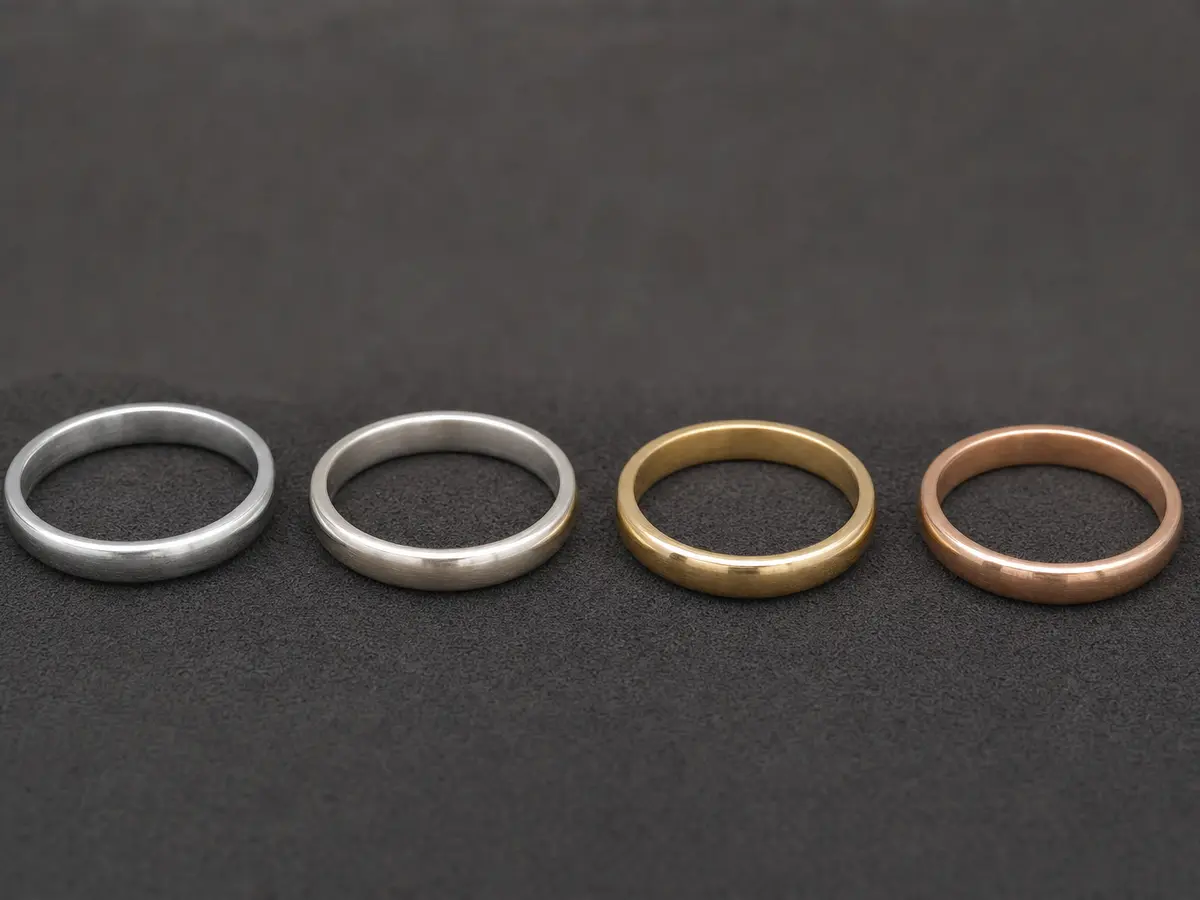
Platinum is denser and holds a stone more securely over decades; it also scuffs into a soft patina that some people love and some people ask us to polish out every year. Eighteen carat white gold is brighter initially and is plated with rhodium, which wears and needs redoing perhaps every eighteen months. Neither is better. But you should know which one you have chosen and why.
Yellow and rose gold have their own advantage worth naming: they flatter warmer stones, which means the colour grade you need to pay for drops. That is a real saving, and it is one of the few places where the aesthetic choice and the financial one point the same way.
Get the size right, twice
Fingers change size across a day and across a year: heat, salt, altitude, exercise. We size in the afternoon and we check again at collection. If she is between sizes, the wider the band, the tighter it wears, so a wide band should go up rather than down.
A ring that gets worn every day is worth more than a ring that gets admired occasionally.
Does a lower setting make the diamond look smaller?
Slightly less lifted, not smaller. The face-up size of a stone is its diameter, and that does not change with height. What a lower basket gives up is a little of the light entering from the side, which on a well cut stone is a small share of the total. Seen on the hand rather than in a photograph, most people cannot tell the two heights apart from the front, and everyone can tell them apart when a sleeve goes over the ring.