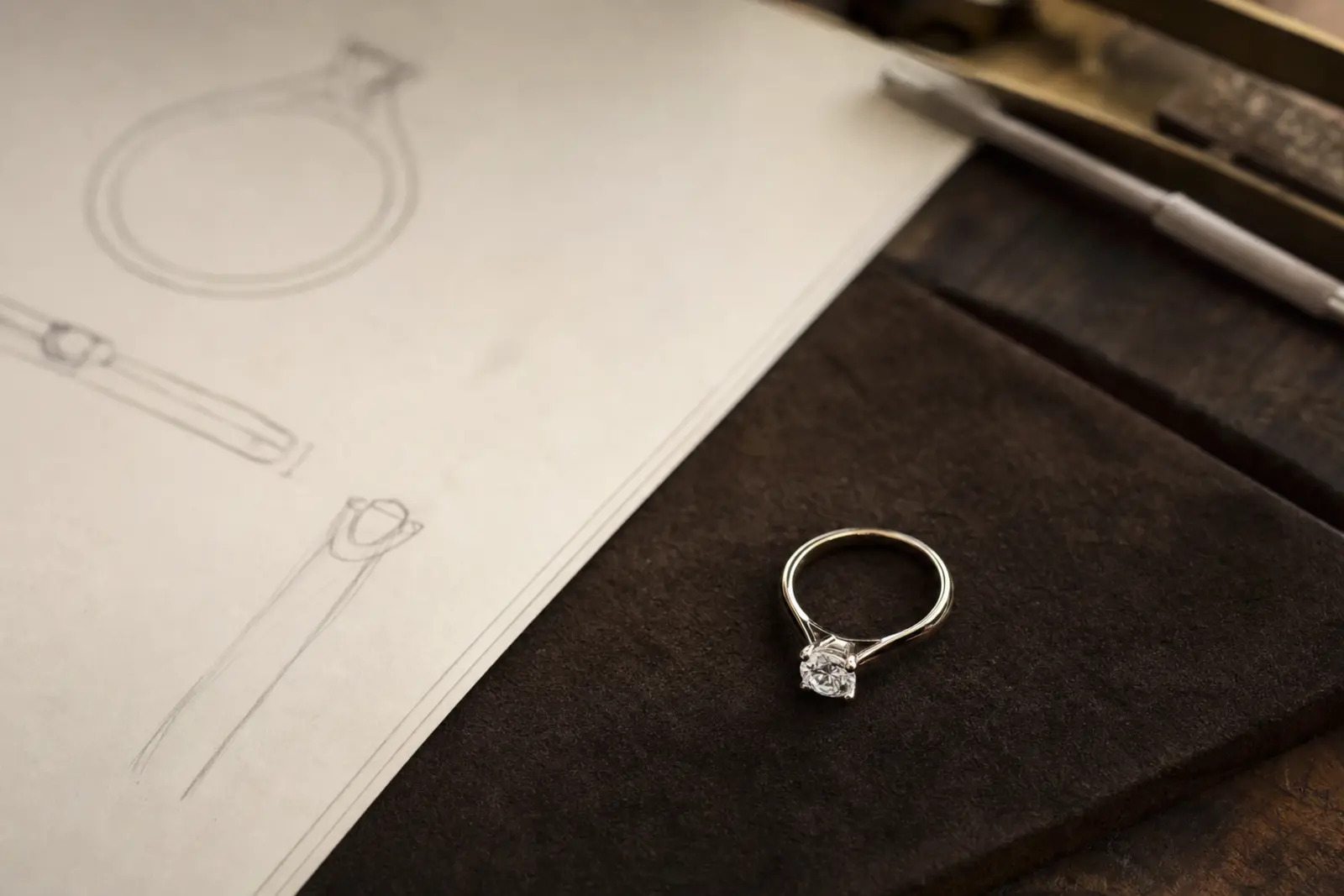
The engagement ring's shoulders, curve and profile height decide, months in advance, whether the wedding band that follows will sit flush against it or fight it, which makes this a design decision to make now rather than a problem to solve later.
Decide this before the first ring is made
Most couples design the engagement ring alone and think about the wedding band only once it is time to buy one. That order is understandable and it is also the reason so many bands need to be custom-shaped later to close a gap nobody planned for. A short conversation at the engagement-ring stage, about whether a straight band is likely to sit against this design, avoids that entirely.
Shoulders, curves and what they do to a future band
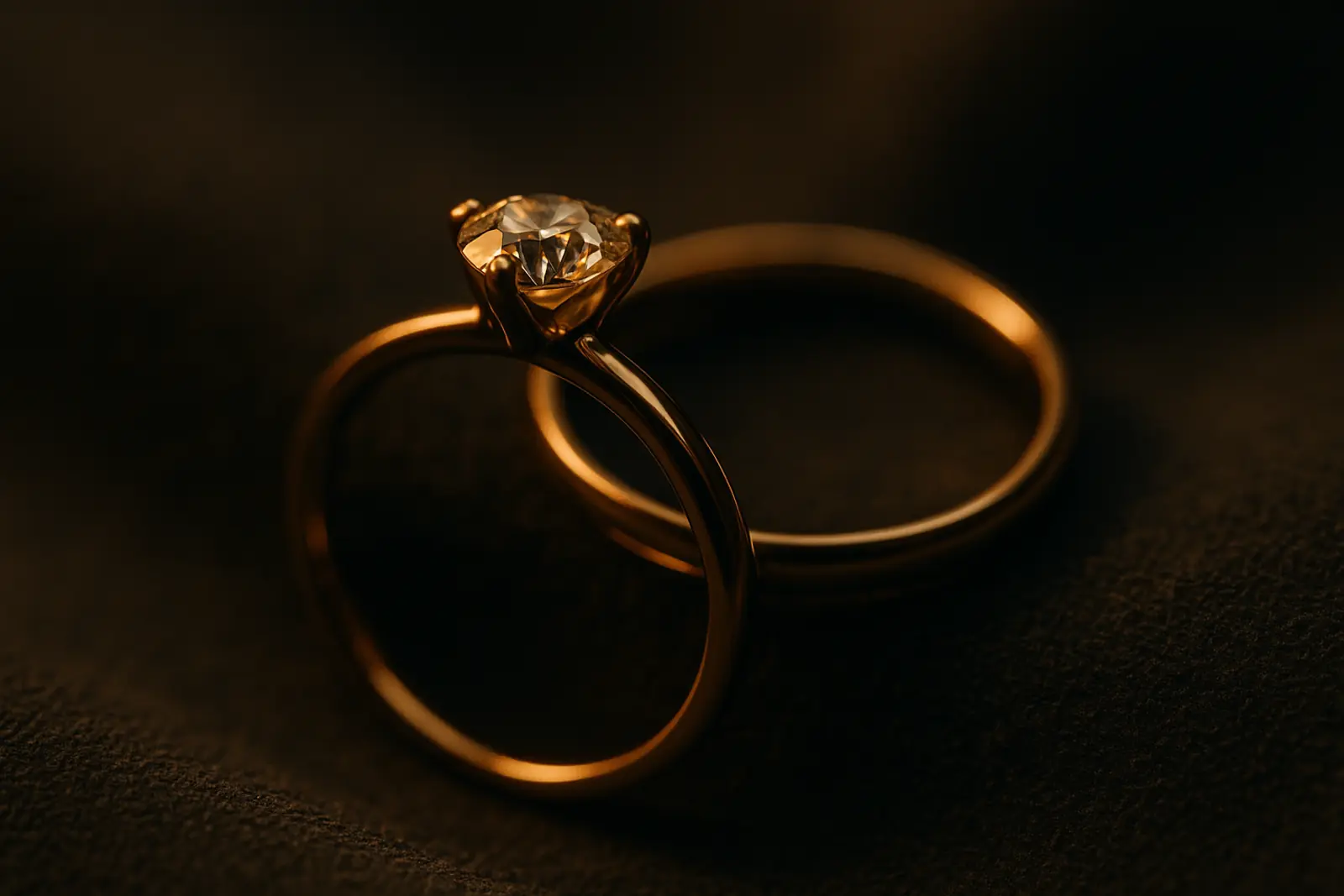
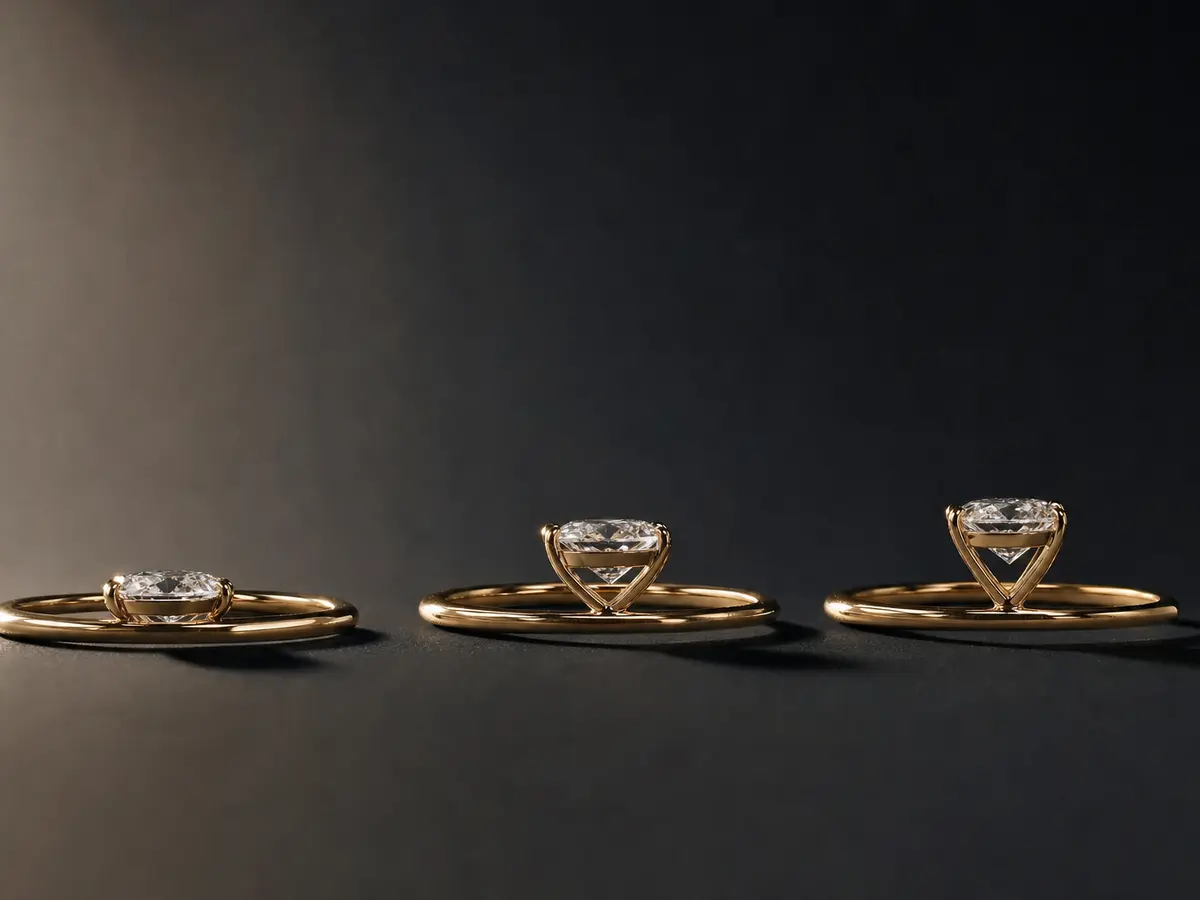
A straight, low-shouldered engagement ring sits well against an ordinary straight band with little or no gap. A curved shoulder, a wide basket, or a stone set with any real height pushes a straight band away from the finger at the point where the two rings should meet, leaving a gap that collects everything a hand touches during a day.
Two honest paths
The first is to choose straight, lower shoulders on the engagement ring specifically so a plain band can be added later without modification. The second is to accept a more dramatic curve or height on the engagement ring and plan, from day one, for a shaped band to be made against it once the time comes. Neither path is better; the point is choosing consciously rather than discovering the gap the week before the wedding.
Symmetry and how the pair will actually be worn
Some people never intend to wear the two rings pressed together daily, and design each one on its own merits without worrying about the fit between them. That is a completely legitimate choice, and it is worth naming out loud at the design stage, because it changes how much time is spent solving a problem that may not need solving at all.
What Gavin actually looks at during a first consultation
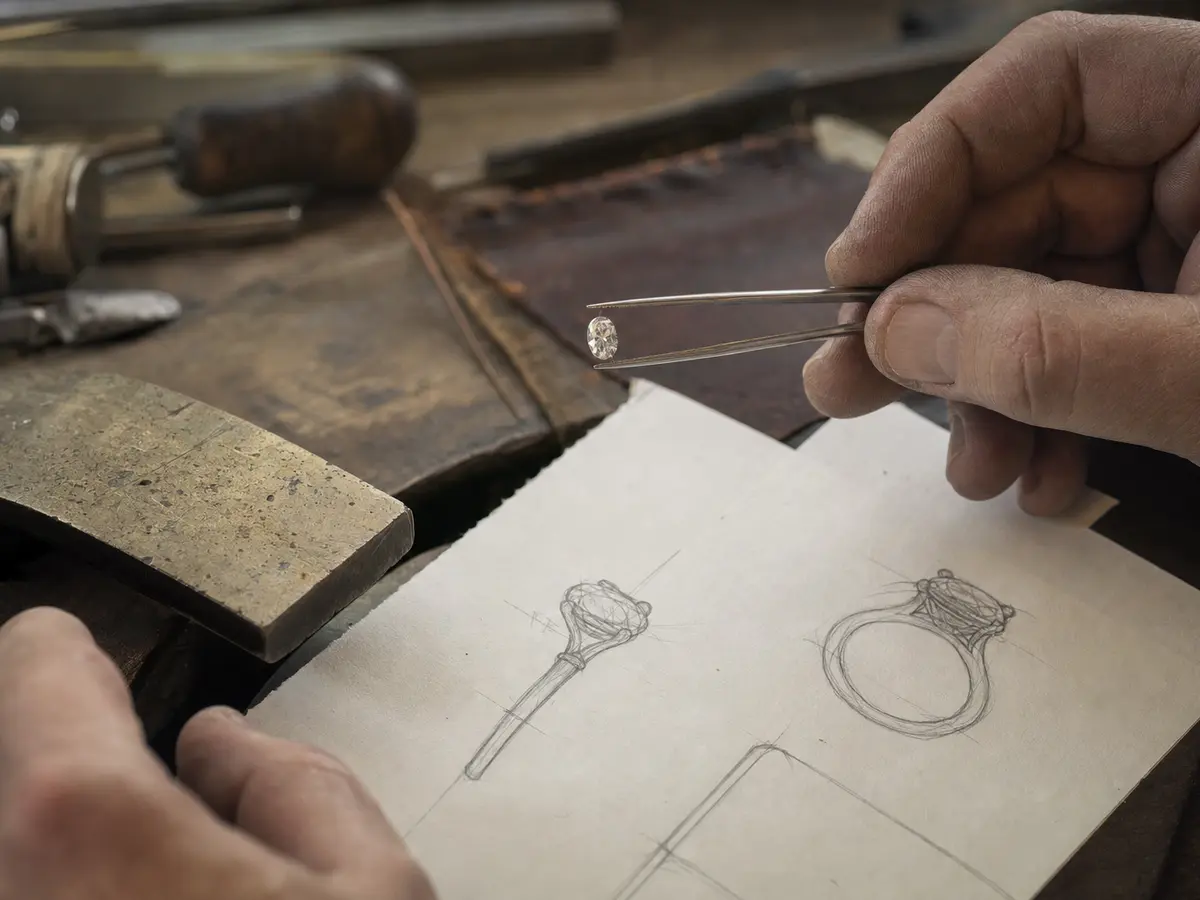
Beyond the obvious shoulder curve, three quieter details decide how a future band will fit: how far the gallery, the open structure under the head, extends along the shank, whether the taper of the shoulder is gradual or abrupt, and how much clearance sits between the underside of the basket and the finger. None of these are visible in a simple sketch, which is why we talk through them at the bench with a wax or a sample ring in hand rather than from a drawing alone.
- Ask whether the shoulder profile is straight or curved, and how that will read next to a plain band.
- Ask what the basket height will do to a straight band's fit against it.
- Decide now whether a shaped band is the plan, so the engagement ring's design can anticipate it.
- If the two rings will rarely be worn together, say so, and design each on its own terms.
Design the pair, even if only one ring exists so far. The second ring is far easier when the first one expected it.
Should the metal be decided with the wedding band in mind too?
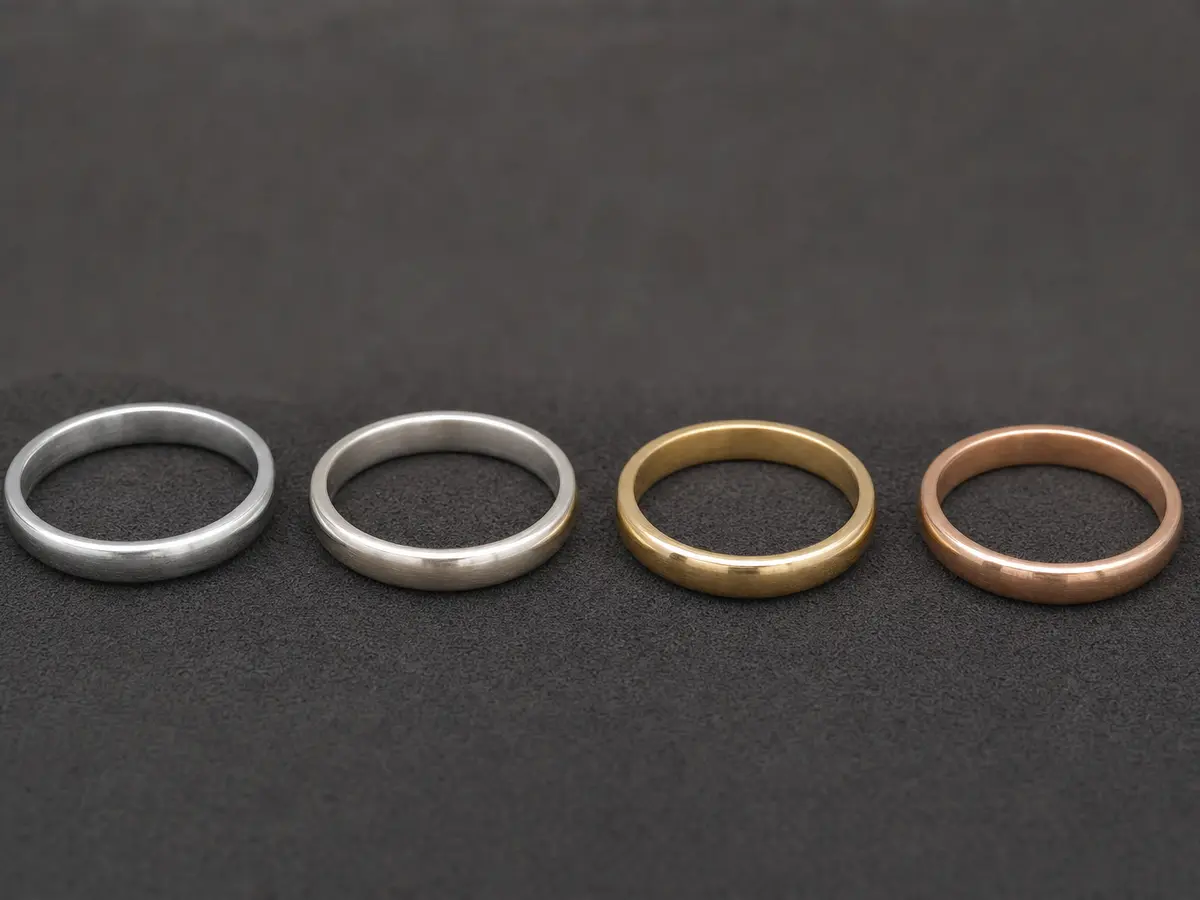
Yes. Two rings worn together for decades wear each other, and the softer metal gives way first. If platinum and 18 carat gold are worn against one another daily, the gold will show wear sooner. Deciding the engagement ring's metal with an eye on what the band will likely be, even loosely, avoids that mismatch later.
What if we do not know yet whether we want a shaped or plain band?
That is common, and it does not need deciding immediately. What matters at the engagement-ring stage is simply knowing which shoulder and height choices keep both doors open, and which ones commit you to a shaped band later. Ask Gavin to flag that trade-off at the design stage so the decision, whenever it comes, is an informed one rather than a surprise.