A multicultural wedding brings two families, two sets of customs and often two languages into one day, and the planning problem is rarely which tradition to follow, it is how to let both be visible without either feeling secondary.
Languages, and who the day is actually for
If the two families speak different languages, decide early which languages the programme, the invitations and the officiant's words will use, and whether that means printing two versions, using both throughout, or translating key moments live. Guests from either side should be able to follow the day without needing someone beside them to explain it constantly.
Two sets of customs, and attire that reflects both
Some couples change outfits partway through the day to reflect both families' traditions, others choose a single outfit that draws on elements of each. Neither is more correct, and the choice tends to say more about the couple's own preference than about either family's expectations. Talk to both families about what matters to them in this area specifically, since attire carries more meaning in some cultures than others.
Food, music and timing
Catering, music and the running order of the day are the places where a multicultural wedding either works or starts to feel like two events awkwardly stitched together. Aim for genuine representation from both families rather than a token gesture toward one side, and build extra time into the schedule, since a day carrying two sets of customs tends to run longer than a single-tradition wedding does.
The programme is doing more work than usual
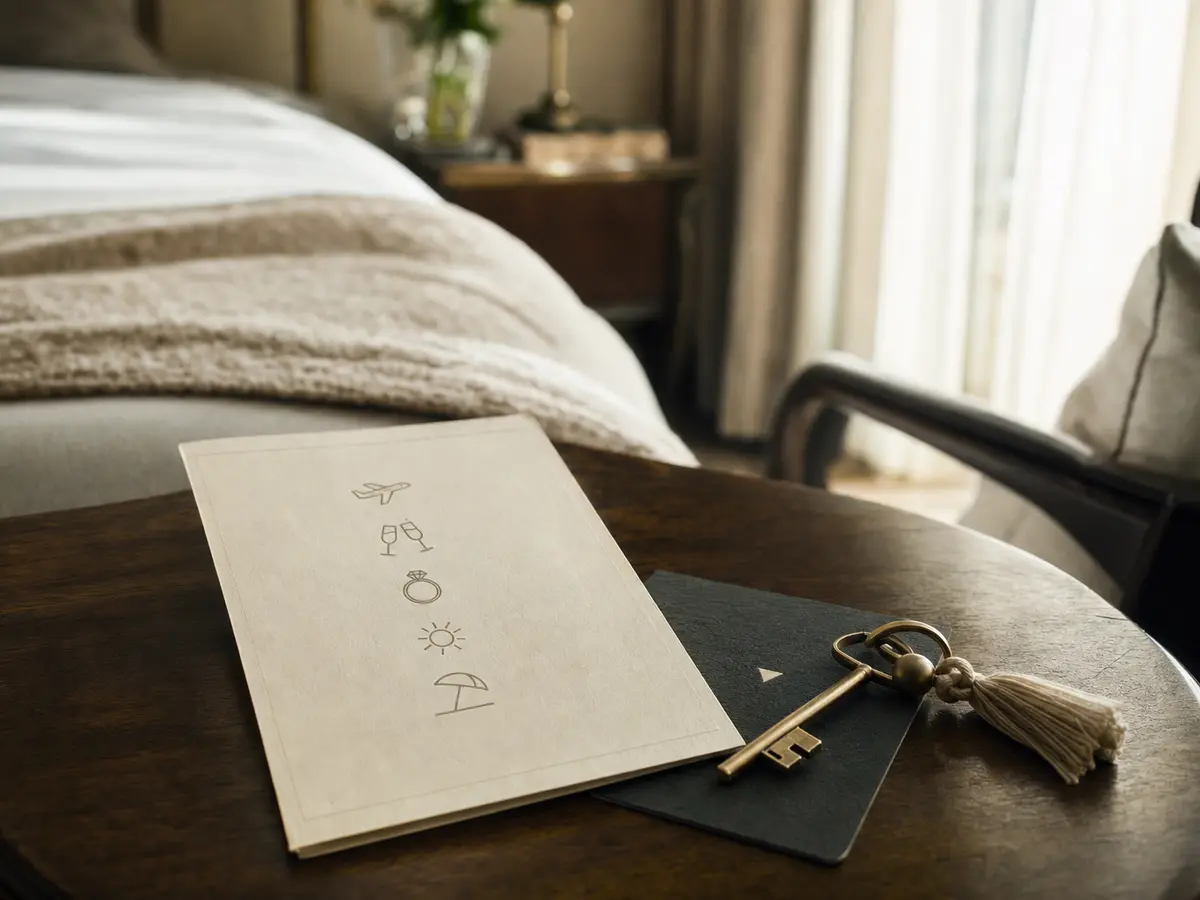
A printed programme matters more at a multicultural wedding than at most others, because it is the one place every guest can turn to understand a moment that is unfamiliar to them. Write it plainly, avoid assuming prior knowledge from either side, and have someone from each family read a draft before it goes to print.
Seating and guest comfort
Seat guests to mix rather than split strictly by family side wherever the venue allows it, so the room itself reflects the day rather than reading as two separate audiences. Check dietary needs from both families early, since a multicultural guest list often carries more variety than a single-tradition wedding, and brief your caterer on both sets of requirements well before the final numbers are due.
- Which languages the programme and the officiant will use during the day
- Attire changes, if either family expects more than one outfit
- Food and music that represent both families rather than one dominating
- How the timing of the day accommodates two sets of customs without running late
- A programme guests can follow, explaining moments that are not self-explanatory
Done well, a multicultural wedding does not read as a compromise between two traditions. It reads as a day that genuinely belongs to both families, because it was planned that way from the start.
How do we stop one family's customs from dominating the day?
Involve both families in the early planning conversations rather than presenting a finished plan for approval, and look honestly at the running order, the venue decor and the guest list for signs that one side is quietly taking up more space than the other. It is easier to correct this balance early than to notice it after invitations have gone out.
Do we need a bilingual officiant or programme?
Not necessarily an officiant fluent in both languages, though some couples do look for one. A bilingual or dual-language printed programme, combined with an officiant who pauses to explain key moments, achieves much the same result for guests. What matters more than the specific solution is that guests from both sides can follow the ceremony without feeling lost.
How much extra time should we budget for a multicultural wedding day?
More than you initially think, since two sets of customs, potential attire changes and translated moments all take longer than a single-tradition running order. Build buffer time into the schedule between key moments rather than planning back to back, and share a realistic timeline with your suppliers early so photography, catering and music are all working from the same expectations.