Not always, and the honest answer depends on whether either of you would actually rewatch a video of the moment, because a proposal film only earns its cost if it gets watched more than once.
What a videographer or content creator actually does
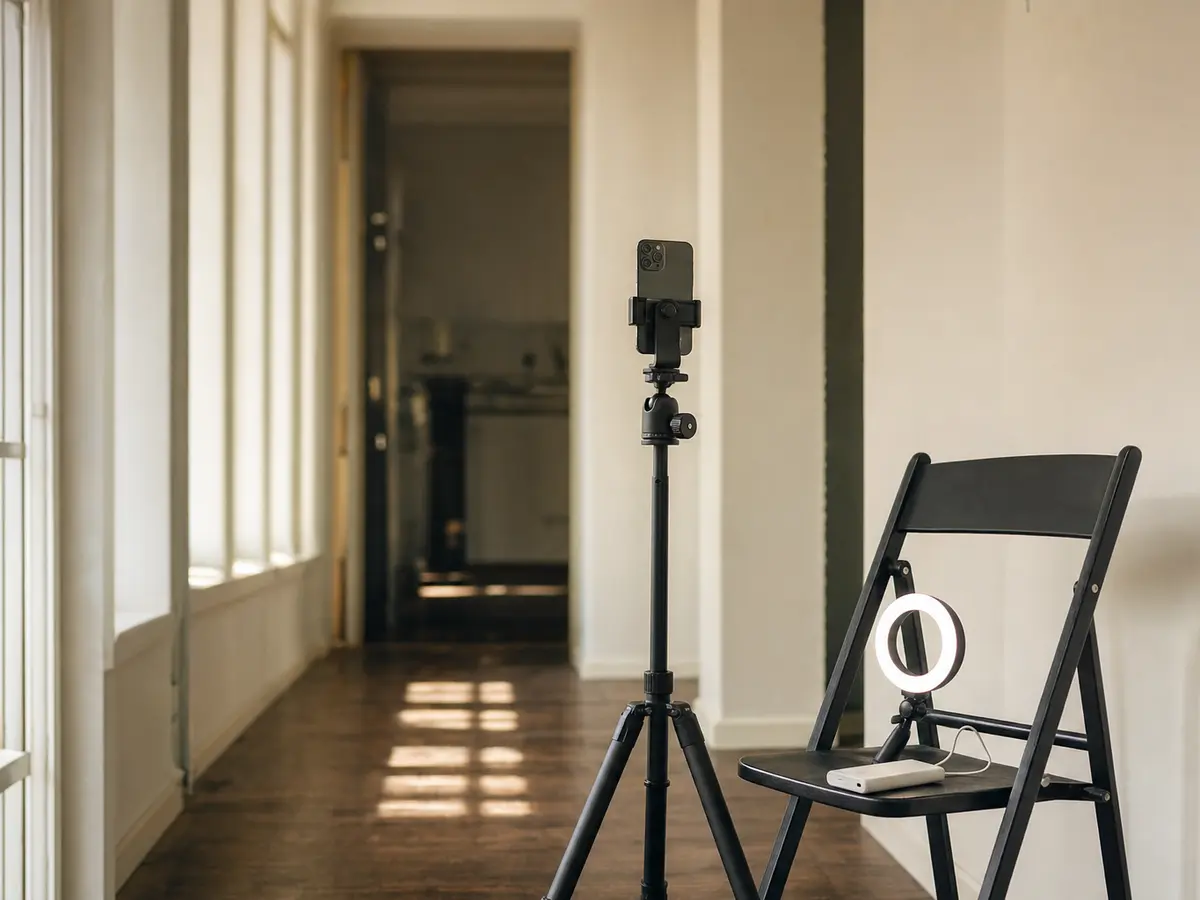
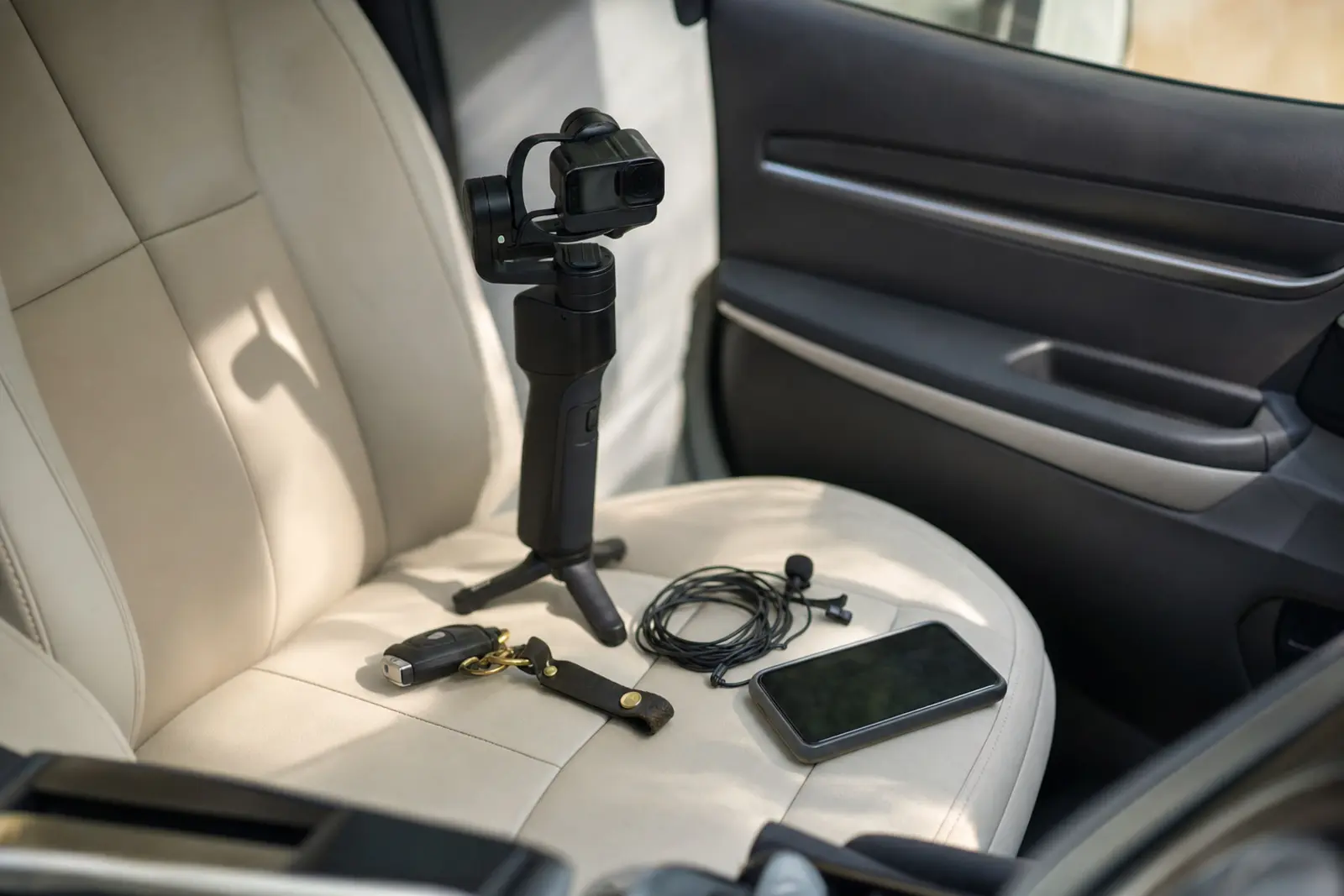
The role splits into two different jobs that sound similar. A videographer shoots a short, edited film with proper camera equipment, often the same person who would cover a wedding, working from concealment much like a photographer would. A content creator, a newer category, typically shoots on a phone or a small gimbal-mounted camera, works closer in, and produces something built for sharing rather than a cinematic keepsake. Neither job requires a large crew. One person with the right equipment and a scouted position is usually enough.
Whether you actually need one
A lot of proposals do not need video at all, and saying so plainly is worth more than pretending otherwise. If neither of you is a big video-watcher, or if the idea of a camera running makes either of you self-conscious, skip it and keep the photographs instead. Video earns its place when the moment itself has movement or sound a photograph cannot hold, such as what was actually said, or when you know you will want to show family who could not be there. If you are doing it purely because it seems expected, that is a reason to reconsider rather than book.
Judging examples and references without a directory
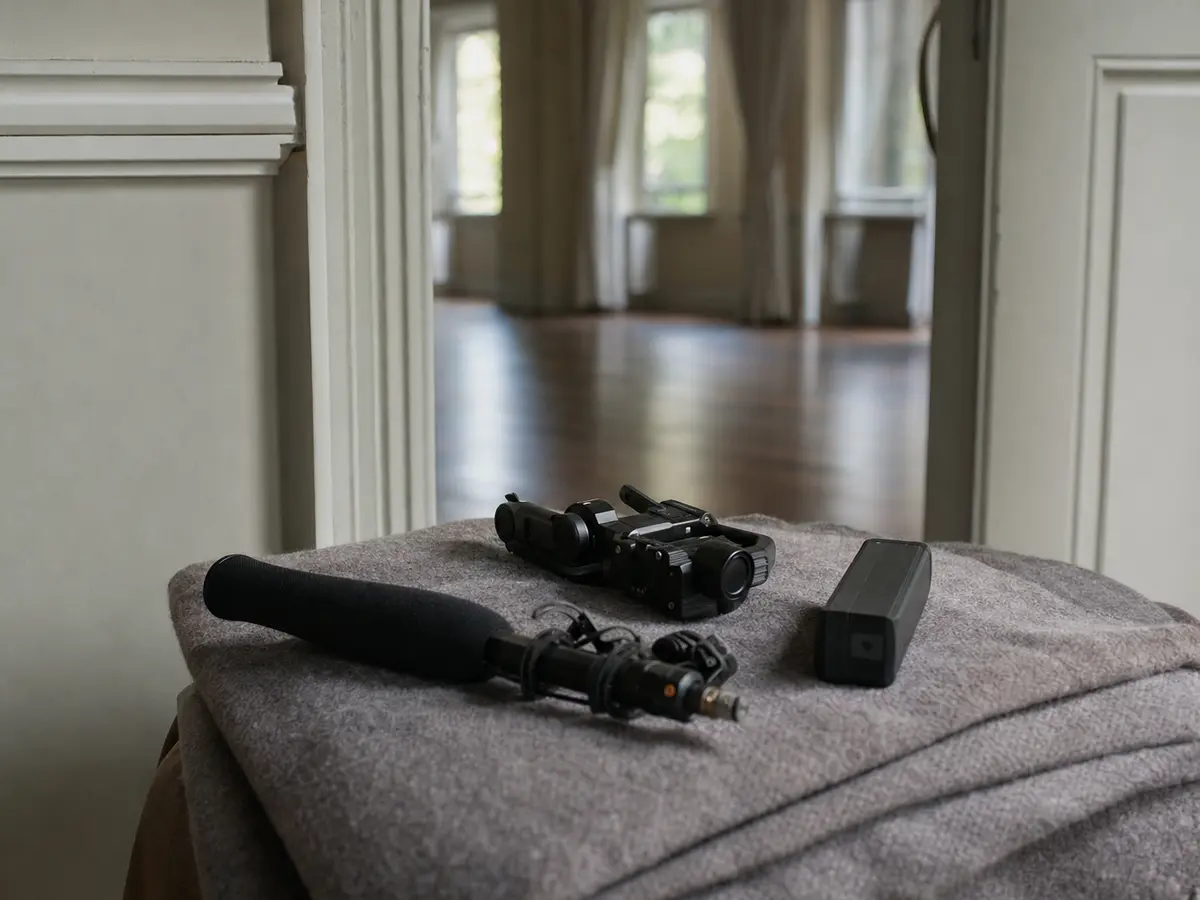
Ask to see a full proposal video start to finish, not a thirty-second highlight reel, since the highlights hide clumsy positioning and shaky handheld footage. Ask specifically how they capture sound from a distance, which is the hardest technical part of this work: a wireless microphone worn by one of you, hidden well, usually beats a camera microphone from twenty metres away. If you are considering a content creator rather than a videographer, ask to see raw, unedited footage as well as the polished cut, since a heavily edited clip can disguise how close they actually had to stand.
- Can I see a full proposal video, not just a highlight reel?
- How will you capture usable sound from wherever you are standing?
- Will you use a hidden microphone, and if so, who fits it and when?
- What is your plan for low light, and have you shot in this kind of setting before?
- What is the deposit, and how does cancellation or postponement for weather work?
- How long will editing take, and how many versions or edits are included?
What goes wrong
Sound is the most common failure: a beautiful shot with inaudible or wind-blown audio of the actual words spoken. Position is the second, since a videographer needs a longer, steadier vantage than a photographer to capture movement without shaking, which is harder to hide well in a small setting. The third is over-direction, where a videographer nudges the couple toward a better camera angle and the moment stops feeling spontaneous. Brief them explicitly not to direct anything.
Keeping them invisible on the day
The same rules as a photographer apply, with one addition: agree in advance whether a microphone will be worn, by whom, and how it will be explained if noticed. A content creator working closer in needs a clearer cover story for a public setting, since a phone held at an unusual angle for several minutes draws more attention than a stills camera on a tripod thirty metres away. Test the equipment on a walk-through beforehand if the location allows it.
If you do book one, treat the edited film the way you would treat the ring itself: something to be seen once by the two of you before anyone else does.
Is a content creator cheaper than a videographer?
Often, though it depends entirely on who you are comparing and what they deliver. A content creator working solo on a phone or gimbal generally has lower overheads than someone bringing full video equipment and a longer edit process, but the finished product is different too: shorter, more casual, and built for sharing rather than a considered short film. Compare what each actually delivers rather than assuming one category is automatically the cheaper option.
Can the same person do photography and video at once?
Some do, but it is worth asking directly rather than assuming, since covering both well from one position at one distance is genuinely harder than doing either alone. A single operator has to choose between a photograph's stillness and a video's movement at the exact moment it matters most. If both matter to you, ask whether they use two cameras or two people, and judge the answer on how specific it is.
What if we do not want the footage shared anywhere?
Say so clearly before you book, in writing if possible, and confirm it again on the day. A professional will have no issue treating the footage as private and handing over the only copies, but the request needs to be explicit rather than assumed, particularly with a content creator whose usual work is built around posting.