Working with a venue that offers general or unrestricted catering still means reading the contract properly, because unrestricted rarely means there are no conditions attached to it at all.
In-house, preferred list or bring-your-own
Venues describe their catering arrangement in three broad ways: a single in-house kitchen you must use, a preferred list of a few approved caterers to choose between, and a genuinely open arrangement where you can bring whoever you like. The word 'unrestricted' on a venue's website can mean any of the three in practice, so it is worth asking the venue directly which of them applies before assuming the widest option.
What 'unrestricted' actually means in a contract
Even a genuinely open catering policy tends to come with conditions once you read the fine print: a kitchen access fee, an insurance requirement for the outside caterer, a corkage charge if you bring your own drinks, or a requirement that any outside caterer be approved in advance rather than simply booked. None of these are unreasonable on their own, but they change the budget, and couples who only discover them after booking a caterer end up renegotiating two contracts at once instead of one.
Corkage, and what it actually adds up to
If the venue allows you to bring your own wine and drinks, ask for the corkage fee as a per-bottle or per-guest figure rather than a vague 'small charge', and do the maths against buying through the venue directly before deciding which is cheaper. Corkage is common practice at general-catering venues across South Africa, but the number varies enough between venues that it is worth confirming rather than assuming.
The tasting, even without a faith or dietary requirement to plan around
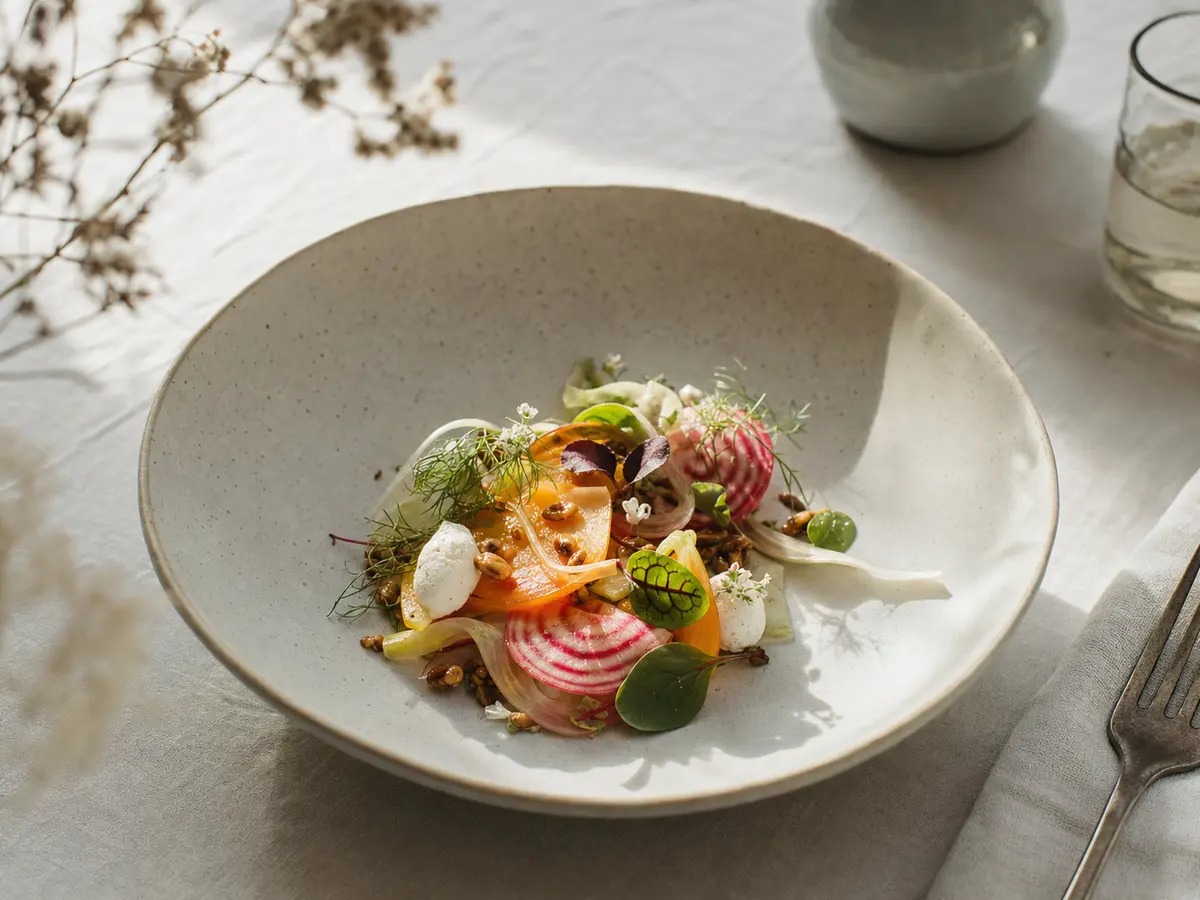
A general menu still deserves a proper tasting, and it is worth treating it with the same seriousness you would give a supervised or certified menu: taste the actual dishes planned for your date, not a sample of the caterer's usual range, and raise dietary requirements within the guest list at the tasting rather than the week of the wedding. Even an unrestricted menu needs to account for guests with allergies, or vegetarian or vegan preferences, and a caterer used to weddings will expect that conversation.
The kitchen and the power question
Ask what the venue's kitchen can actually run on the day, particularly its capacity during load-shedding, since a general caterer working from a venue's kitchen is affected by the same outages as everything else on site. Confirm whether the venue has backup power for the kitchen specifically, not only for lighting and sound, and ask the caterer how their plan changes if the kitchen loses power during service.
- Confirm whether the venue's policy is in-house, a preferred list, or genuinely open
- Ask for every additional fee in writing: kitchen access, corkage, insurance, approval process
- Get the corkage charge as a specific figure and compare it against buying through the venue
- Book a proper tasting of the actual menu planned for your date
- Ask directly what backup power covers in the kitchen, not only front-of-house
A general catering policy is the simplest starting point of the three, not because it comes with no conditions, but because there are fewer of them to check before you can relax about the rest.
Is it always cheaper to use a venue's in-house caterer?
Not necessarily. An in-house caterer removes one negotiation, but a preferred list or an open policy can bring the cost down if you find a caterer whose pricing suits your guest count better than the venue's own kitchen does. Ask the venue for its in-house pricing and compare it against at least one outside quote before assuming the in-house option is the better deal.
What is corkage, and is it negotiable?
Corkage is a fee a venue charges when you supply your own wine or spirits rather than buying through their bar, usually charged per bottle or per guest. It is common practice and not usually something a venue removes entirely, but the figure itself is sometimes negotiable, particularly for a larger guest count. Always ask for the number in writing rather than an estimate given verbally on a site visit.