An anniversary gives a proposal a date everyone will remember, and one she may half expect. An ordinary Tuesday protects the surprise and lets the moment stand on its own, without competing against a shared history. Neither is the better choice in general. The better choice is the one that matches what the two of you actually want from the day.
What an anniversary buys you
An anniversary is a date already loaded with meaning, which does some of the emotional work for you. Family and close friends usually know it matters, so a proposal that lands on it reads as considered rather than sudden. It also gives you a natural, repeatable reason to mark the day every year afterwards, which some couples care about more than they expect to going in.
The cost is predictability. If the relationship already has a pattern of marking the date with dinner or a trip away, she may notice you behaving differently around it weeks in advance, and a proposal she is half expecting is a different experience to one she is not. Some people want exactly that certainty. Others would rather be caught off guard.
What an ordinary day buys you
A Tuesday with no significance attached carries no expectation, which is precisely its value. Nobody is watching the calendar, including her, so the moment has to work on its own rather than borrowing weight from the date. It also removes a whole category of pressure: there is no earlier proposal to compare against, no family precedent and no anniversary dinner to live up to.
The difficulty runs the other way. An ordinary day needs its own reason to feel considered rather than incidental, which usually means more attention to the setting and the lead-up than an anniversary needs, not less, because the date itself is doing none of the work for you.
Valentine's Day and New Year's Eve are a separate case
Both dates carry meaning without being personal to the two of you, and both come with a practical problem: everyone else has the same idea on the same night. Restaurants are fully booked weeks out, photographers are working several proposals in one evening, and a ring collected in a rush to make the date is a ring compromised to make the date. If either date genuinely matters to the two of you, plan for it earlier than you would for any other day of the year. If it only appeals because it is the obvious answer, it is worth asking whether an ordinary day would actually serve you better.
A date that already belongs to someone else
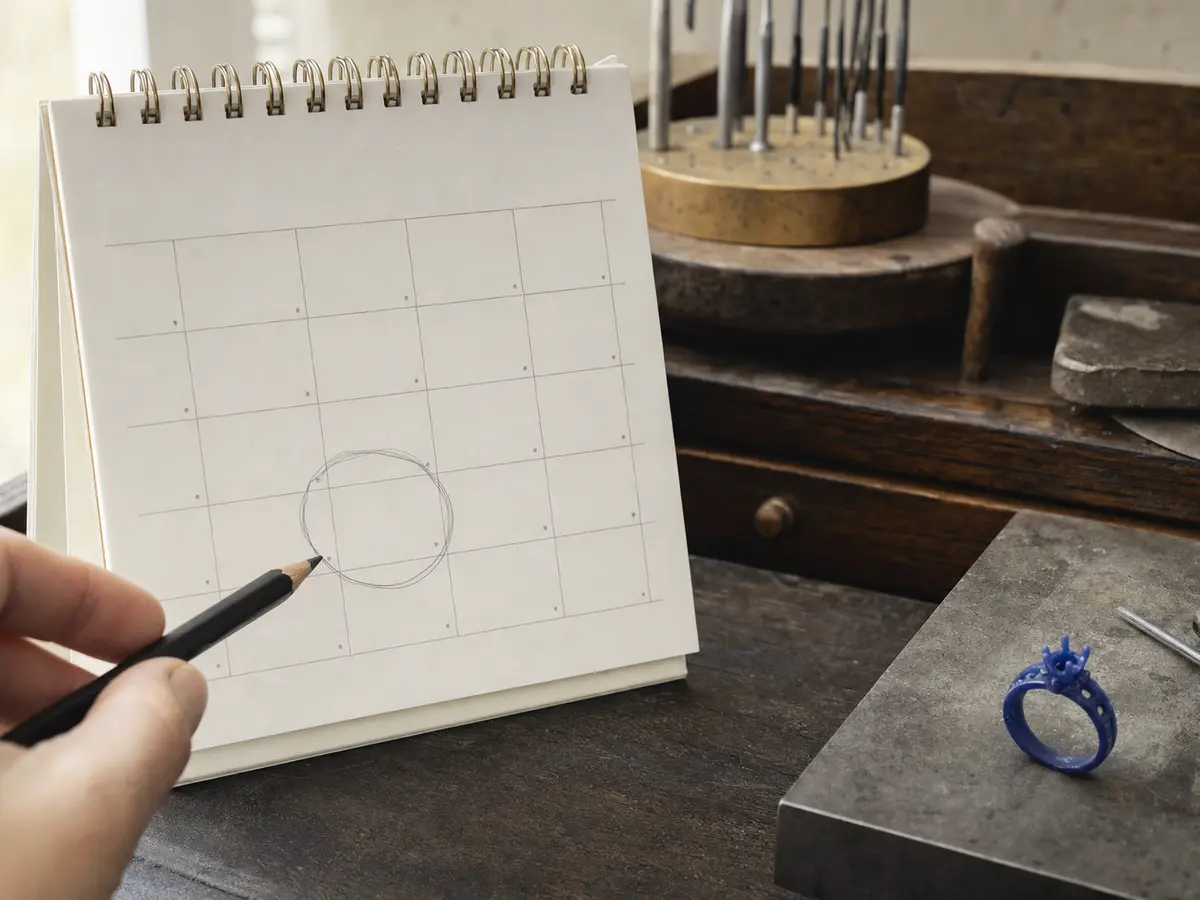
Check the date against the rest of the family calendar before you fix it. A proposal on a parent's wedding anniversary, a sibling's birthday, or a public holiday already claimed by another family gathering can read as thoughtless even when nothing about the choice was deliberate. It is a five-minute check against a shared calendar, and it is far easier to do quietly before you have told anyone than to explain afterwards why you chose that particular day.
The date decides the ring, more than people expect
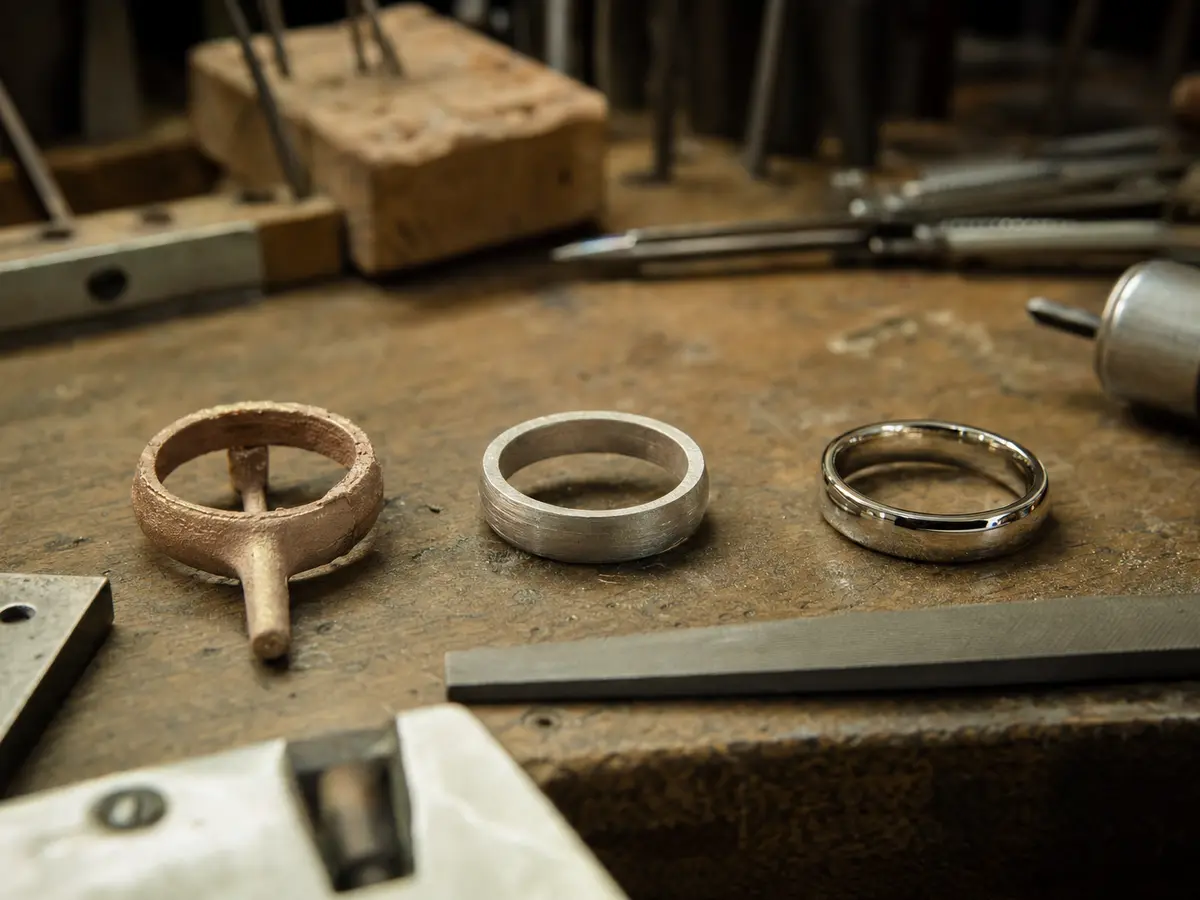
Fixing a date first and building everything else around it, including the ring, is the most common planning mistake Gavin sees at the Illovo studio. A bespoke piece takes roughly six to eight weeks from the first conversation to a finished ring, longer for an unusual stone, so a date chosen without checking against that timeline can force a compromise nobody wanted to make. The stone gets smaller, the design gets simpler, or the ring is not quite ready and everyone quietly pretends that is fine.
The better order is to have the ring conversation first and let the date follow from it. If a specific date matters to you, whether it is an anniversary, a birthday or something else entirely, say so at the first consultation, so the making schedule works backwards from it rather than the ring being rushed to catch up at the end.
- Has she mentioned, even in passing, wanting or not wanting a proposal on a particular day?
- Will the ring genuinely be ready, with margin, by the date you are considering?
- Are you choosing this date because it means something to the two of you, or because it is the easiest one to remember?
- If the date is Valentine's Day or New Year's Eve, have you booked whatever the evening depends on well ahead of everyone else doing the same thing?
Both dates work. What fails is picking one for its own sake and then building the rest of the decision, the ring included, around a deadline that was never really about her.
Is it a bad sign if we do not have a meaningful anniversary or date to propose on?
No. Plenty of strong relationships do not have a single date that carries obvious weight, and manufacturing one rarely helps. An ordinary day chosen with care, rather than a significant date chosen out of obligation, tends to be remembered just as clearly afterwards. What people recall is how the moment felt, not what the calendar happened to say that week.
Should I tell her the date matters, or let her think it is a normal day?
That depends on how she generally experiences surprises. Someone who enjoys being caught off guard usually prefers an ordinary day handled as if nothing is happening. Someone who finds surprises stressful, or who has said as much before, is often better served by a date she can see coming, even an anniversary, so she is not managing anxiety and anticipation together on top of the moment itself.