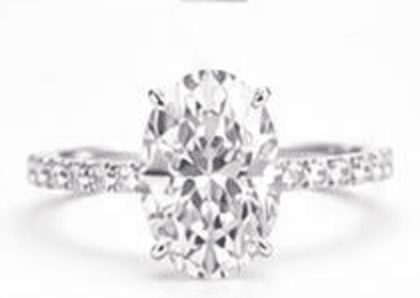
A diamond that looks dull is almost never a damaged diamond. It is a film of hand cream, sunscreen and highveld dust on the underside of the stone, where light is supposed to enter.
The whole method
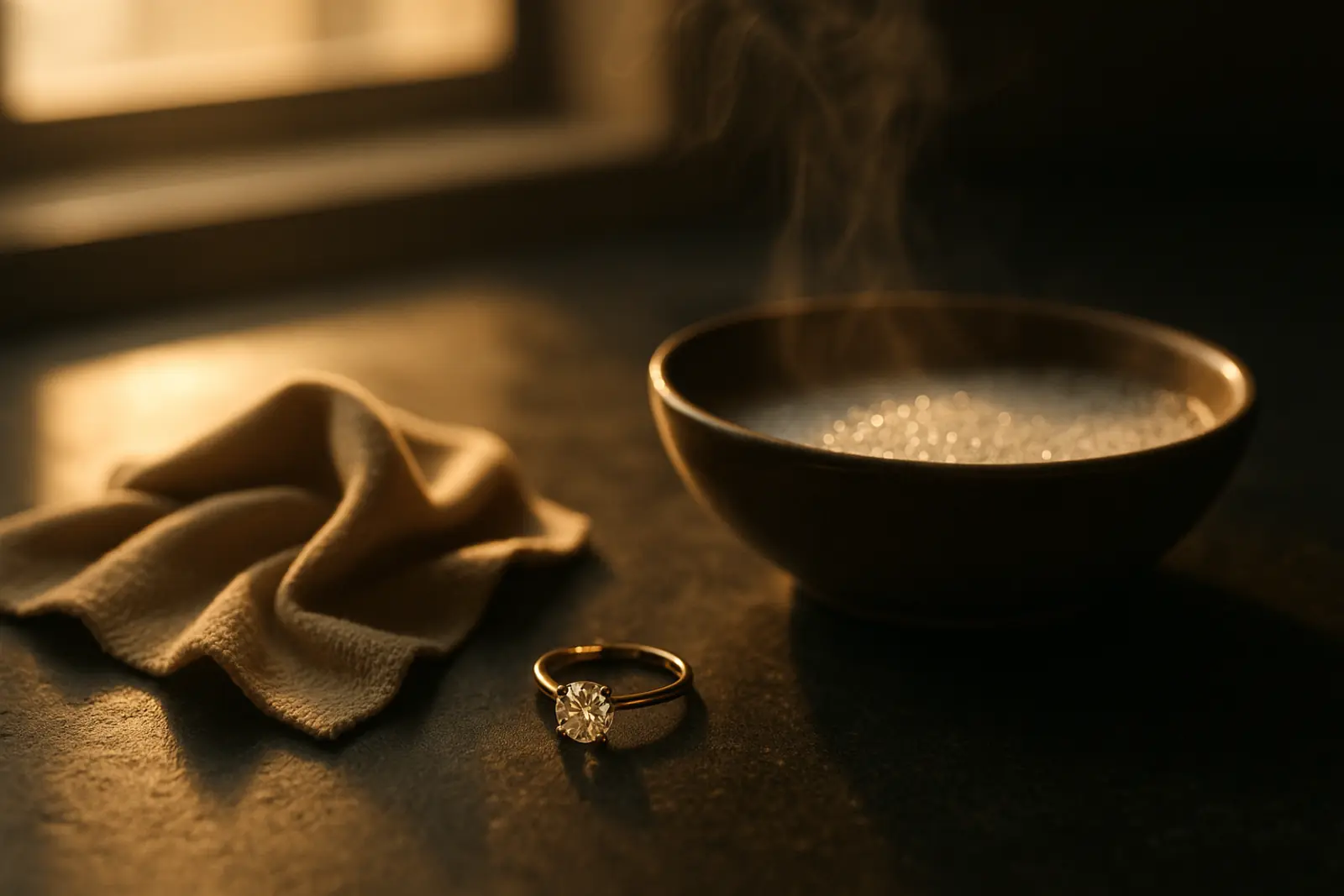
Warm water, a drop of plain dishwashing liquid, ten minutes in a cup, then a soft toothbrush on the back of the setting where the film actually sits. Rinse in a bowl rather than over an open drain. We have heard that story more than once. Dry on a lint-free cloth. Once a week is plenty.
What to keep it away from
- Chlorine. Pool water attacks the alloys in gold over time, and Johannesburg summers mean a lot of pool water.
- Sunscreen and hand cream, which are the main cause of a dull-looking stone in this climate.
- Gym equipment. Most bent claws we see arrive from a weights rack rather than an accident.
- Ultrasonic cleaners at home, if the ring holds an emerald, opal or anything treated. Ask before you buy one.
The part you cannot do yourself
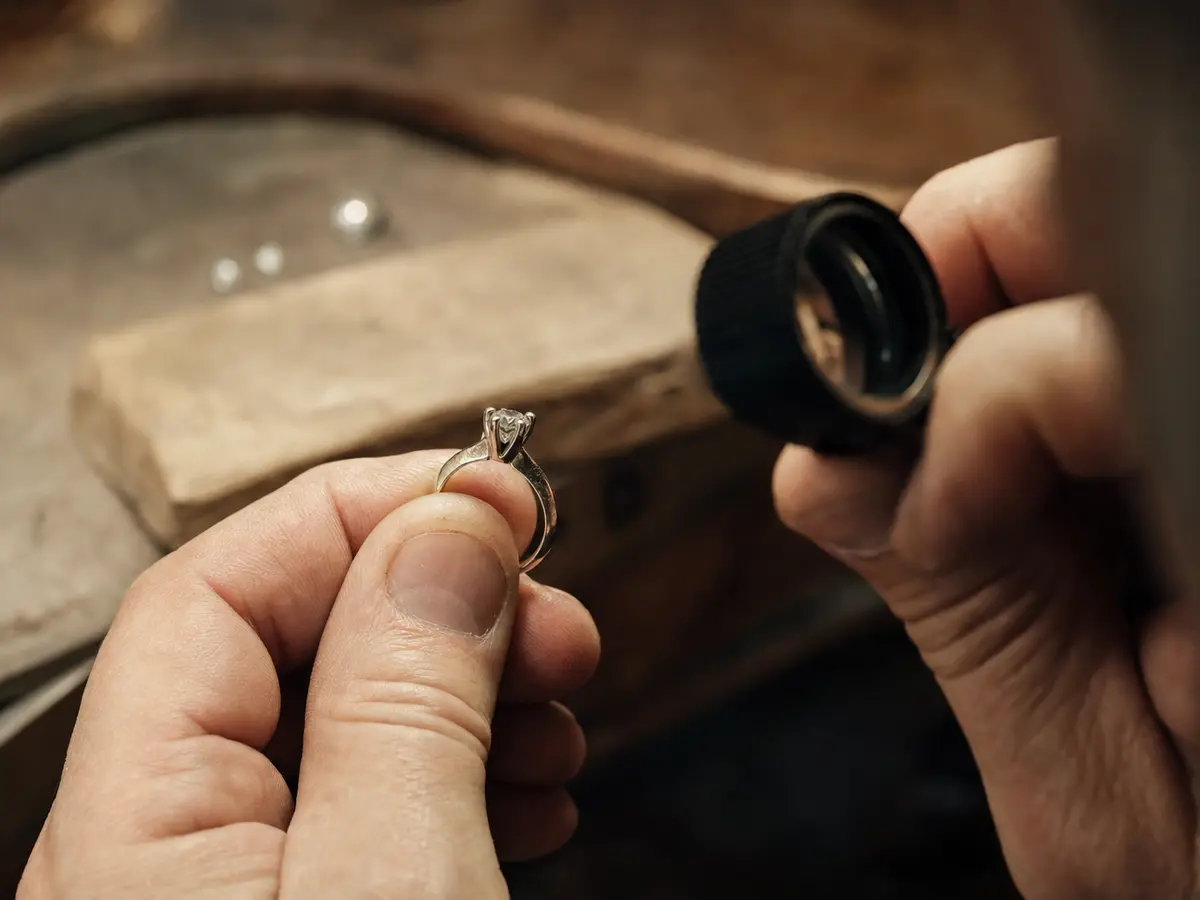
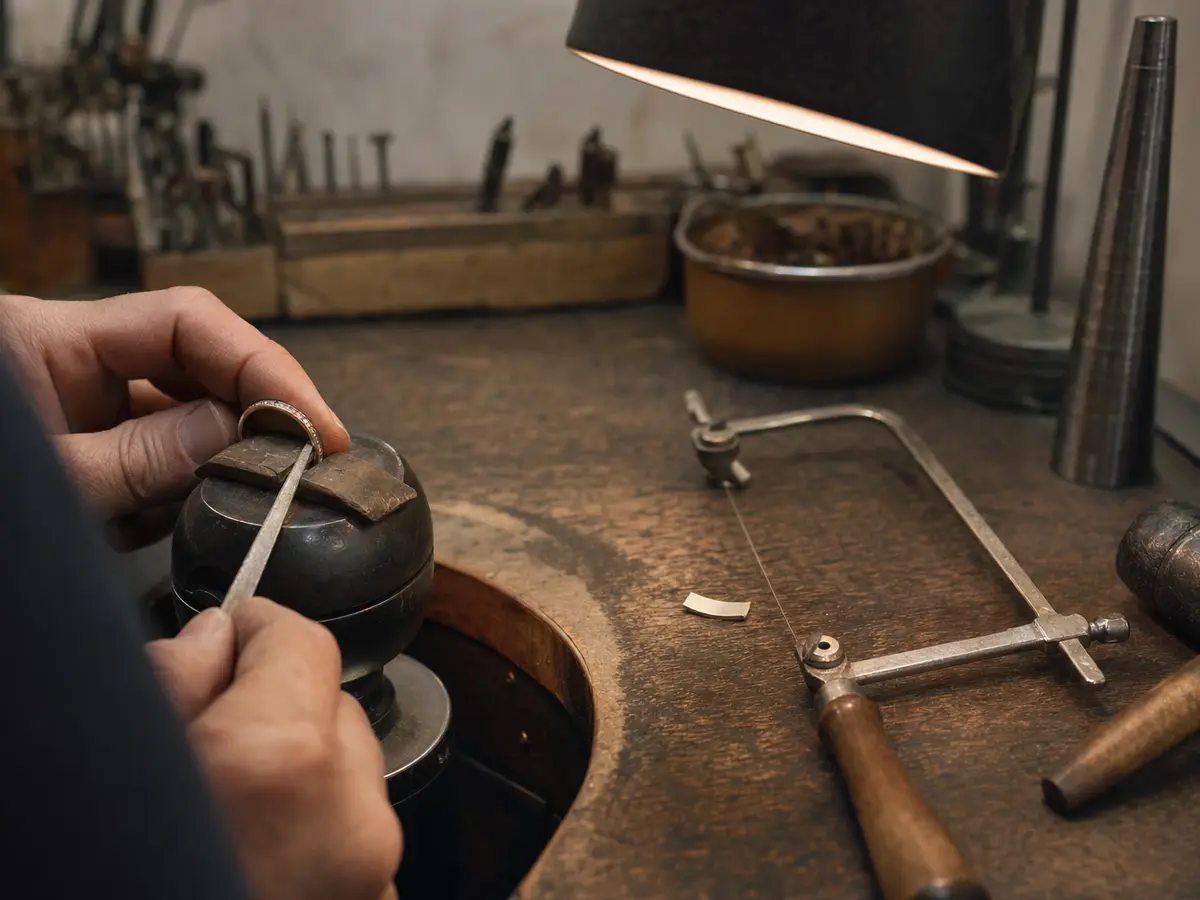
Claws wear thin and they do it slowly enough that nobody notices. Bring the ring in once a year and we will check the settings under magnification, tighten anything that has moved and re-polish it. It takes an afternoon and it is the single thing most likely to stop you losing a stone.
Other pieces, briefly
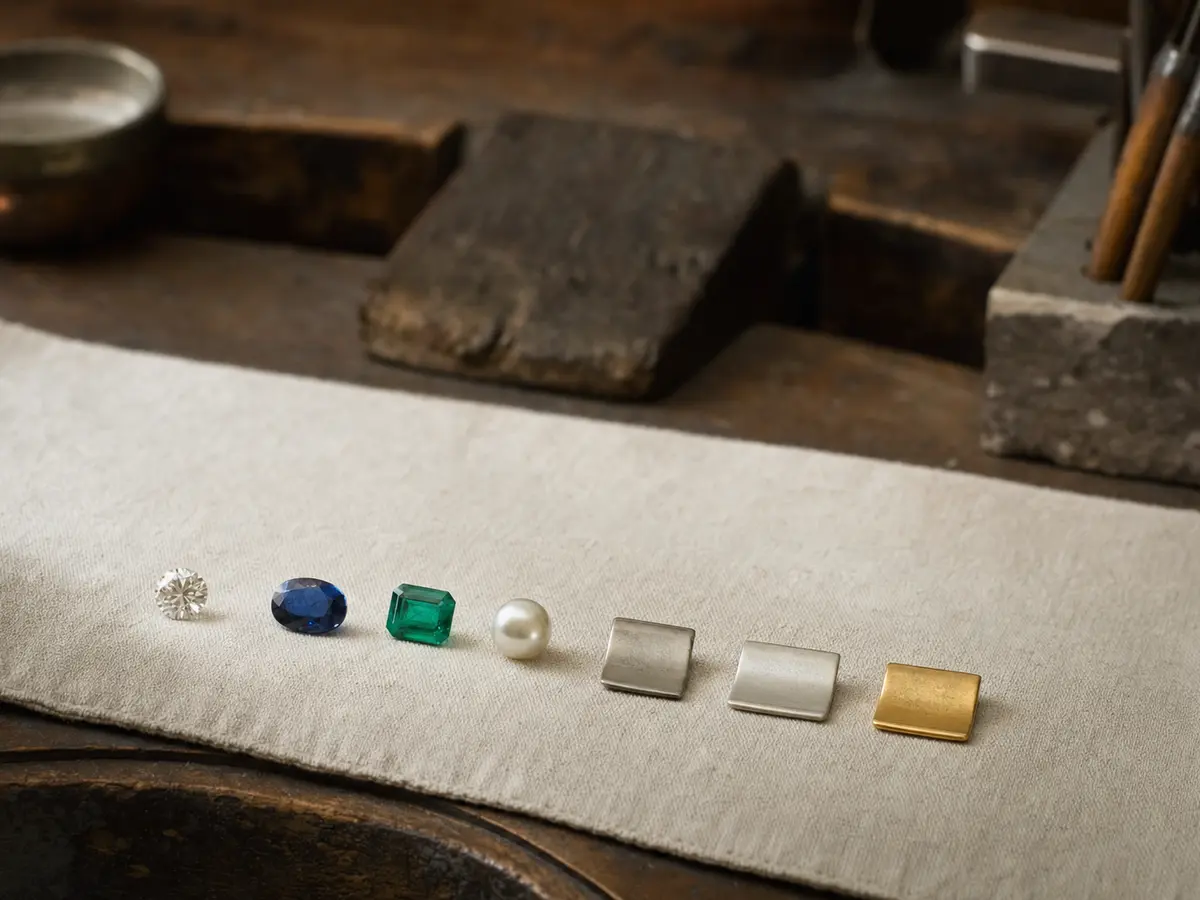
Earrings and pendants collect the same film but from the back, where skin and hair touch them; the method is identical. Pearls are the exception to everything above: no soaking, no detergent, no brush. Wipe them with a damp cloth after wearing, store them flat away from other jewellery, and have them restrung every few years if they are worn often. Silver tarnishes in Johannesburg's dry air more slowly than at the coast but it still does; a silver cloth, not a dip, is the answer.
Nearly every lost stone we are shown was preceded by a year of a claw that anyone could have spotted.
Can I wear my ring in the shower or to bed?
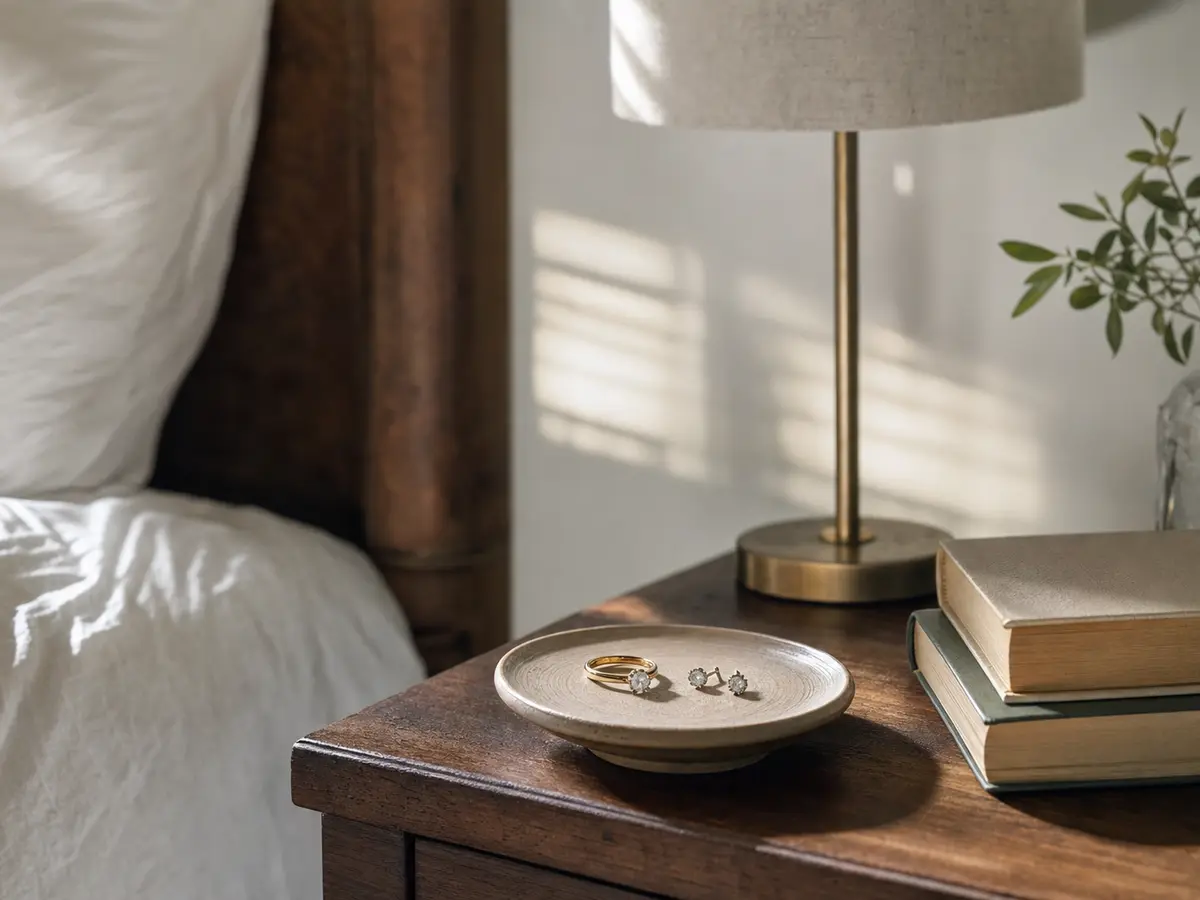
You can, and most people do, but neither helps the ring. Soap and shampoo leave the same film that hand cream does, and a ring worn to bed is the one that snags on bedding and bends a claw over years without anyone noticing. A small dish beside the basin and the bed, used consistently, is the habit that makes the biggest difference. If you do take it off, that is where it goes, not the edge of the sink.
How often should white gold be re-plated?
For a ring worn daily, expect the rhodium plating on white gold to thin at the points of wear within twelve to eighteen months, sooner on a hand that does a lot. It shows as a faint warm tone on the underside of the band before anywhere else. Re-plating is quick and inexpensive and is usually done at the same visit as the annual settings check. Platinum needs no plating, which is one of the reasons it costs more at the start and less over the years.