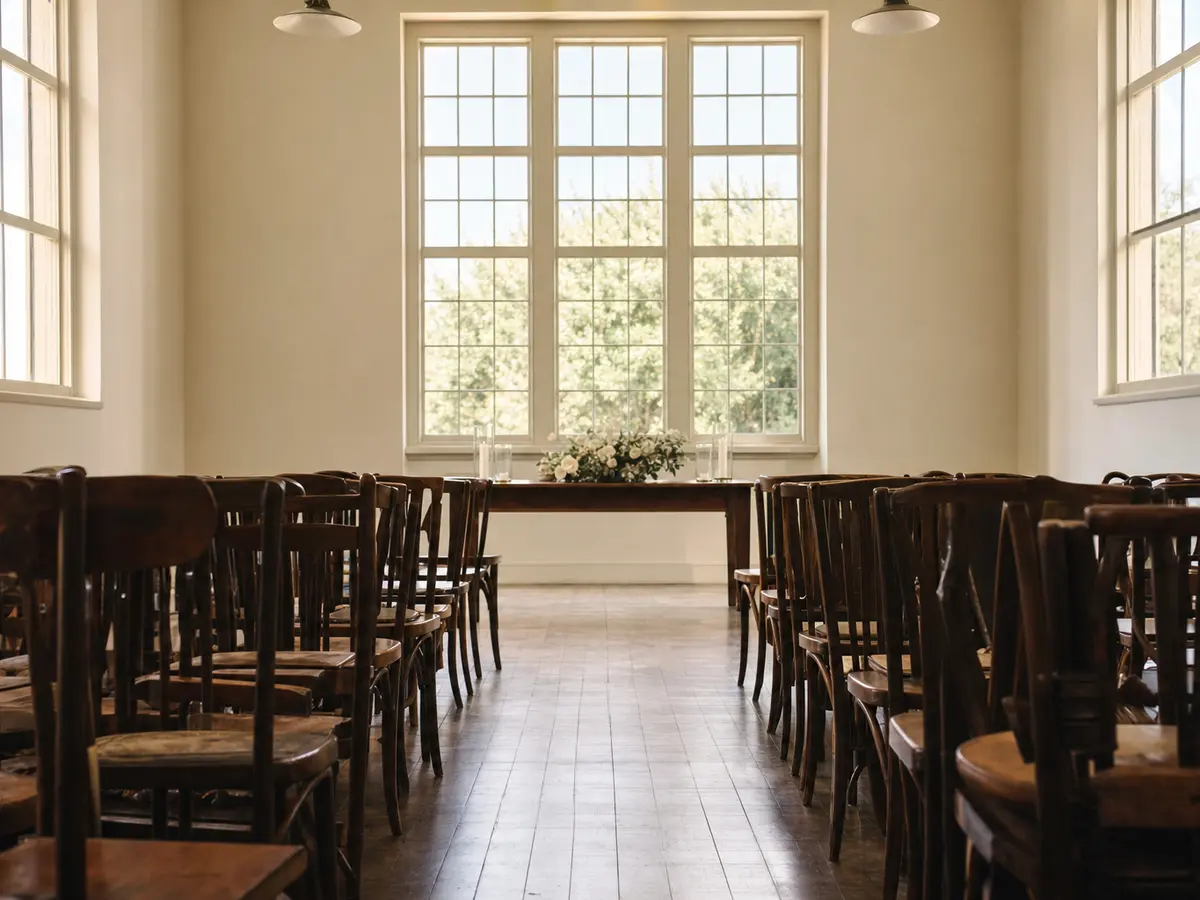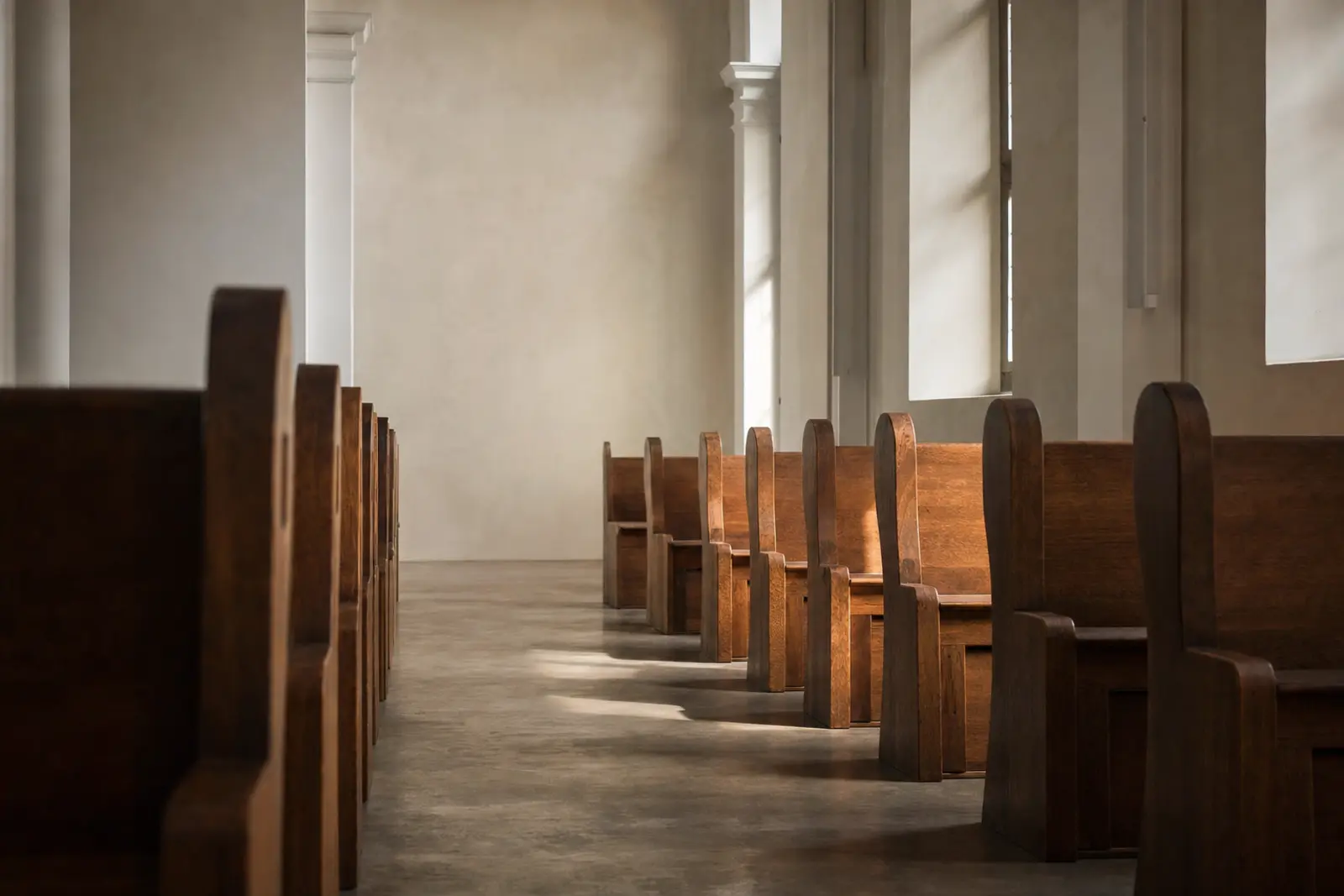
Denomination decides more about a Christian wedding than almost anything else on the list, because a Catholic parish, an Anglican church, a Methodist congregation, a Dutch Reformed gemeente, a Pentecostal or charismatic church, an Orthodox parish and an independent church each set their own requirements before a couple can book a date.
The officiant is the authority, not this page
A priest, minister or pastor sets the actual requirements for your wedding, and those requirements differ by denomination and often by individual church. What one Anglican parish expects of a couple can differ from another Anglican parish two suburbs away, and a Pentecostal church's approach can look nothing like a Catholic parish's. Treat anything general written about a Christian wedding, including this page, as a starting point for a conversation with your own officiant rather than a set of rules to follow.
Membership, preparation and notice
Many denominations expect some form of membership or regular attendance before they will marry a couple, and some ask for a period of preparation or counselling in the months beforehand. Others require a formal notice period, sometimes called banns, published or announced ahead of the wedding. Whether any of this applies to you, and how long it takes, depends entirely on your denomination and your specific church, so raise it with your officiant as one of the first conversations you have.
Church, or another venue with a visiting officiant
Some couples marry in the church their family has belonged to for years. Others prefer a different venue, with their priest, minister or pastor travelling to conduct the ceremony there. Whether your officiant is willing to marry you outside the church building, and what conditions they set if so, is a question worth asking before you commit to a venue rather than after. Music and readings are worth clearing with the officiant too, since some churches restrict what can be used in a service.
Legal registration alongside the religious ceremony
A church ceremony and a legally registered marriage are not automatically the same thing, though many officiants who conduct church weddings are also registered marriage officers who can complete both at once. Confirm your officiant's status directly, and confirm the current registration requirements with Home Affairs, since the administration of marriage law changes and a friend's experience from a few years ago is not a reliable guide.
Capacity, parking and photography policies
Churches vary widely in how many guests they can seat, how parking works on the day, and what they allow during the service itself, from confetti and rice to flash photography near the altar. Popular dates around Easter, December and the start of the school year tend to book out fastest, so raise capacity and any house rules with your officiant early rather than assuming a church you love will simply accommodate your guest list.
- Which denomination and which specific church the ceremony will be held in
- Membership or attendance requirements, and how far ahead the church needs notice
- Any marriage preparation or counselling sessions your denomination expects couples to complete
- Banns or a notice period, if your denomination and church require one
- Music and readings, cleared with the officiant rather than assumed
- Whether the ceremony is held in the church itself or at another venue with a visiting officiant
- Legal registration of the marriage, confirmed with the officiant and Home Affairs
Start with the church and the officiant, not the venue and the flowers. Everything on this list becomes easier once you know what your specific denomination expects.
Do we have to marry in the church we grew up attending?
No, and many couples do not, though some churches give preference to long-standing members when booking dates. If you want to marry somewhere other than the church you grew up in, whether that is a different congregation, a different denomination, or a non-church venue with a visiting officiant, the practicalities differ by church and are worth raising directly with the officiant you approach rather than assumed either way.
How early should we approach a church about a wedding date?
Earlier than most couples expect, particularly for popular dates and for denominations with a required preparation period. A year ahead is a comfortable starting point, and some churches with a formal notice period or counselling programme need that lead time regardless of how flexible your own schedule is. Ask about both the date and the preparation requirements in the same conversation, since one often determines the other.
Can a Christian wedding include readings or music that are not explicitly religious?
Often yes, though it depends entirely on the individual church and officiant. Some are relaxed about secular readings and music within a religious service, others keep the service closely structured around specific texts and music. Bring your ideas to your priest or minister early in the planning rather than assuming they will be approved, so there is time to find alternatives if something is not permitted.
Can family from a different denomination take part in the ceremony?
Often yes, in a reading, a blessing or a specific role in the service, though how much room a particular church makes for this varies and is worth asking about directly. Some officiants are happy to include family members from another denomination or tradition in a defined way, others keep the service closer to their own church's usual structure. Raise it early so there is time to plan around whatever your officiant is comfortable with.