Choosing a hotel wedding venue is a trade you make on purpose: a hotel gives you rooms, a kitchen, trained banqueting staff and, more often than not, a generator that was already there before you booked it, in exchange for sharing the property with people who are not on your guest list.
What a hotel gives you
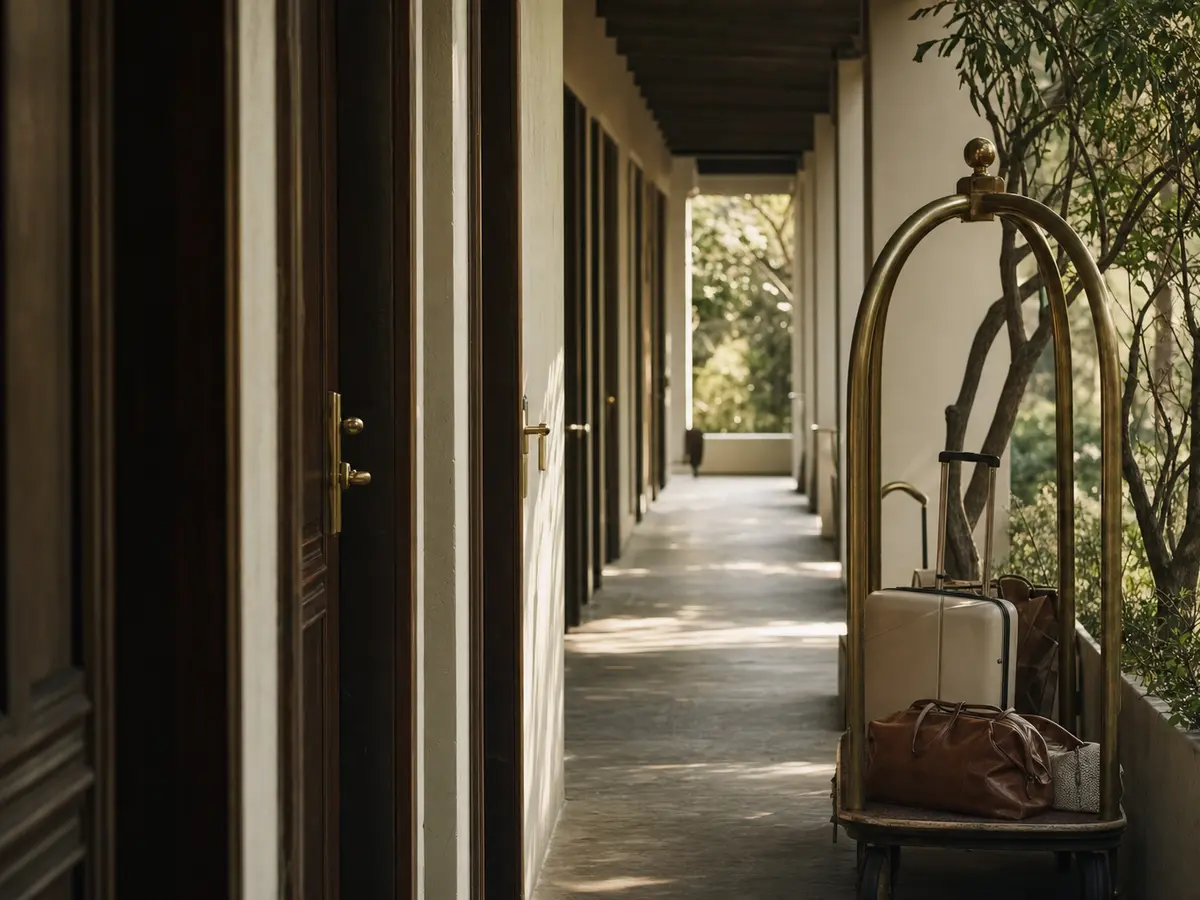
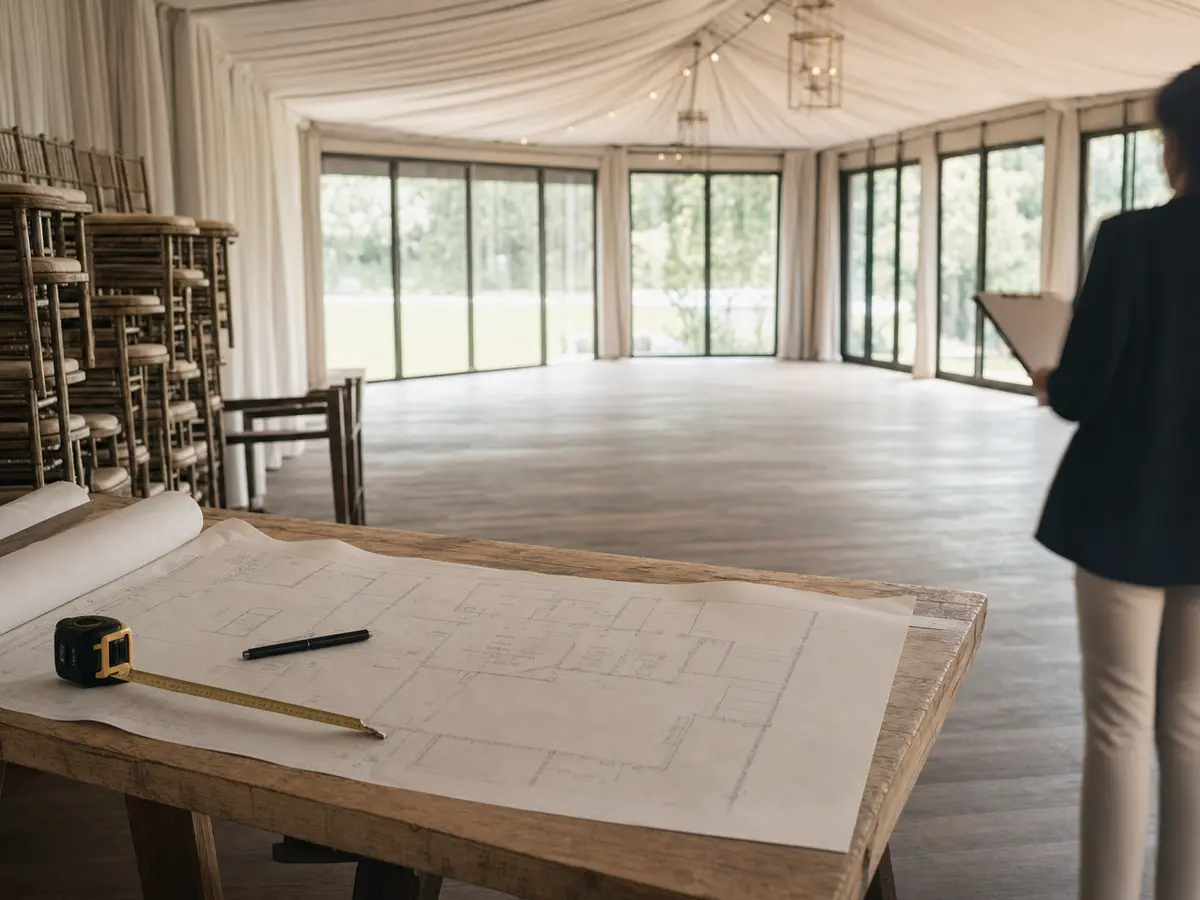
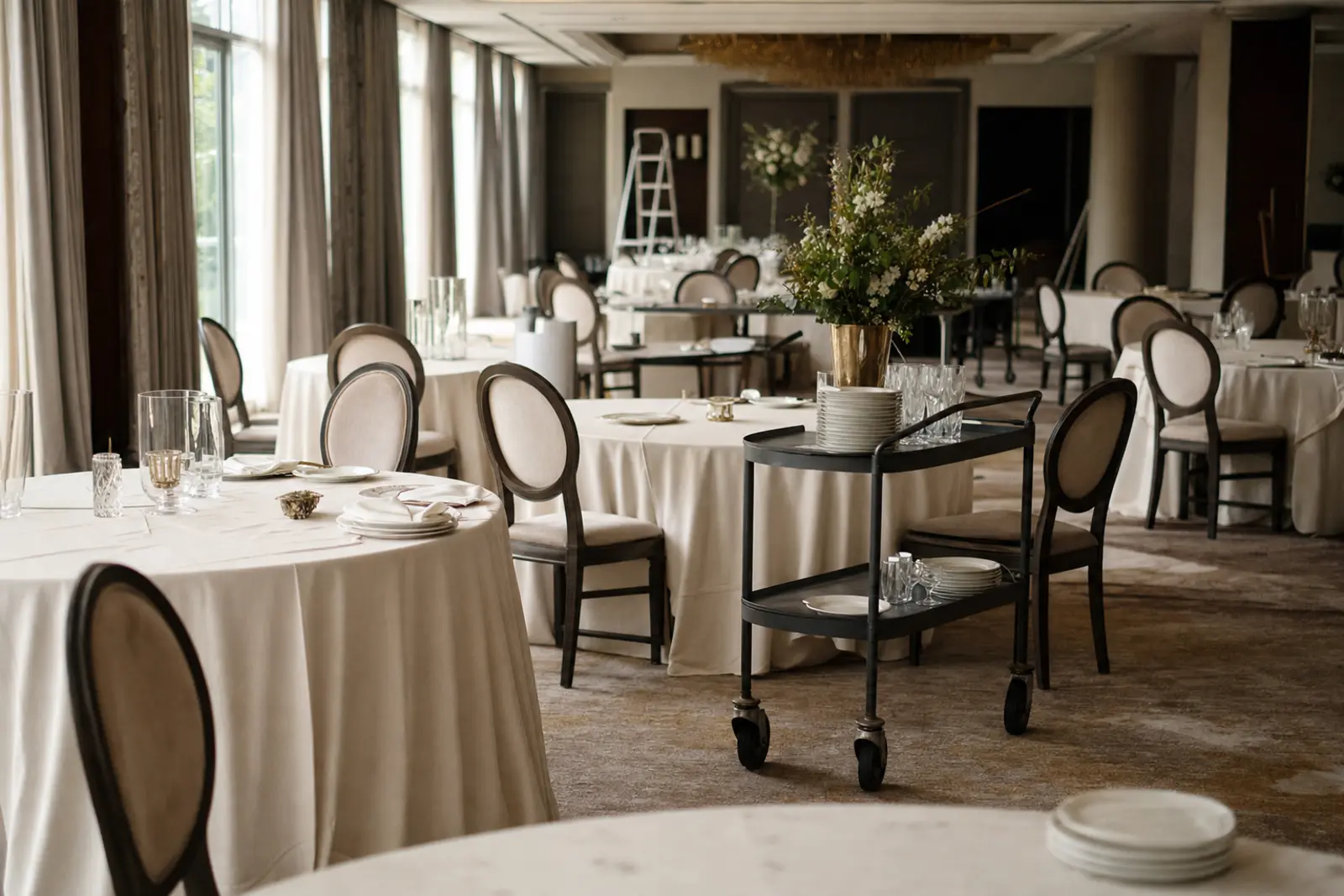
Most hotels come with infrastructure a wedding would otherwise have to hire from somewhere else. There is a kitchen already staffed and already used to plating for two hundred people at once. There is a banqueting team who has turned this exact room from a ceremony layout into a dance floor before, sometimes twice in the same day. There is, in most cases, a generator or an uninterruptible supply that keeps the kitchen and the lights running through load-shedding, because the hotel needs that for its ordinary Tuesday guests, not only for you. And there are rooms upstairs, which matters more than couples expect once family starts arriving from out of town.
What it takes away
The obvious cost is exclusivity. Unless you have contracted the whole property, or a wing set aside for the day, other guests are still in the building: at breakfast the next morning, in the lift, on the pool deck while your photographs are being taken. Some hotels manage this well, with a function wing that reads as separate. Others do not, and you will not know which kind you have booked until you ask directly.
The bar is a second cost. A hotel bar usually serves the whole property, not only your reception, unless you buy it out for the evening or the hotel has a separate function bar. Ask which applies before you assume your guests are drinking among themselves.
Then there is the minimum spend and the room block. Many hotels will only hold a date against a guaranteed minimum on food and beverage, a guaranteed number of guest rooms booked by your party, or both. Fall short on either and the shortfall is usually billed, not waived.
City hotel or country hotel
A city hotel earns its keep on convenience: parking, valet, a short trip for guests flying in, and a building designed for events, which usually means the sound and the flow are already solved. What it rarely offers is grounds, so photographs happen on a rooftop, in a courtyard or off-site.
A country or lodge-style hotel usually has the opposite trade: more land, its own farm-style kitchen, a longer drive for guests, but often genuine exclusivity because there may be nobody else booked into a small property that weekend. Highveld afternoon storms and coastal wind both matter more here, because more of the day happens outdoors.
The questions worth asking before you sign
- Is the whole property contracted for the day, or only the function room and a set number of guest rooms?
- What is the minimum spend, and what happens if the final guest count comes in under the room block?
- Who else is booked into the hotel that weekend, and where might your event and theirs share a space?
- Does the hotel's backup power cover the kitchen and the lifts, not only the function room lighting?
- Is the hotel's own kitchen the only catering option, or can an outside caterer be brought in for part of the day?
- What is the cancellation and rescheduling policy, and how far out does it start to bite?
A hotel wedding works best once you stop trying to make the building disappear and instead use what it is good at: the kitchen, the staff, the rooms upstairs. The properties that feel private on the day are usually the ones where somebody asked the awkward questions first.
Can we book out an entire hotel for a wedding?
At some properties, yes, particularly smaller or boutique hotels, and it is worth asking directly rather than assuming it is off the table. Expect a higher minimum spend or a larger room block in exchange for exclusive use, and confirm in writing exactly what is included: the whole building, specific floors, or just the function spaces. Larger hotels with regular corporate trade are less likely to close the property for one event, but individual floors or wings are sometimes available.
Do hotels always require their own catering?
Most do, since the kitchen and banqueting team are part of what the venue fee is paying for, and the hotel has liability and food-safety reasons to keep control of what leaves its kitchen. Some allow an outside caterer for a specific element, such as a cake or a meal prepared elsewhere under a specific catering requirement, with the hotel's kitchen handling the rest. Confirm this in the contract rather than in conversation, and ask what corkage or plating fees apply.
What is a room block, and why does a hotel ask for one?
A room block is a set number of guest rooms the hotel expects your wedding party to fill over the weekend, usually at a discounted rate in exchange for the commitment. It protects the hotel's revenue on a date it could otherwise sell to other guests. If your out-of-town numbers are genuinely lower than the block, negotiate the number down before signing rather than after, since most contracts bill the shortfall at the end of the weekend.