Same-sex marriage is legally recognised in South Africa, and a same-sex wedding is planned the same way any wedding is, except for a handful of decisions that same-sex couples still have to think through and opposite-sex couples generally do not.
Officiants: ask directly rather than assume
Not every officiant, religious or civil, is willing to conduct a same-sex ceremony, and this varies by individual rather than by any single rule you can rely on. Ask directly and early, before you get attached to a particular person or a particular venue's in-house officiant, and confirm the current legal position on who is required to marry you and who is entitled to decline directly with Home Affairs, since the detail is worth checking rather than assuming.
Suppliers who are genuinely comfortable
Most suppliers are entirely comfortable working on a same-sex wedding, but the way to find out is to ask plainly rather than guess from a website or a portfolio. A supplier's answer to a direct question, and how quickly and warmly they give it, tells you far more than any amount of marketing language does.
The family conversation
If either family needs time to adjust, that is a separate conversation from the wedding planning itself, and it is worth having it as early as possible rather than letting it collide with decisions about the guest list or the day's structure. You are allowed to give family time without letting their pace dictate your own.
Two rings, and language that makes no assumptions
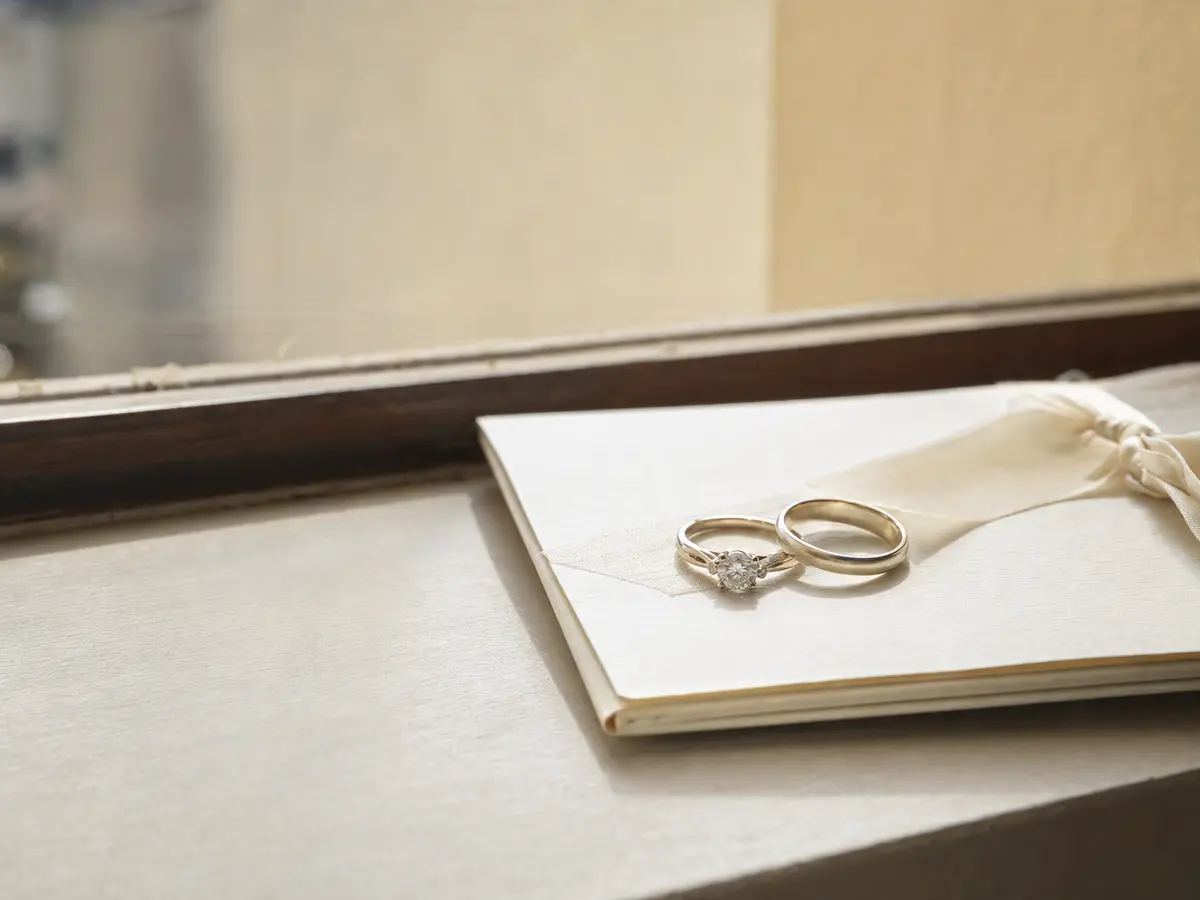
Two rings and how they relate to each other, in metal, width or design, is worth discussing openly with your jeweller rather than defaulting to a template built around traditional gender roles. The same principle applies to invitations and programmes: choose language that describes the two of you accurately rather than language borrowed from a format that assumed one bride and one groom.
Guest list and wider family
Not every relative will react the same way, and it is worth deciding early who is invited regardless of how they feel about the marriage, rather than letting the guest list be renegotiated as opinions surface. Some couples choose to have a frank conversation with any relative they expect to object, ahead of the invitations going out, so the day itself is not where that conversation happens for the first time.
- Which officiants in your area are willing to conduct a same-sex ceremony, confirmed directly rather than assumed
- Suppliers who are genuinely comfortable, checked by asking rather than guessing from a website
- How to talk to family who may need time, without letting it dictate the day
- Two rings and how they relate to each other, discussed with your jeweller
- Language on invitations and programmes that does not assume traditional roles
- Legal registration of the marriage, confirmed with Home Affairs
None of this needs to be complicated, and most of it comes down to the same habit: ask directly, rather than guess on anyone's behalf, including your own.
Is same-sex marriage fully legally recognised in South Africa?
Yes, South African law recognises same-sex marriage, though the detail of how it is administered, and which specific officiants are required or permitted to conduct it, is worth confirming directly with Home Affairs rather than assumed from general knowledge, since administration and guidance can change. Treat any general statement here, including this one, as a starting point rather than the final word on your specific situation.
How do we find suppliers who will genuinely welcome a same-sex wedding?
Ask directly during your first conversation with any supplier, rather than trying to read the answer from their marketing. Most will answer plainly and warmly, and the ones who hesitate or answer vaguely have told you something useful too. Recommendations from other same-sex couples who have planned weddings recently are worth more than a general search, if you are able to find them.