A proposal photographer's entire job is to be forgotten in the moment and remembered afterwards only in the photographs, and that takes more planning than simply pointing a long lens from a distance. The arrangements matter as much as the equipment.
Distance and a long lens
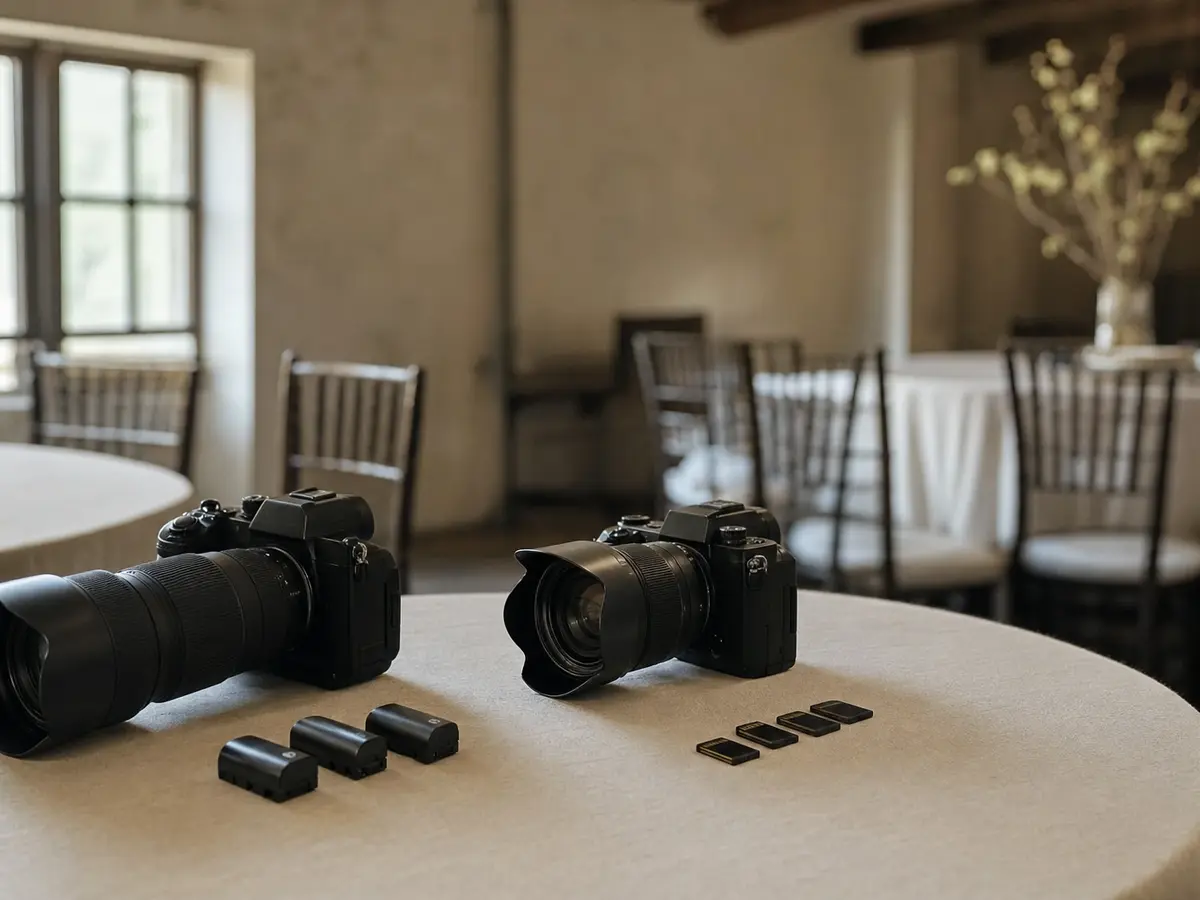
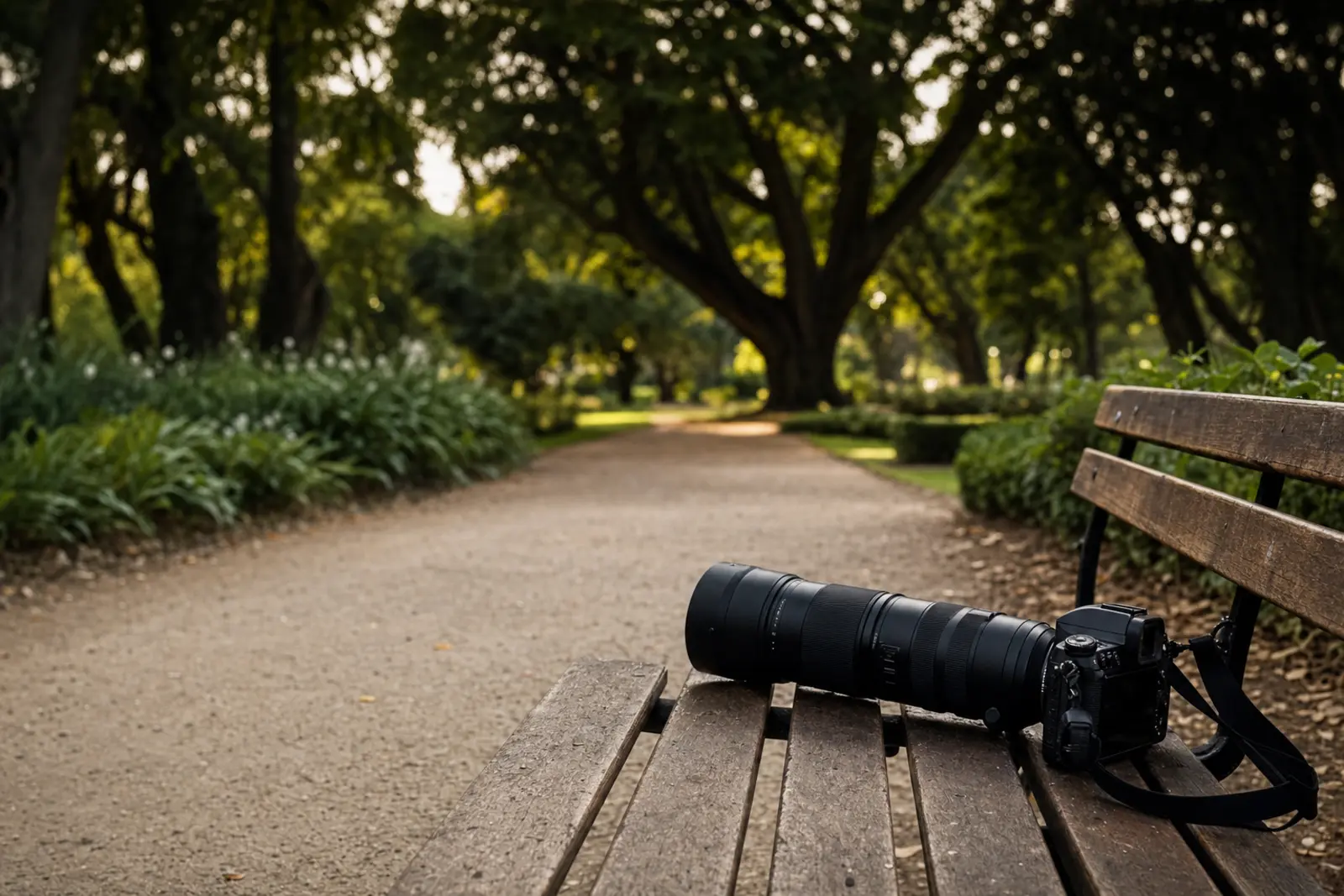
A photographer working a proposal well is rarely closer than thirty or forty metres, sometimes considerably further, using a long lens rather than approaching for a tighter shot. At that distance a photographer reads as another visitor to a park or a garden rather than someone watching a specific couple, which is exactly the point. Ask any photographer you are considering how they typically position themselves for this kind of work, and be wary of anyone whose plan involves getting close.
Put the brief in writing
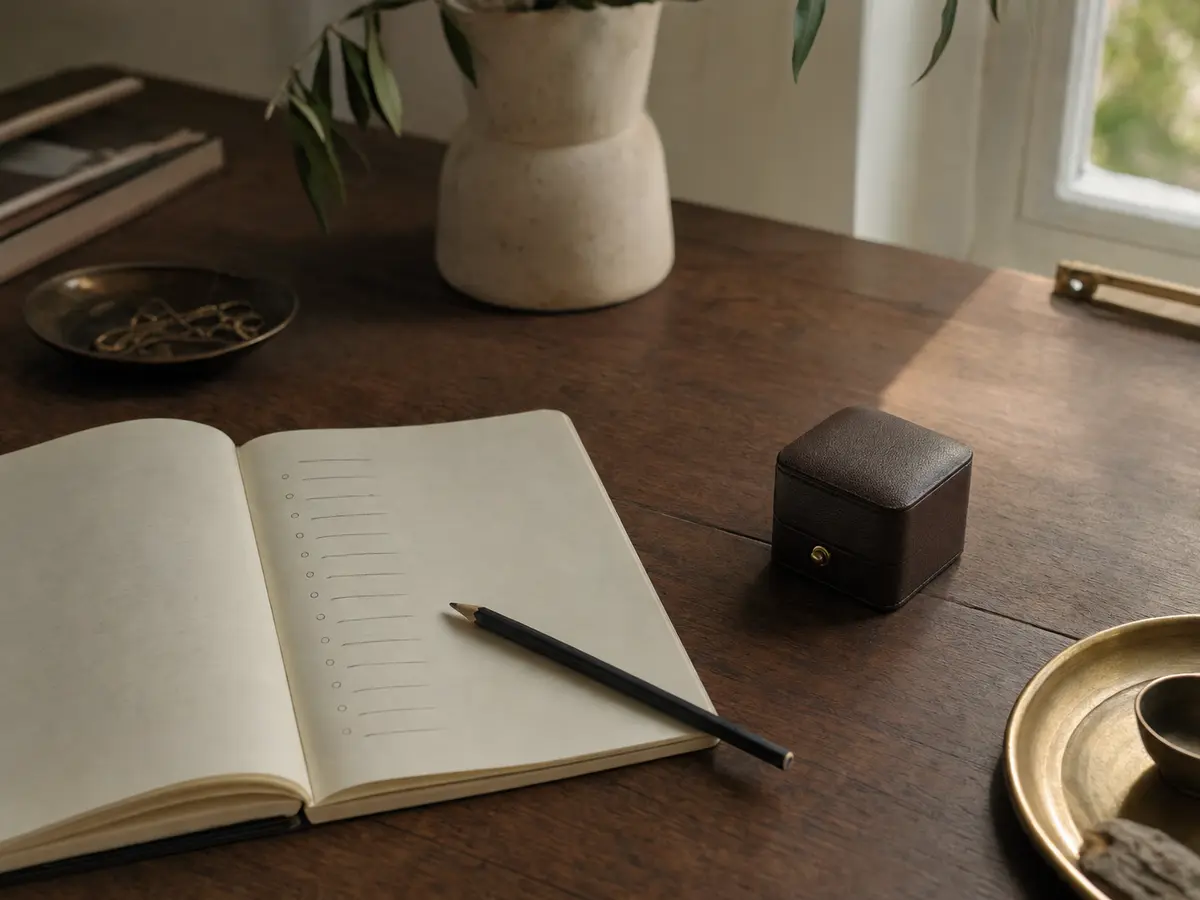
A verbal conversation the week before is easy to half-remember under pressure on the day. A short written brief, sent in advance and confirmed again the morning of, removes that risk. It should cover the exact setting and a backup for weather or a change of plan, the rough time window rather than a single fixed minute, since proposals rarely happen on the second, and a clear description of the two of you so the photographer is never guessing which couple in a public space is the right one.
- Confirm the setting, the backup setting, and the rough time window in writing, not just by phone.
- Describe the two of you clearly enough that there is no ambiguity in a public place.
- Agree a discreet signal for when the moment is close, such as a specific text message.
- Agree what happens if she notices the camera, including a plan to stop shooting if asked to.
- Confirm how and when photographs will be delivered, and to whom, after the proposal.
Timing signals, and what happens if she notices
The most common failure is not a missed photograph, it is a photographer arriving too early and being noticed standing around with nothing to do, or arriving too late and missing the moment entirely. A short, private signal sent a few minutes ahead, agreed beforehand, solves most of this. If she does notice the camera before the question is asked, the photographer should have a clear instruction from you in advance about whether to keep shooting or step back, rather than improvising in the moment.
Consent, after the fact
She has not consented to being photographed at the point the question is asked, because she does not know it is happening. That consent needs to be sought properly afterwards, before anything is shared anywhere beyond the two of you: showing her the photographs, asking plainly whether she is comfortable with them being posted or shown to family, and respecting the answer if it is no. A proposal photograph she has not agreed to share publicly should stay private.
This matters more than it might seem in the moment. Some people are genuinely uncomfortable seeing themselves mid-reaction, tears or all, shared with people they have not chosen to share it with, however flattering the photographer's eye has been. Treat the delivered set of photographs as hers to decide on jointly with you, not as content that belongs automatically to whoever arranged the shoot.
Choosing who to brief
Not every wedding or portrait photographer has done proposal work specifically, and the skill involved is closer to discreet documentary photography than to a posed shoot. Ask directly whether they have arranged a hidden or long-lens proposal before, how they typically position themselves, and how they handle a couple who moves unpredictably around a setting rather than standing still for a portrait. A photographer who answers these questions comfortably has almost certainly done the work before.
The best proposal photography is judged afterwards by how little either of you can remember noticing the photographer at all. Everything above exists to make that true.
How far away should the photographer actually be?
Far enough that a person glancing around the setting would not register them as anything other than another visitor, which in most public settings means thirty metres or more, working with a long lens rather than approaching. The exact distance depends on the setting: a quiet garden allows more distance than a crowded public space, where blending into a crowd matters more than raw distance.
What if she notices the photographer before I ask the question?
It usually does not ruin the moment, though it can change it. Decide in advance, and tell the photographer clearly, whether you would rather they keep shooting discreetly or step back entirely if noticed. Most people are more curious than upset in the moment itself, and many say afterwards that noticing added a small extra flutter of anticipation rather than spoiling anything.