A private estate gives a wedding something a hotel or a restaurant cannot: an empty property with nobody else's day happening in it. That freedom has a cost, and the cost is that almost everything the property does not already have becomes something you now have to hire.
The freedom, and what it actually means
There is no other wedding sharing the lawn, the parking or the timeline. The ceremony can run to your own schedule rather than around another event finishing in the same room an hour before. Furniture, flow and the order of the day can all be built from scratch rather than fitted around a fixed floor plan someone else designed for a different kind of function. For a couple who wants the day built from nothing rather than fitted into a package, this is the main reason to choose a private estate over almost anything else on this list.
Everything you now hire
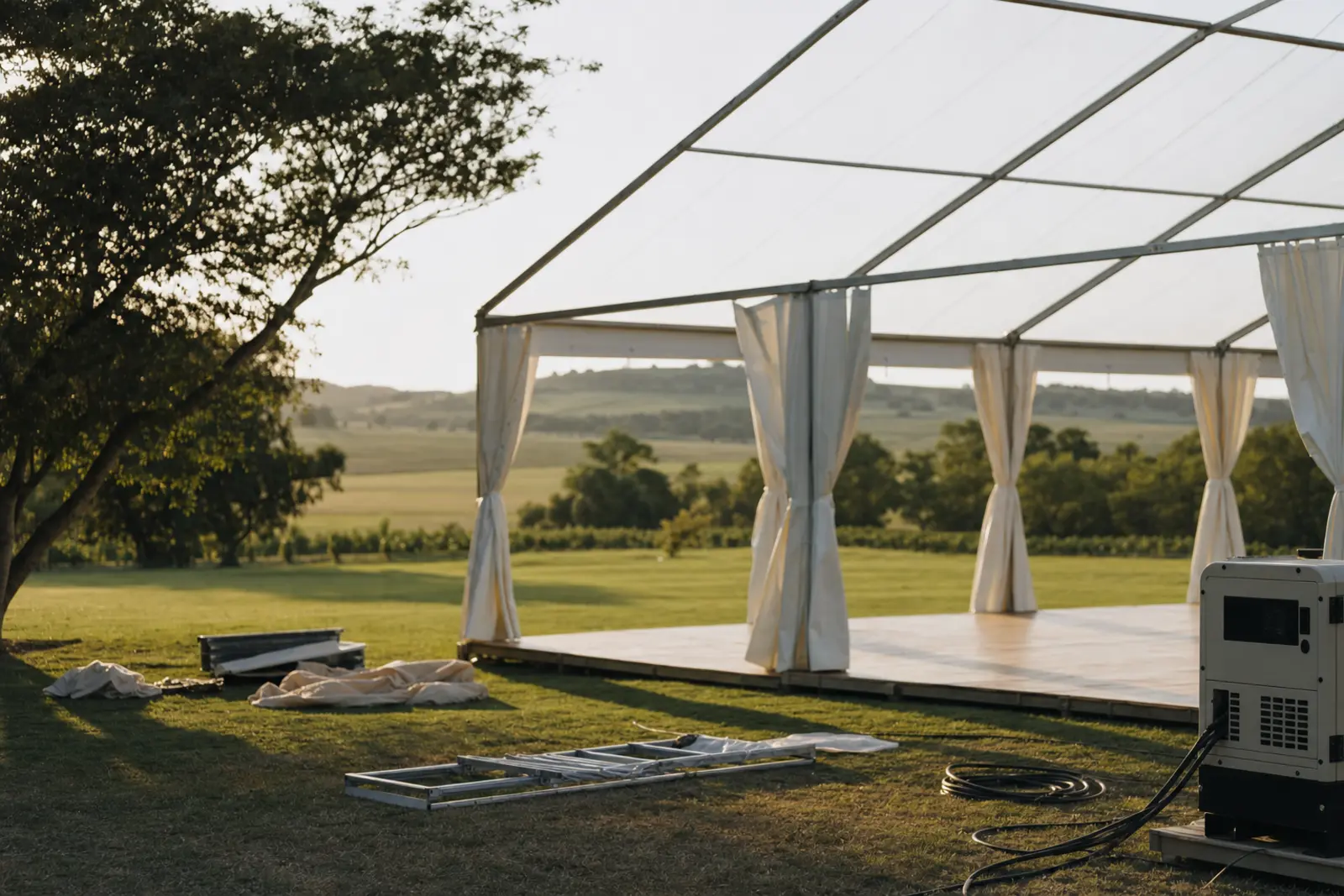
- A marquee or structure, if the property's existing buildings do not hold your numbers or your weather backup.
- A catering kitchen, built or hired in, since many estates have a house kitchen sized for a family, not two hundred plated meals.
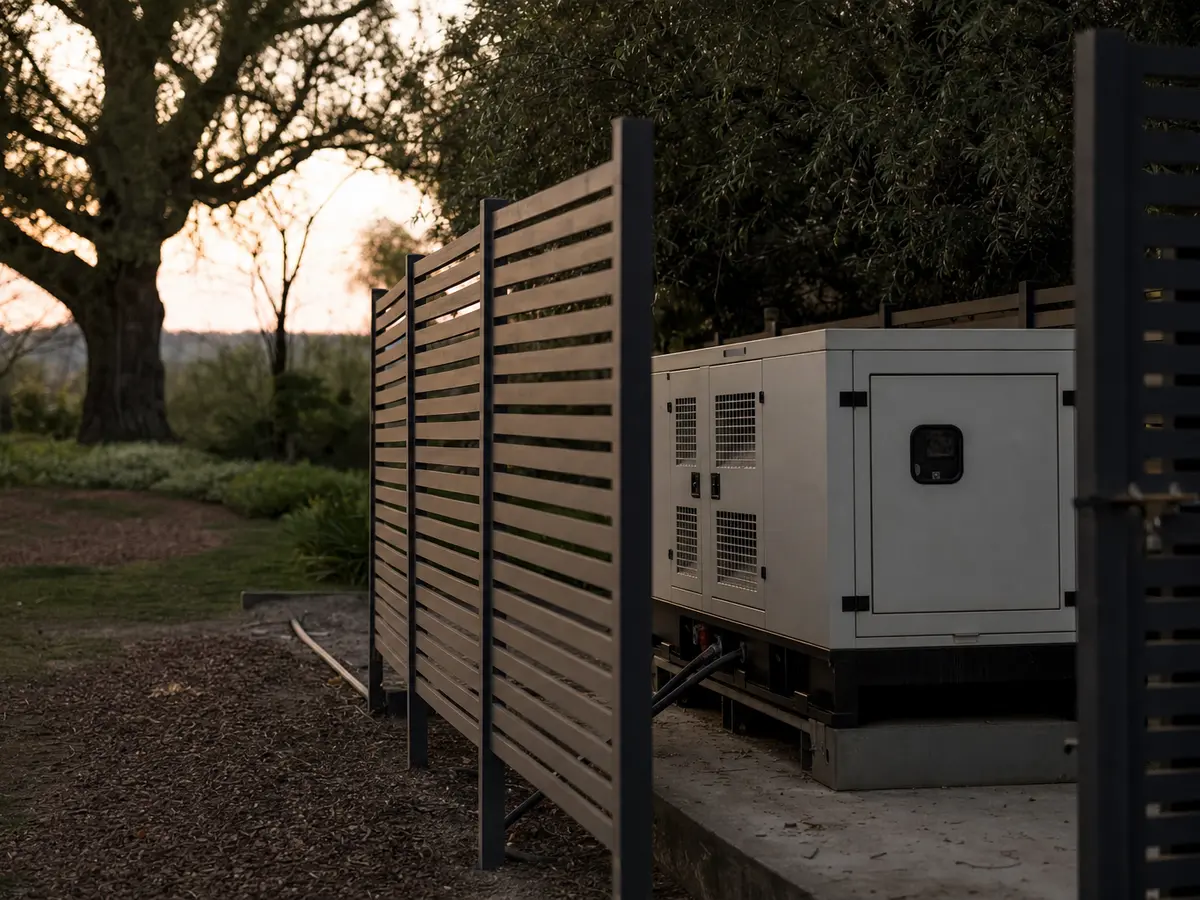
- Power: a generator sized for catering equipment, lighting, sound and phone signal for the whole evening, not only the ceremony hour.
- Ablutions: portable or upgraded toilets, if the property's own bathrooms were never meant for two hundred guests at once.
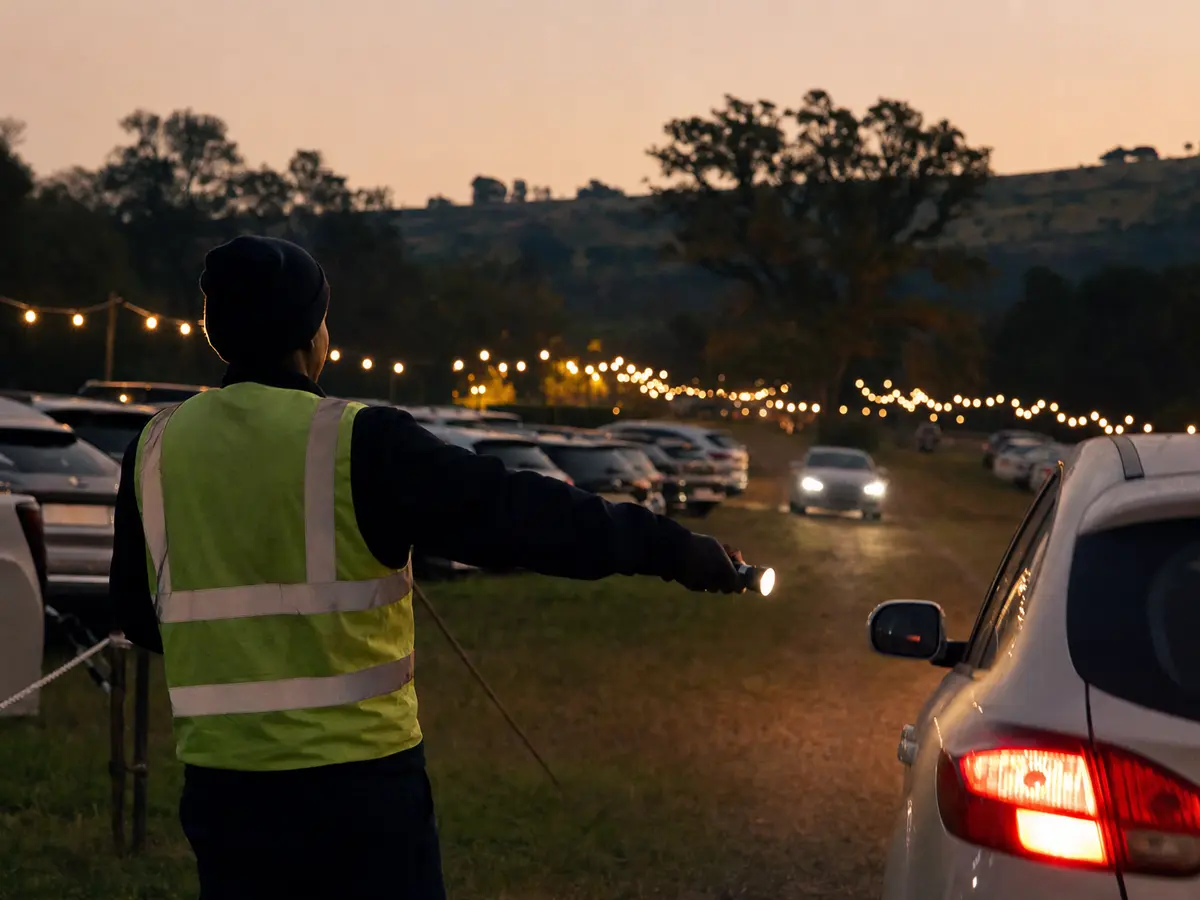
- Staff: waitrons, bar staff, a duty manager on site who is not you, security at the gate, and someone parking cars.
Exclusivity and the neighbours
A private estate is usually genuinely exclusive: one wedding a weekend, sometimes one wedding a month. Rural land, though, comes with neighbours, and neighbours come with curfews.
Roads after rain
A gravel road that is fine in the dry season can become a genuine problem after a Highveld storm or a Cape winter front. Ask about low-water crossings, whether the road needs a higher-clearance vehicle in wet weather, and what the plan is for guest transport if the road is compromised on the day. Viewing the property on a clear morning tells you nothing about how it behaves after two days of rain.
Accommodation on and near the estate
Some private estates have guest cottages on site that sleep a portion of the wedding party. The rest need somewhere nearby, which for a rural property can be a genuine drive rather than a short walk. Ask how many guests the on-site accommodation truly sleeps, and plan a shuttle or block-book a nearby town well ahead of the date.
The hire fee versus the true cost
The venue hire fee is often the smallest line item once the marquee, kitchen, generator, ablutions, staffing and security are added. Some estates mandate a preferred-supplier list rather than an open choice, which removes flexibility but simplifies quoting; others let you bring your own suppliers and simply charge a site fee for the privilege. Ask for that full list before comparing a private estate's headline fee to a hotel's all-in package. They are rarely the same kind of number, and the estate that looked cheapest on the first phone call is not always the cheapest once every hire item has a quote against it.
- Get the full list of mandatory or preferred suppliers the estate requires, and price those against your own quotes.
- Confirm the noise curfew time in writing, and who is responsible if it is broken.
- Ask whether the hire fee includes the generator, or whether that is hired separately.
- Check the road in wet weather, not only in the dry season you viewed it in.
- Confirm how many guests the on-site accommodation genuinely sleeps, and book the rest early.
Is a private estate more expensive than a hotel?
Often the headline hire fee is lower, which is part of the appeal, but the true cost once a marquee, kitchen, generator, ablutions and staffing are added can equal or exceed a hotel's all-in package for the same guest count. Ask every private estate for a full costed comparison rather than comparing the hire fee alone, and get quotes for every item you would otherwise have to hire yourself.
Do private estates have backup power for load-shedding?
Some do as standard, but many do not, and a generator is usually a separate hire priced by fuel and hours rather than included in the venue fee. Confirm what the generator is expected to cover: kitchen equipment and sound draw far more power than lighting alone, and an undersized generator will fail exactly when you need it most.
What happens if it rains on a private estate wedding?
That depends entirely on the weather backup you arrange, since a private estate rarely has a built-in indoor space the way a hotel does. A marquee with proper sides and flooring is the usual answer, but confirm this is genuinely part of the plan and not an afterthought. A rain-and-backup guide is worth reading alongside this one before you sign anything.
The estates that feel effortless on the day are the ones where somebody worked out, months earlier, exactly who was responsible for the generator.