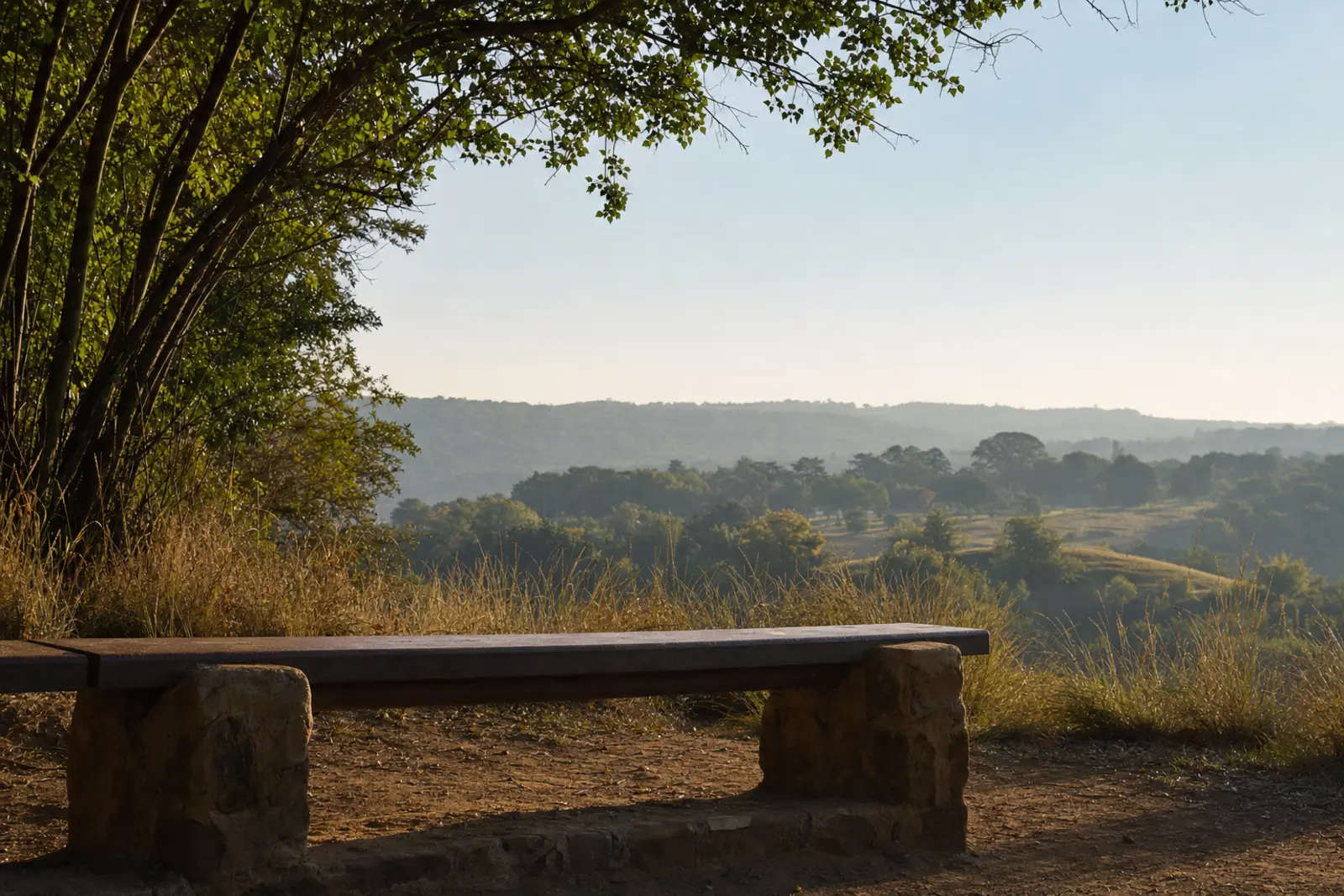
Sunset looks better in the photograph and morning is easier on almost everything else, which is why the choice between them comes down to what you are actually optimising for: the image, or the experience of the rest of the day around it.
What morning gives you
Early light is soft and even rather than dramatic, which flatters most faces better than the harder, more directional light later in the day. Popular spots are genuinely quiet before nine, especially on a weekday, so you are far less likely to share the view with a tour group or another couple with the same idea. It is also cooler, which matters more than people expect in a Highveld or bushveld summer, and it leaves the entire rest of the day free to celebrate, tell people, or simply carry on without racing against fading light.
What sunset gives you
The light itself is the whole argument for sunset: warm, directional and genuinely beautiful, which is why it remains the default choice for so many proposals. The trade-off is that everyone else wants the same hour at the same well-known viewpoints, so popular spots fill up in the final hour before the sun goes down. Once it is over, you are moving straight into darkness, which shapes whatever comes next, dinner, drinks, telling family, around low light rather than an open afternoon.
Wind is a separate problem from light
Wind follows its own clock, not the sun's, and it is worth checking separately from the light forecast. On the Cape coast the afternoon south-easter typically builds through the day and is at its worst in the hours either side of sunset in summer, which can undo an otherwise well-planned golden-hour proposal. Highveld evenings tend to be calmer than Highveld afternoons, since the same summer convection that drives the region's storms usually settles down once the sun starts to drop. Check the forecast for wind at the specific hour you are planning, not just for the day as a whole.
What photographers actually prefer
If you are arranging a photographer, ask about timing rather than assuming sunset itself is the target. Many prefer to work in the hour before the sun actually sets, when the light is warm and directional but still even, rather than in the final few minutes when colour and exposure shift quickly and there is very little margin for error. A photographer working to that earlier window also has more flexibility if the moment runs a little later or earlier than planned.
What the hour does to the rest of the day
A morning proposal tends to sit at the start of a day you both still get to have, rather than at the end of one spent managing secrecy and logistics. A sunset proposal is usually the final act of a day already built around hiding the plan, which some people enjoy as a build-up and others find genuinely stressful to sustain for that long. Neither hour is wrong. Consider which shape of day, one that opens up afterwards or one that closes the day out, actually suits the two of you.
- Crowds
- Sunset viewpoints fill up in the final hour before sunset; mornings before nine are quiet
- Heat
- Highveld and bushveld mornings stay cool for longer; sunset can still be hot in midsummer
- Photography
- Many photographers favour the hour before sunset, not the exact moment, for consistent light
- What follows
- Morning leaves the day open; sunset moves straight into evening and darkness
Pick the hour that suits the day you actually want afterwards, and let the light be a factor rather than the deciding one.
Is sunset always the safest choice for photographs?
It is the most reliably attractive light, but not necessarily the safest choice overall. The window is short, popular locations get busy at exactly that hour, and a photographer has very little margin if the timing slips by even ten minutes. Morning light is more forgiving on all three counts, even if it lacks the dramatic colour that sunset is known for.
What about a proposal at midday?
It is possible, and it removes the light problem entirely by not competing for either the softest or the warmest hour, but midday sun in South Africa is harsh and unflattering in most outdoor settings, and it is often the hottest and busiest part of the day at popular spots. If midday is the only time available, an indoor or shaded setting usually works better than an exposed outdoor one.