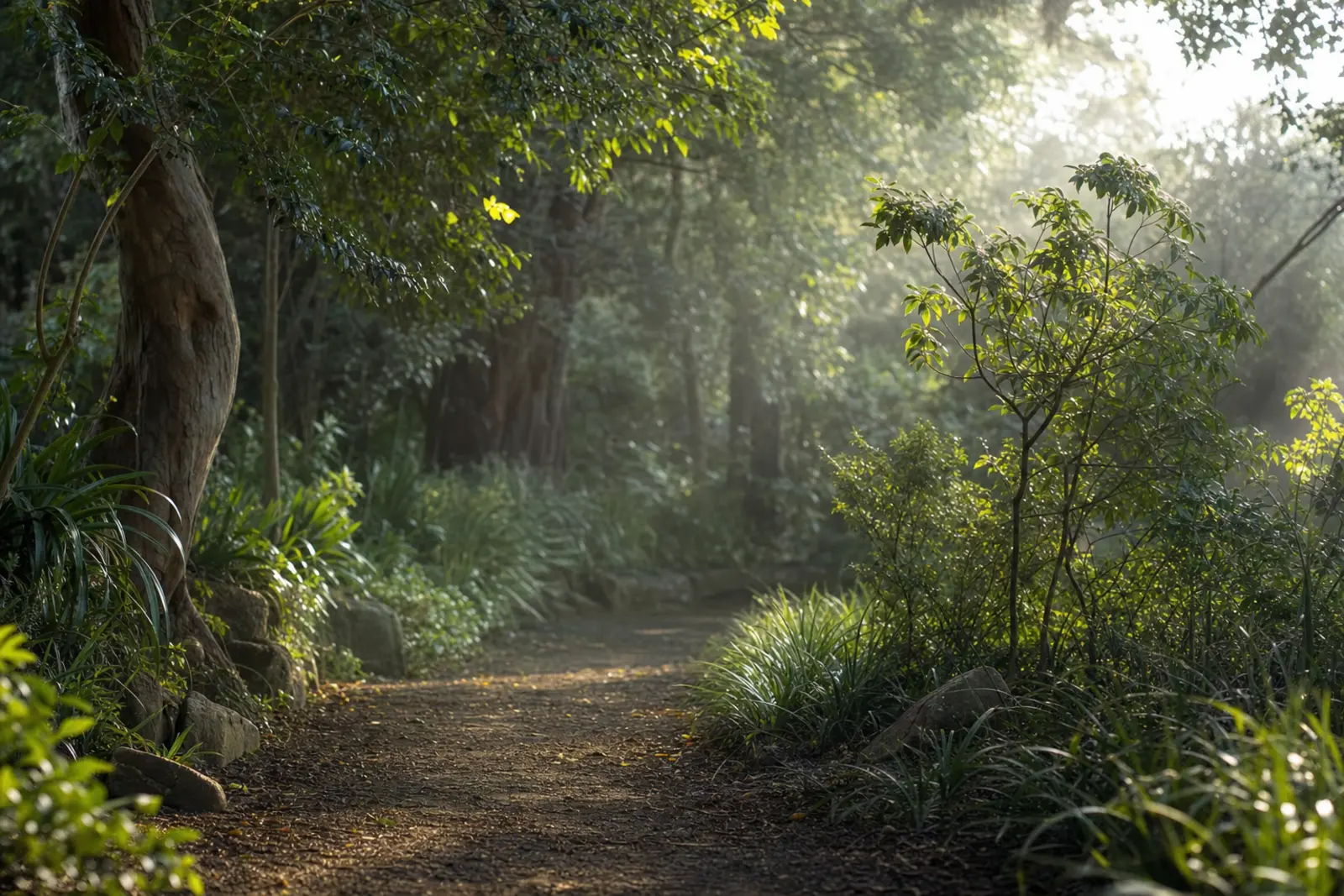
A garden proposal lives or dies on timing more than on which garden you choose: the same path that is genuinely private at seven in the morning can have a dog walker, a jogger and a tour group on it by ten.
Public garden or private garden
A public botanical garden gives you scale, planting nobody maintains for free at home, and a genuine sense of occasion, at the cost of other visitors and, at some gardens, formal rules about photography or group size once you look like an organised event rather than two people walking. A private garden, whether your own, a family member's, or one you can arrange access to, gives you total control over who else is there, usually at the cost of some of the scale and drama a public garden offers.
Weather does more here than it does on a terrace
Wind moves through trees and shrubs in a way it does not across an open terrace, which can mean rustling leaves rather than a difficult breeze, generally a help rather than a hindrance for privacy. Rain is the bigger risk: a garden proposal has fewer covered fallback options nearby than a restaurant or hotel does, so check the forecast closely and have a genuine plan B, not just an umbrella, if the sky looks uncertain.
The ground, the insects and other small things
If you are planning to kneel, check the actual spot for mud, uneven paving or anything that will visibly mark a pair of trousers. Early morning dew is a common and avoidable problem. Depending on the season and the garden, insects can also be a real, unglamorous consideration, particularly near water features or in the hour around dusk; a garden that looks perfect in a photograph online is not always as comfortable to stand in for ten minutes as it appears.
Light through the leaves
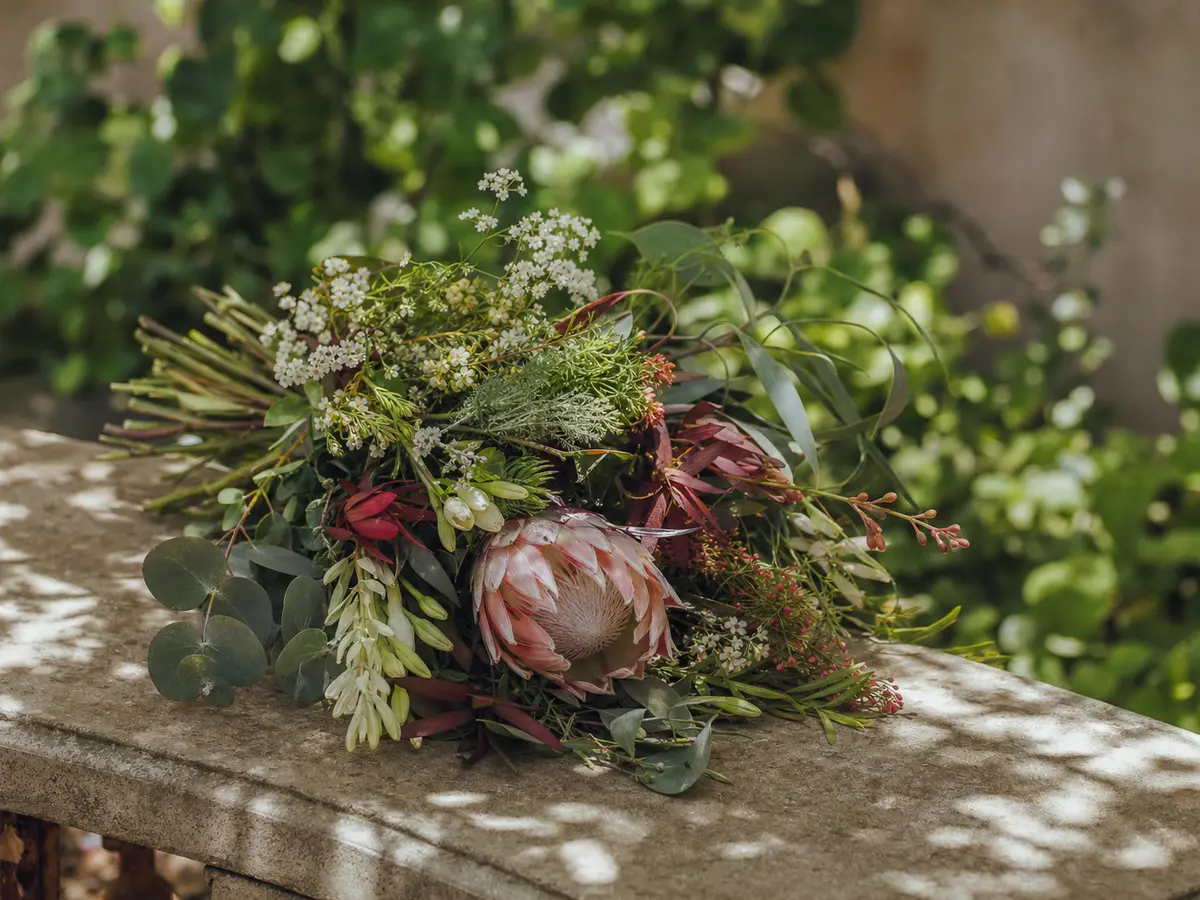
Dappled shade is flattering in a way direct sun rarely is, softening shadows and giving a photograph warmth without anyone needing to squint into the light. It also changes quickly as the sun moves, so a spot that looks perfect at eight can be patchy and uneven by half past. If photographs matter to you, scout the actual spot at the time of day you are planning to be there, not at a different hour when the light will have moved on.
Other people, and what to do about them
Gardens attract dog walkers, joggers, families and, at the larger public gardens, tour groups on a schedule. Early morning, generally before nine, is the most reliable way to have a path close to yourselves without any arrangement at all. If you want a specific spot held or a larger setup, such as a photographer with visible equipment, check with the garden in advance, since several treat this differently to two visitors passing through.
- Go early, generally before nine, for the quietest version of any public garden.
- Have a genuine plan B for rain, not only an umbrella.
- Check the exact spot for mud or dew if you are planning to kneel.
- Confirm rules on photography or group size with a public garden in advance if your plan is larger than two people walking.
- Consider insects around water features and at dusk before you commit to a specific bench or spot.
The garden itself rarely needs help. What it needs from you is an early start and a plan for the one thing gardens do without warning, which is turn wet.
Do we need permission to propose in a public botanical garden?
For the two of you, generally no beyond the usual entry ticket, since walking through and stopping somewhere quiet is exactly what the garden is there for. Where it changes is if you bring a photographer with visible equipment, a larger group, or anything that reads as an organised event rather than two visitors; several gardens ask for advance notice for that. Confirm current rules with the specific garden rather than assuming they are the same everywhere.
What is the best time of day for a garden proposal?
Early morning, generally the first hour or two after opening, gives you the quietest paths and often the softest light, since the sun is still low and has not flattened the colour out of the planting yet. Late afternoon, an hour or so before closing, is the second-best option and suits couples who would rather not manage an early start. The middle of the day, particularly on a weekend, is when most public gardens are at their busiest.
How do we handle a garden proposal if it starts raining?
Have a specific fallback already chosen, ideally under cover and within a short walk, such as a garden's own visitor centre, a nearby café, or simply the car. Treat a shower as a genuine possibility rather than something to hope around, particularly outside the driest months, and decide in advance whether you would rather wait it out somewhere dry or carry on if it is light. Either can work, provided you have actually talked about which one you would prefer.