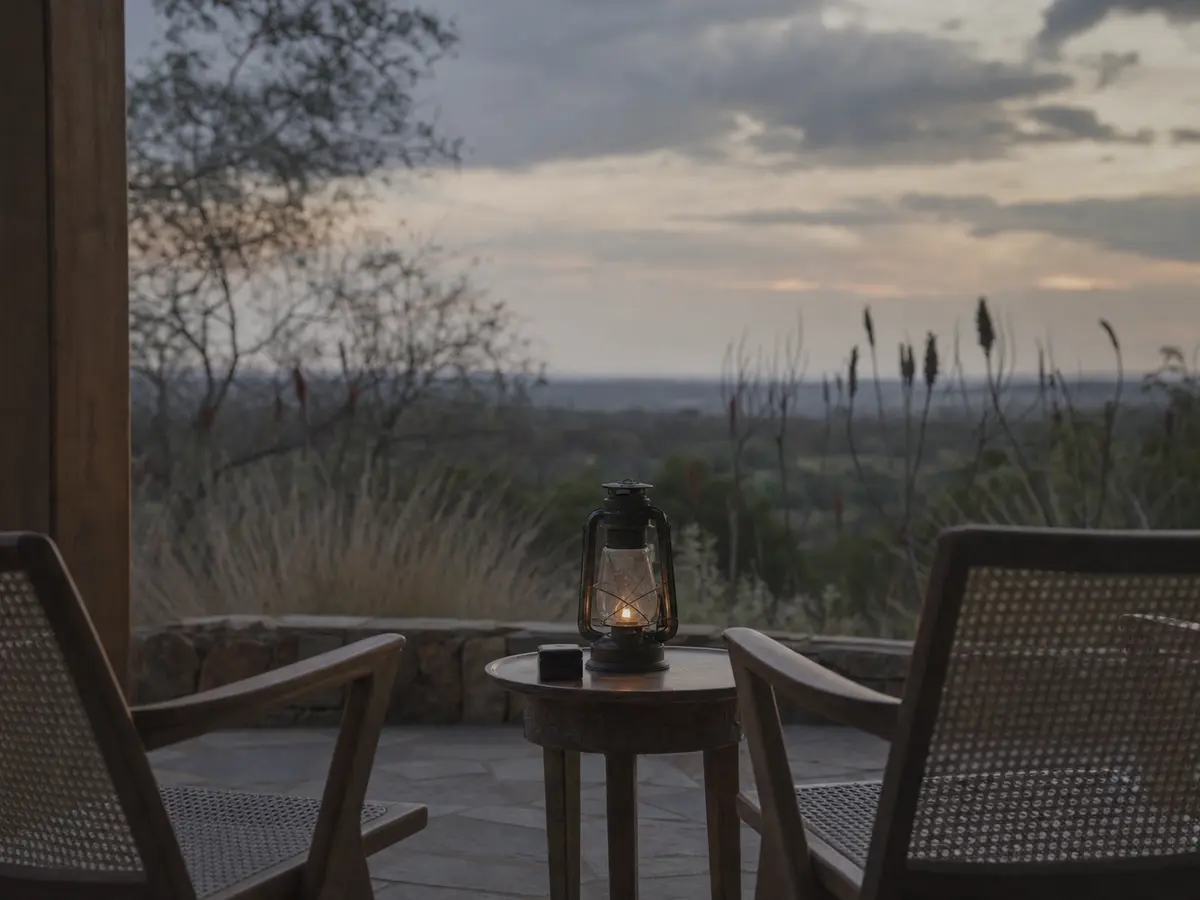
A proposal at home succeeds or fails on one thing: whether the evening still feels like an ordinary night in your own house right up until the moment it is not, rather than an evening she can tell has been arranged around her from the moment she walks in.
What home gives you that nowhere else can
No booking, no staff to brief, no other table nearby, and total control over every variable, from the temperature to the lighting to what is playing in the background. It is also the one setting where you know exactly how the space behaves: which chair she actually likes, where the light falls best at seven in the evening, which floorboard creaks. Use that knowledge rather than trying to turn the lounge into a restaurant it was never built to be.
The things that give it away
A home proposal is undone by over-preparation more often than under-preparation. Candles where you never light candles, a playlist that does not sound like either of you, a tidiness that is out of character for a Tuesday: any of these tells her something is different before you have said a word. The version that works is closer to your actual evening than a staged one, with one or two deliberate changes rather than a full transformation.
Timing matters more than decor. A proposal that arrives at the natural end of an ordinary evening, after dinner, during the part of the night you would normally be talking anyway, reads as sincere in a way that an evening built entirely around a nine o'clock moment does not.
The unglamorous logistics
Check the load-shedding schedule for the evening and have a backup light source ready regardless, since nothing undoes a quiet moment like the power going out mid-sentence, and a phone torch is a poor substitute for candlelight you actually chose. If anyone else lives in the house, or is likely to be around, brief them properly rather than hoping they stay out of the way; a flatmate walking in at the wrong moment is a common and avoidable failure. Silence a doorbell or delivery notification for the evening, and decide in advance what happens if the phone rings.
Keep the ring somewhere genuinely unremarkable to you both, not a place either of you would think to look for any other reason, and retrieve it earlier in the evening so you are not searching a drawer at the crucial moment.
Afterwards, without an audience
The twenty minutes after a home proposal are usually quieter than they would be anywhere else, and that is the point. There is no waiter to clear plates, no need to move tables, nowhere you have to be. Decide beforehand whether you want that time to yourselves before calling family, or whether the first thing either of you wants to do is pick up the phone. Both are reasonable; deciding in advance means neither of you is guessing what the other wants in the moment.
- Check the load-shedding schedule and have a non-phone light source ready regardless.
- Brief anyone else in the house properly, rather than hoping they stay out of the way.
- Silence delivery and doorbell notifications for the evening.
- Retrieve the ring earlier in the evening so you are not searching for it at the moment.
- Decide in advance who you tell first, and when.
- If you want photographs, set a camera or phone on a tripod rather than trying to photograph the moment yourself.
The homes where this works best are the ones that still look like themselves. Nobody needs a stage set for a moment this size.
Everything else on this list is a venue. This one is just your evening, arranged slightly more carefully than usual.
Should we tell family before a proposal at home?
That is a personal decision rather than a rule, and it depends on how close your families are and whether either of you would feel uncomfortable if the other found out something had been kept from them. Some couples prefer nobody to know until after; others want a parent or sibling nearby for the moment itself, or waiting to be called once it is done. Whichever you choose, agree it together beforehand rather than one of you deciding alone.
What if load-shedding hits during the proposal?
Have a plan that does not depend on mains power at all: candles you have already lit and trust, a torch or lantern within reach, and a portable speaker if music matters to the moment, charged in advance. Check the schedule for the specific evening rather than assuming, since stages change with little notice, and treat a sudden blackout as something you can laugh about rather than something that derails the plan; it usually becomes part of the story rather than ruining it.
Is it strange to propose at home rather than somewhere more occasion-worthy?
No, and for a lot of couples it is the more honest choice. A restaurant or a garden can feel like it belongs to the occasion rather than to the two of you; your own home belongs to your actual life together, which is generally the thing being proposed on in the first place. If she would rather cry in her own kitchen than in front of strangers, that preference is worth listening to over any list of impressive-sounding venues.