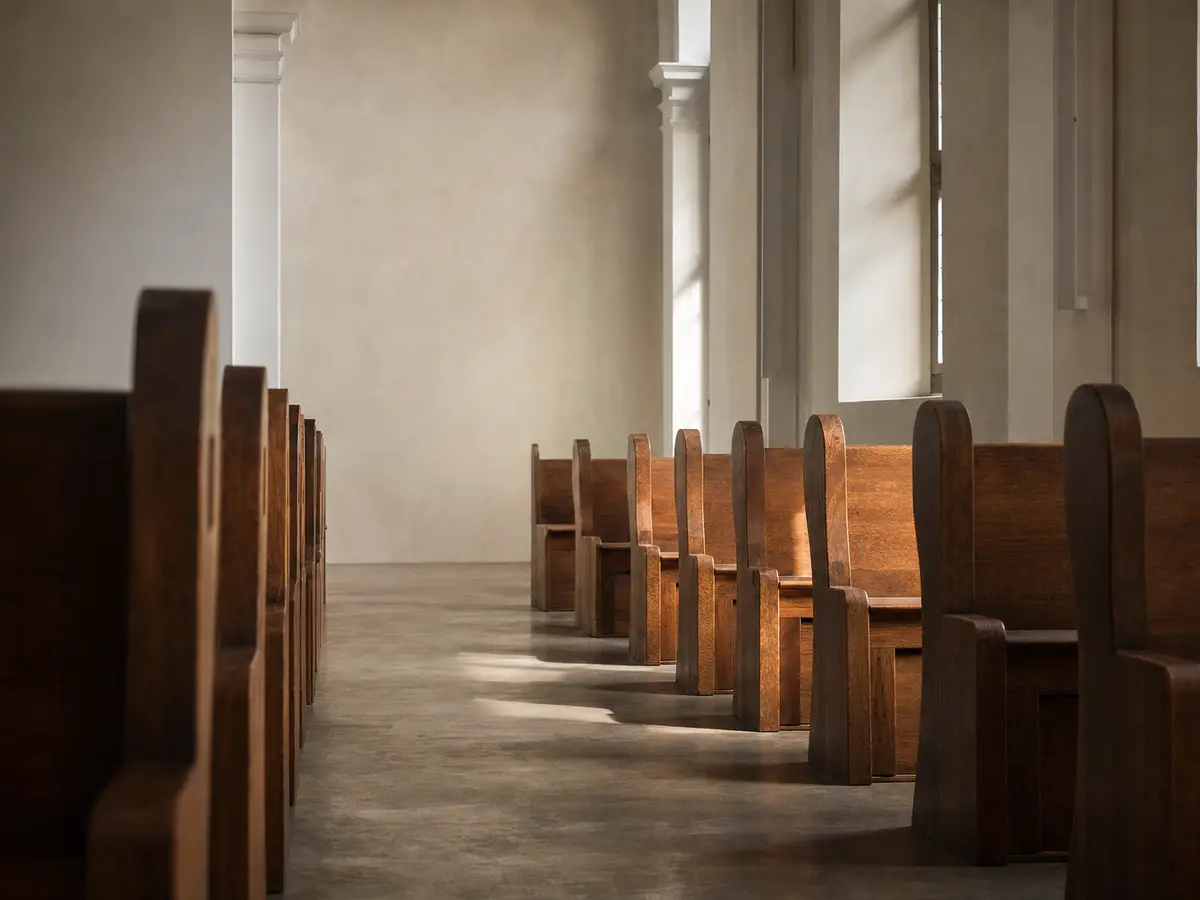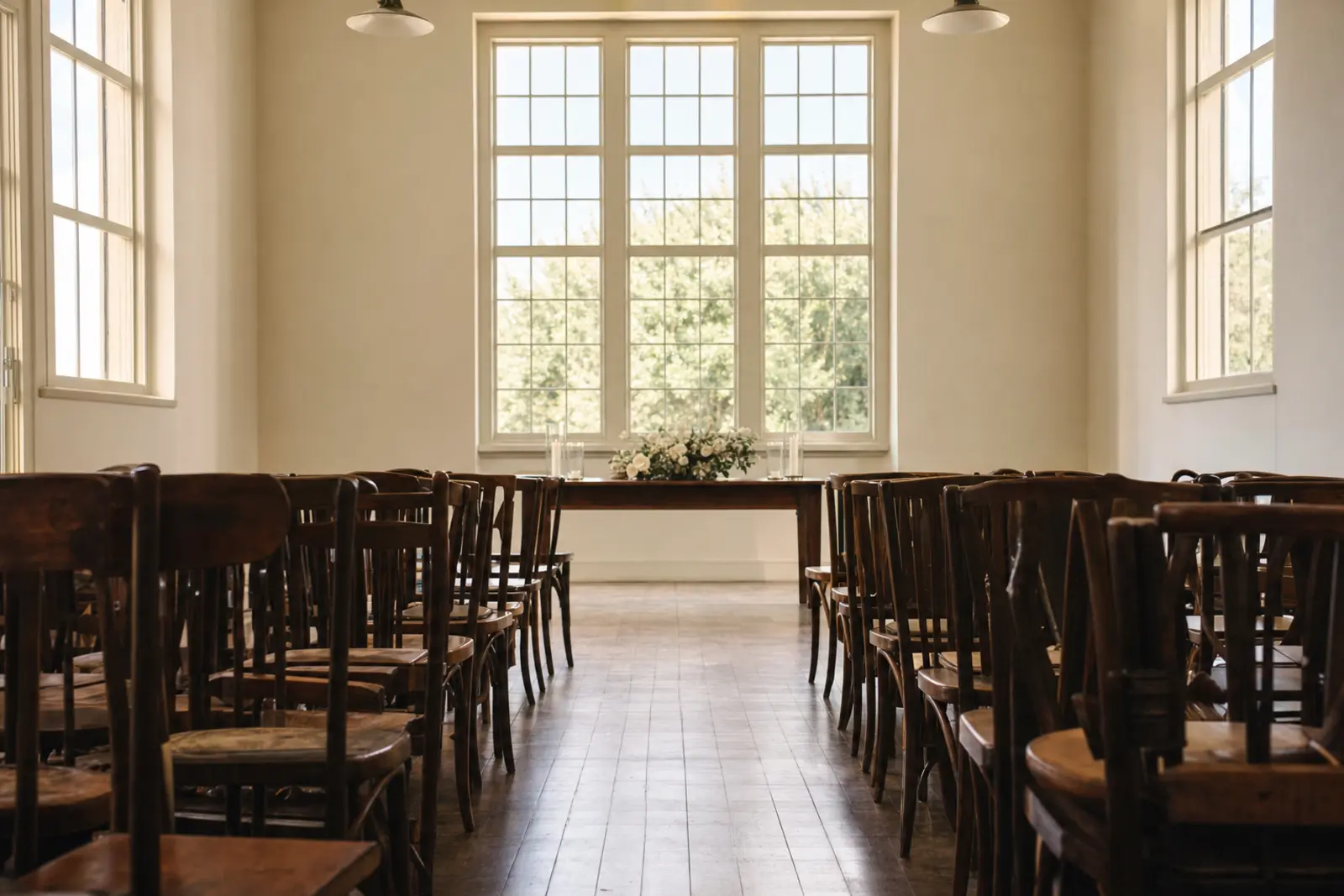
A church wedding is really several different weddings depending on the denomination: what counts as required preparation, acceptable music or the officiant's role in the ceremony changes from one church to the next, sometimes even within the same denomination.
Every denomination does this differently
A Catholic parish, an Anglican or Methodist church, a Baptist or Pentecostal congregation and an independent or charismatic church can each set entirely different expectations for a wedding, and two churches within the same denomination can still differ by parish or by minister. Some require the couple to attend services for a period beforehand. Some require both parties to be baptised or confirmed within that denomination. None of that is universal, and the only way to know what applies is to ask the specific church.
Preparation, notice and paperwork
Most denominations ask for some form of preparation before the wedding, which can range from a single meeting with the minister to a structured course over several weeks. Notice periods also vary: some churches want months of lead time, particularly around popular dates, and some publish the couple's intention to marry ahead of the day as part of their own process. Bring the paperwork question to the church office early rather than assuming a civil marriage officer's requirements and a church's requirements are the same list.
Music, flowers and decoration inside the church
A church is not a blank room. Most have their own rules about what music is permitted during the service, whether secular songs are allowed at all, how much flowers and decoration can be brought in, and who is allowed to install them. Some restrict candles or open flame. Confirm this before booking a florist or a musician for the ceremony itself, since a plan built around a reception venue's freedom does not automatically transfer to the church.
The church for the ceremony, a venue for the reception
As with most faith venues, the church is typically booked for the ceremony only, and the reception happens at a separate venue afterwards. That means coordinating two bookings against one date, agreeing a realistic gap for guests to travel between them, and confirming with the church how long the ceremony and any photographs afterwards will actually take, since a service can run longer than either the couple or the reception venue expects.
The legal side of the marriage
Whether the wedding itself constitutes a legally recognised marriage, or whether a separate civil registration is needed, depends on the church, the officiant's registration status and the couple's own circumstances. Treat this as general guidance rather than a fixed answer, and confirm directly with the officiant and, where there is any doubt, with Home Affairs, well before the date.
Photography and the officiant's role
Photography rules inside a church are usually stricter than at a private venue: some ministers restrict movement during the vows, some do not allow flash, and some ask for a fixed position at the back rather than a photographer moving down the aisle. The officiant also controls the pace and content of the ceremony more than the venue does, so brief your photographer against what the officiant confirms rather than a generic ceremony timeline.
Questions to ask the church office
- Is there a preparation course or meeting required, and how long does it take?
- How far in advance must the wedding be booked, and is there a notice period to publish?
- What are the rules on music, flowers, candles and decoration inside the building?
- How long is the ceremony space booked for, including time before and after the service?
- What are the rules on photography and video during the ceremony?
- Does this wedding need a separate civil registration, or does the church handle that directly?
A church wedding runs on the officiant's timetable more than the couple's own. Learn that early and the rest of the day gets easier to plan around it.
Do we need a separate civil marriage as well as a church wedding?
It depends on the officiant's registration status and the denomination, so this is not the same answer for every church wedding in South Africa. Some officiants are registered marriage officers who can register the marriage as part of the church service; others are not, in which case a separate civil registration is needed. Confirm this directly with the officiant and, if there is any uncertainty, with Home Affairs, well ahead of the date rather than assuming either way.
Can we choose our own photographer for a church wedding?
Usually yes, but the church, not the reception venue, sets the rules the photographer has to follow once they are inside. Some churches restrict where a photographer can stand during the vows or do not allow flash at all. Share the church's rules with your photographer before the day, and if the church has a preferred position for photographers, build your shot list around that rather than around what has worked at other venues.