A private home offers a wedding something no booked venue can: a setting that already means something to the family, and it offers none of a venue's own infrastructure in return, which means building a floor, a kitchen, power, lighting and security from nothing.
The intimacy, and the burden that comes with it
A home wedding reads as personal in a way a hired venue rarely does: the setting means something to the family, guests are on ground that is actually familiar to someone, and there is no venue coordinator's schedule dictating the shape of the day. The trade-off is that the family carries every decision a venue would otherwise have already made, from where guests park to where the caterer's team can wash up, and that workload tends to be underestimated until the week of the wedding, not before it.
Everything gets hired in
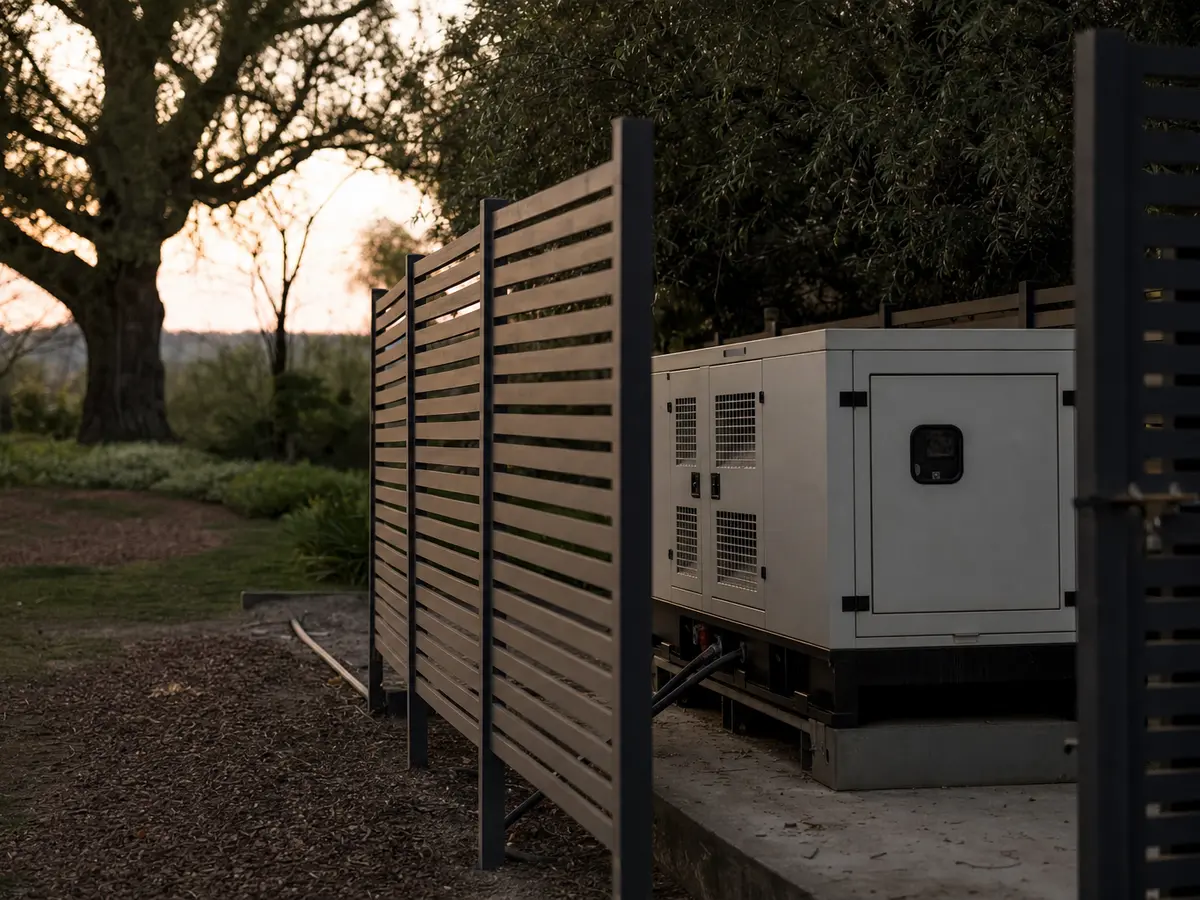
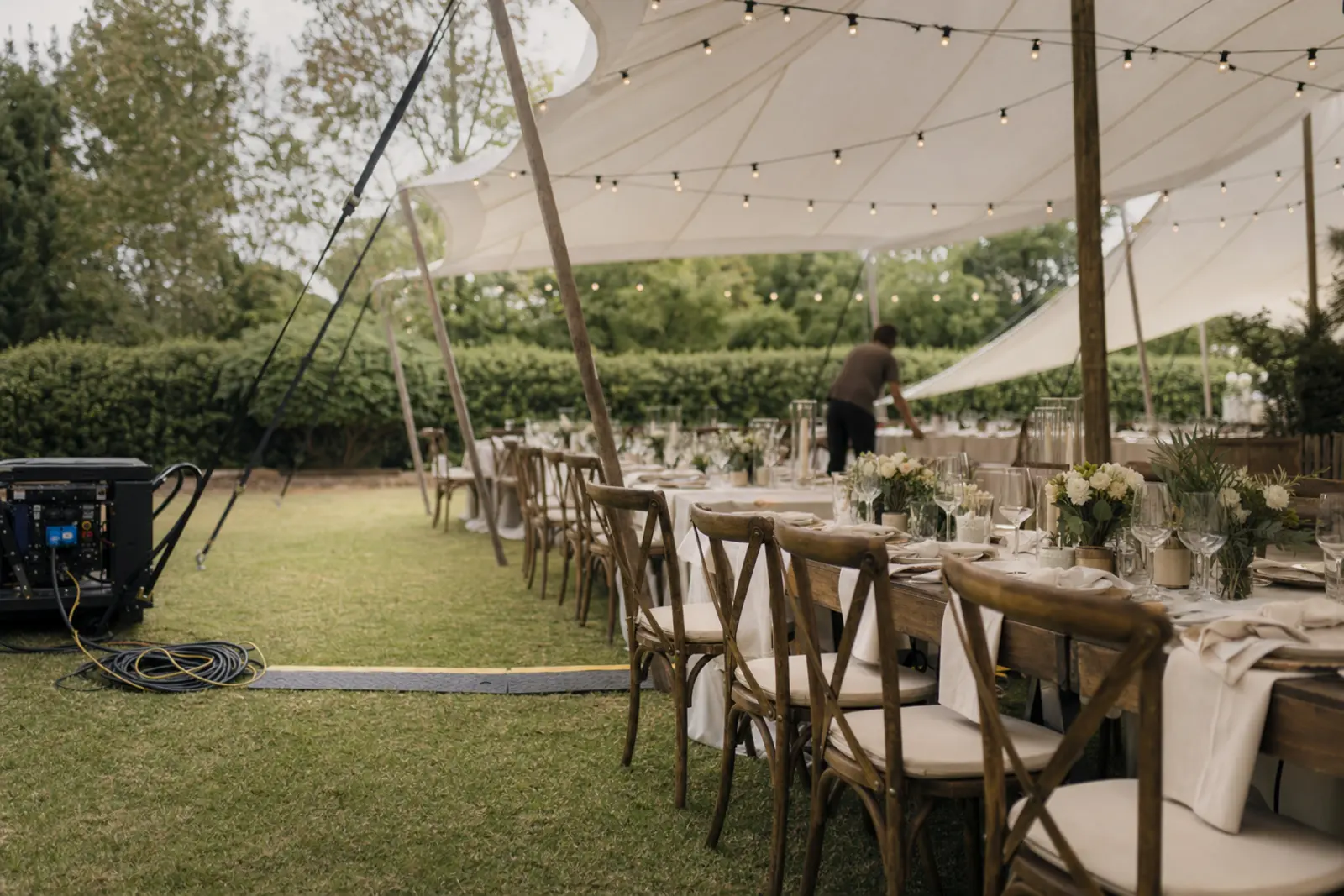
A booked venue already has a floor, a roof, a kitchen, bathrooms, power and lighting. A private home usually has none of those in the configuration a wedding needs, which means a marquee or tent, a proper flooring solution if the ground is uneven or likely to be wet, a catering kitchen or at minimum serious catering-equipment hire, additional ablutions guests can actually use in the numbers expected, generator or backup power if the property's supply cannot handle the load, event lighting for after dark, parking arrangements for a number of cars the property was never designed for, and enough staff, from waiters to a car guard, to run the day properly. Price every one of these as its own line item rather than assuming a home wedding is automatically cheaper than a venue, because once all of this is hired in, it frequently is not.
Neighbours, noise and the municipality
A private home sits inside a suburb with other people living in it, and a wedding with amplified music, a marquee and a large number of cars is a genuinely different event for the street than an ordinary weekend. Speak to immediate neighbours before the date, not as a courtesy alone but because a noise complaint on the night can end the music early. Check the specific municipality's rules on noise, event permits and any requirement to notify the local authority for a private function of this size, since these differ between municipalities and are worth confirming rather than assuming.
Insurance for the day
Whether the household's existing insurance covers an event of this size, with hired equipment, contracted staff and a large number of guests on the property, is a question for the insurer directly rather than an assumption either way. Many households take out event-specific cover for the day, addressing public liability and damage to hired equipment separately from their standard home policy. Confirm this well ahead of the date, since arranging cover the week before is harder than it needs to be.
The garden after rain
A garden that looks fine in dry weather can become unusable within an hour of rain, and a marquee floor that was solid on firm ground can flood or sink on softer ground nearby. Walk the actual site after rain if you can, not just on a dry day, and build a genuine wet-weather plan rather than a hopeful one: where guests actually go, how the transition from garden to cover works, and whether the marquee company's flooring can handle standing water if it comes to that.
Security at the gate
A private home is not built for controlling who comes and goes the way a venue with a single managed entrance is. Guest lists need to be checked at a gate that was designed for a family car, not a hundred guests, and the property needs a plan for anyone who was not invited finding their way in, particularly once the address has circulated more widely than the family intended. Speak to a security company about staffing the gate itself, not just the grounds during the event.
The house, the next morning
A wedding leaves a mark on a property: hired flooring lifted from wet grass, marks on a lawn that took months to establish, and a general clean-up that is bigger than an ordinary event. Agree with every supplier, from the marquee company to the caterer, exactly when they are removing their equipment and what state they are expected to leave the site in, and build a day or two of recovery time into the family's own plans before the house goes back to being simply a house again.
What a home wedding needs to hire or arrange
- A marquee or tent, and flooring if the ground is uneven or likely to be wet
- A catering kitchen, or full catering-equipment hire
- Additional ablutions for the number of guests expected
- Backup power if the property's own supply cannot handle the load
- Event lighting for after dark
- Parking arrangements and, if needed, a shuttle from off-site parking
- Security staffing at the gate and around the grounds
- Event-specific insurance, confirmed separately from the household's standard policy
The garden that makes a home wedding worth doing is the same garden that has to be walked, measured and planned around like any other venue. Treat it that way from the start and the day tends to go smoothly.
Is a home wedding actually cheaper than booking a venue?
Not reliably. A venue's hire fee already includes a floor, power, bathrooms and often staff, and a private home needs all of that hired in separately: a marquee, flooring, additional ablutions, generator power, lighting, parking and security. Once every line item is priced, a home wedding often lands close to a comparable venue, and sometimes above it, so build the full budget before assuming the home option saves money.
Do we need to tell the municipality we are having a wedding at home?
It depends on the municipality, the size of the event and whether you are using amplified sound, a marquee or a temporary structure, so check the specific local authority's rules rather than assuming a private garden needs no permission at all. Some municipalities require a permit for a marquee or a noise variation for amplified music after a certain hour, and finding this out after the marquee company has already booked the date is the wrong order to do it in.