South African weather, load-shedding and ordinary personal security between them account for more disrupted proposals than a poorly chosen ring ever does, and all three are manageable with roughly a week of sensible planning rather than luck on the day.
Highveld storms and dry-season wind
On the Highveld, summer storms are typically an afternoon and early-evening event, building through the day and passing within an hour or two, which makes a morning proposal the simplest form of insurance from roughly October to March. Outside that season, from April to September, the risk shifts from rain to cold, particularly once the sun goes down, and a plan that looked comfortable at four in the afternoon can feel very different by six. Either way, decide the indoor alternative in advance rather than improvising it on the day.
The Cape's wind, and coastal humidity
In and around Cape Town, wind is usually the bigger practical problem, not rain, particularly the south-easter in summer, which can turn a pleasant outdoor setting unworkable within the space of an hour. Check the forecast on the morning of the proposal itself rather than relying on a check from several days earlier, since wind in the Cape changes quickly. Along the KwaZulu-Natal coast, humidity is the more common irritation than either wind or rain, and it is worth choosing clothing and a setting that account for it, particularly for anything photographed.
Load-shedding and generator questions
If any part of a proposal depends on electric light, whether that is a restaurant, a private venue or simply a working gate and driveway lights, ask directly what happens during a scheduled power cut rather than assuming a generator or backup battery exists. Many venues do have one; plenty, particularly smaller or private ones, do not. A candlelit proposal is charming by design. A proposal that was meant to be candlelit and turns out to be genuinely dark, with an unlit path back to the car, is a different and less pleasant thing.
- The setting's backup power plan, if any, has been confirmed directly rather than assumed.
- A morning or early-afternoon option exists if the plan is weather-dependent in summer.
- The forecast has been checked on the morning of the proposal, not days beforehand.
- Parking is managed and lit, and the walk from the car has been thought through.
- The ring is on your person throughout, not left in a car or handed to anyone else.
- You have arrived, or plan to arrive, before the light goes if the setting is outdoors.
Dark car parks and viewpoint safety
Treat an evening proposal the way you would treat any other evening out: choose a setting with managed parking and some staff or visible activity nearby, arrive while there is still daylight rather than after dark falls, and avoid isolated viewpoints or lookout points once the light has gone, however good the view is meant to be at sunset. A restaurant terrace, a hotel garden or a private estate with proper lighting and parking gives you most of the evening atmosphere without the unlit walk back to a car that isolated spots often involve.
The bushveld and safari, and the coast further afield
Away from the cities, the same three factors show up differently. In the bushveld and on safari, security in the ordinary sense is rarely the concern, since lodges typically manage access carefully, but malaria precautions, heat, and the practicalities of an early or late game drive matter more than they would in a city garden. Along the Garden Route and further into the Cape Winelands, wind and unpredictable coastal weather are worth checking a day out rather than a week out, since conditions there can shift faster than an inland forecast suggests. In every case, the same underlying habit applies: check locally, close to the day, rather than trusting a general impression of the season.
Keeping the ring on you throughout
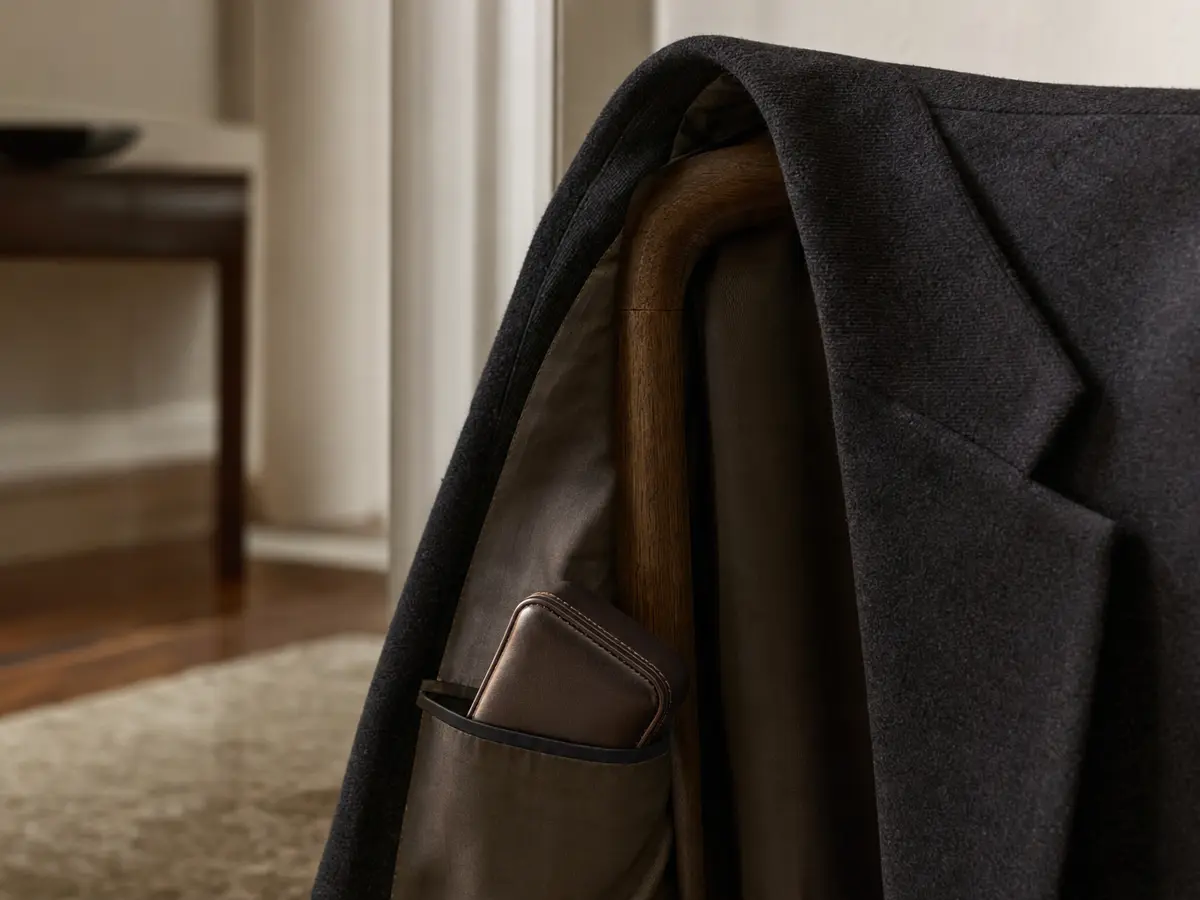
Every risk above compounds if the ring is not on your person the whole time: a car broken into while you check a view, a bag set down at a table while you step away, a jacket left over a chair. Carry it in a slim case in an inner pocket from the moment you leave home until the moment it is needed, and treat it as the one item on the day that never leaves your body, regardless of how secure a setting feels.
None of this is about being anxious on the day. It is about spending an hour beforehand on the parts that are genuinely predictable, weather, power and basic personal security, so the part that is not predictable, how she reacts, gets your full attention when it happens.
How do I check whether a venue has backup power for load-shedding?
Ask directly, by phone or in person, rather than assuming from the venue's general standard. Ask specifically what happens to lighting, any music or sound system, and access such as gates or lifts during a scheduled outage, since some venues have backup for one and not the others. If the answer is vague, plan as though there is no backup and choose a setting that still works by candlelight, torch or natural evening light.
Is it safe to propose at an outdoor viewpoint after dark?
Generally, no, for the same reasons an unfamiliar isolated spot is a poor choice after dark for any purpose. Favour a setting that is lit, has some passing activity or staff nearby, and offers managed parking close to the spot itself. If the view genuinely matters, go for golden hour or just before sunset instead, which usually gives better light for photographs in any case and avoids the unlit walk back afterwards.
What should I do if a Highveld storm arrives on the day itself?
Move to the indoor alternative you decided on in advance rather than waiting to see if it passes, since Highveld storms can be intense even if brief. If no indoor plan exists, a short delay of an hour or two is usually enough, since these storms typically clear by early evening. The moment matters far more than the exact setting, and a calm change of plan reads far better afterwards than a proposal pushed through in a downpour.