Widowed or divorced, with or without children, most people proposing a second time already know things a first proposal cannot teach you: what actually mattered before, what did not, and what they want done differently this time, all of which changes the ring, the setting and who needs to be told, and when.
What a first marriage actually teaches you
People proposing again tend to arrive with more clarity than they had the first time, about the kind of partner they want, the kind of wedding they can do without, and the kind of attention they would rather avoid. That clarity is worth trusting. If a quieter proposal, a smaller ring, or a private moment with no audience appeals more than anything elaborate, that is not a lesser version of the first proposal. It is usually a more honest one.
Children, from either side
If either of you has children, from a previous marriage or otherwise, they generally need to hear the news from you directly, before or very shortly after the proposal, rather than finding out from someone else or noticing a ring. How much to involve them in the proposal itself, told beforehand and included in the moment, or told afterwards as a separate conversation, depends entirely on their ages and their relationship with your partner. There is a full guide to including children in a proposal itself if that is the route you are considering, and it applies just as much here as it does to a first engagement.
The previous ring
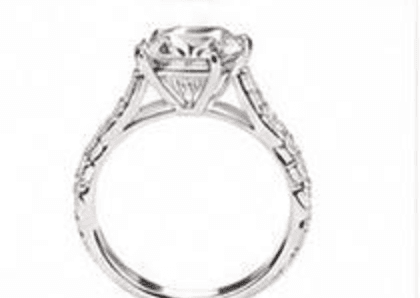
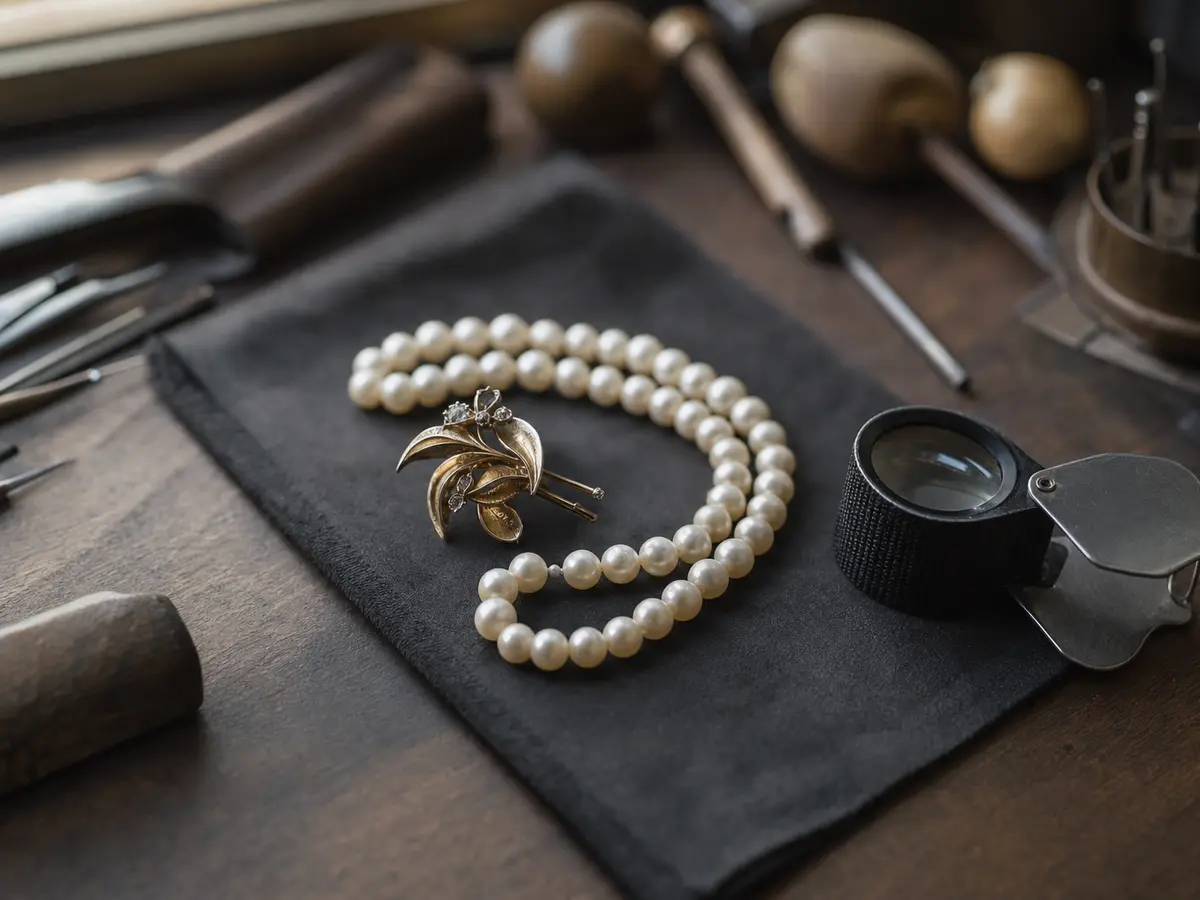
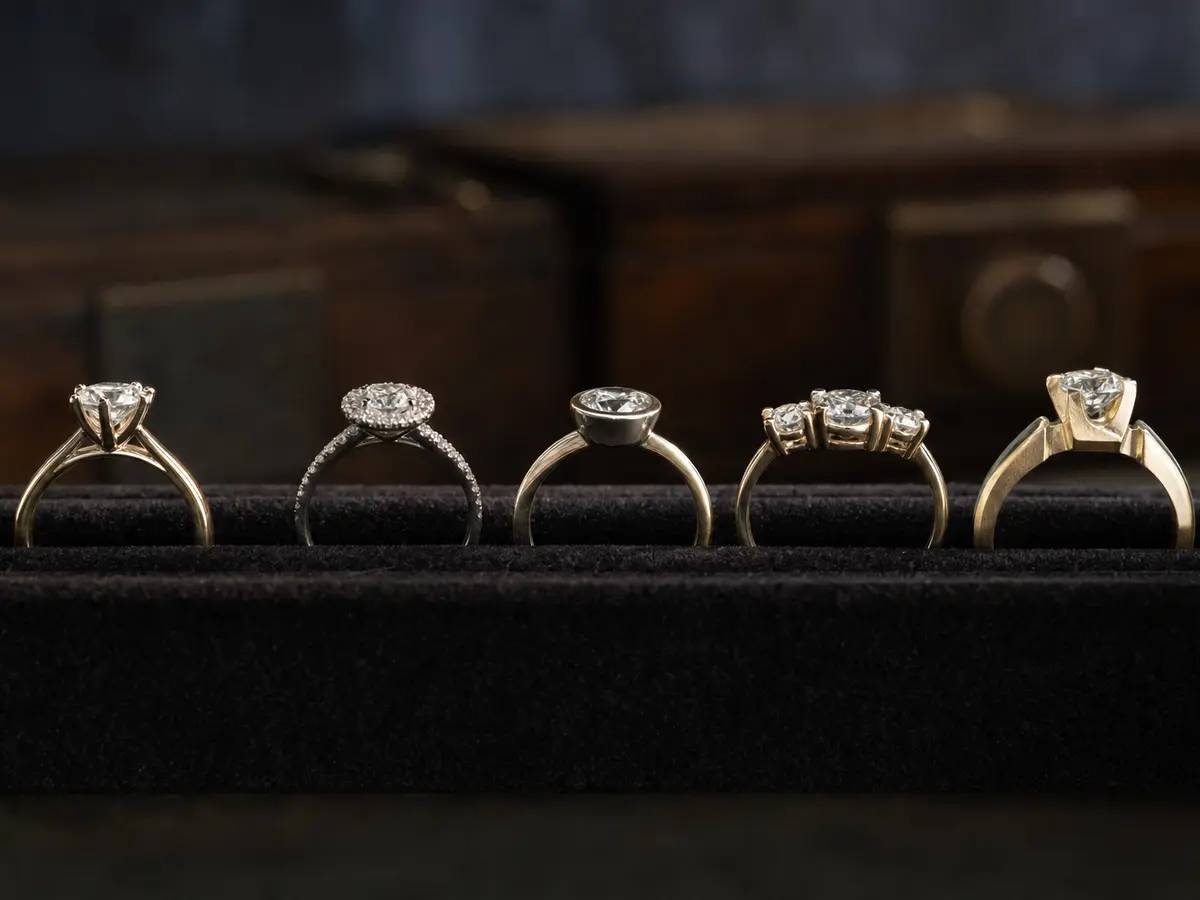
There is no default here, and anyone who tells you there is one answer is guessing. A ring from a marriage ended by death is sometimes kept as it is, sometimes remade into a different piece, and sometimes set aside for a child one day. A ring from a marriage ended by divorce is more often sold, given away or reworked entirely into something new. What matters is a straightforward conversation with your new partner about whether they would be comfortable with the previous ring existing in some form, worn occasionally, remade, or simply put away, rather than assuming either way. Many people proposing again choose a design for the new ring that looks nothing like the first one, deliberately, so it is never quietly compared to it.
Family reactions
Adult children, former in-laws who remain part of the family, and extended family from the first marriage can all have complicated, sometimes conflicting reactions to a second engagement, even when they are genuinely happy for you. A quieter, more private proposal often manages this better than a public one, not because the relationship matters less than the first, but because it gives everyone room to have their own reaction before it becomes a group event. Being honest with your partner in advance about which reactions you expect, and from whom, tends to prevent the family conversation from becoming a surprise on top of the proposal itself.
- Have you talked honestly with your children, if you have them, before or shortly after the proposal, rather than leaving them to hear it from someone else?
- Do you know what your partner would like to happen to a previous ring: kept, remade, or set aside?
- Have you talked about what your first marriage taught you that you want to do differently this time?
- Does either of you need a quieter, smaller moment rather than a repeat of the first proposal?
The second proposal does not have to prove anything the first one did not. It only has to be honest about what the two of you actually want now.
Is it disrespectful to remake a ring from a previous marriage?
No, and it is more common than people assume, particularly where a marriage ended in death and the stones carry sentimental rather than romantic weight. Remaking a stone into a pendant, a pair of earrings, or a ring for a different finger or a different person entirely, a child in future, for instance, is a way of keeping something meaningful without it functioning as an engagement ring again. What matters is that the decision is made honestly with your current partner, not around them.
Should we tell our children before we get engaged or after?
There is no fixed rule, and it depends heavily on their ages and how close they are to your partner already. Younger children generally do better hearing the news gently, close to the moment itself, from you rather than picking up on tension beforehand. Older children and adult children often appreciate being told slightly ahead, so they do not feel like the last to know something that affects the family they are already part of.