South Africa's weather does not follow one pattern, and a wedding's backup plan needs to match the actual climate on the day rather than a generic worry about rain.
Highveld storms
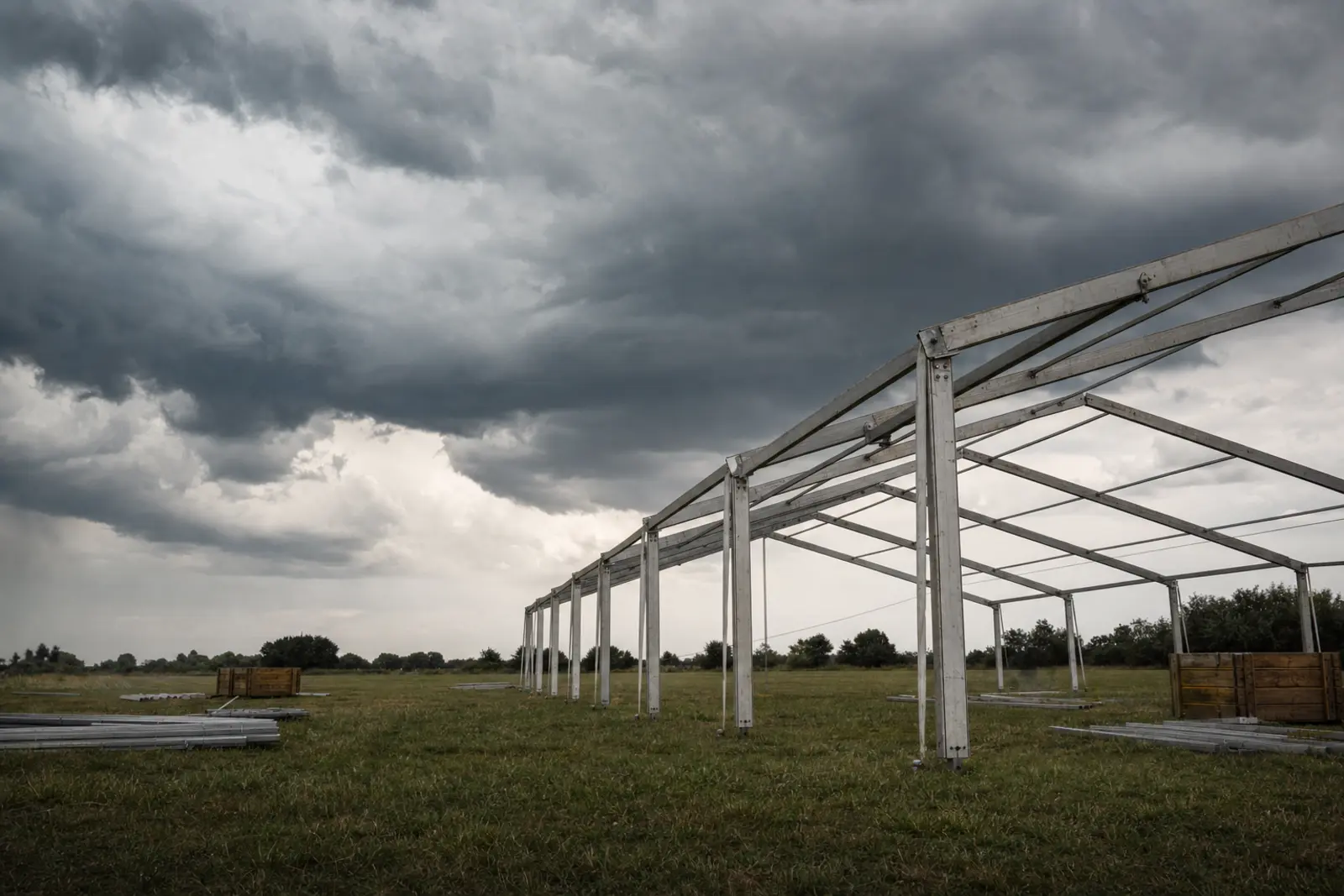
Johannesburg, Pretoria and the wider Highveld get a reliable pattern in summer: clear mornings, building cloud through the early afternoon, and a storm that arrives somewhere between three and six and generally clears within an hour or two. A wedding timed for a Highveld summer afternoon should plan the ceremony and any outdoor photographs for the morning where possible, and treat the late afternoon as the part of the day most likely to need the indoor option.
Cape wind and winter fronts
Cape Town and the Winelands carry two separate weather risks rather than one: the south-easter, which runs hard through summer and can make an outdoor ceremony genuinely hard to hear, and winter cold fronts, which bring wind and rain in bands with clear days between them. A summer Cape wedding benefits from checking the wind forecast for the specific venue rather than the city generally, and a winter one benefits from watching the front pattern in the week before rather than a single day's forecast.
Coastal humidity and short showers
Durban, the North Coast and the Garden Route carry rain and humidity risk across more of the year than the Highveld or the Cape does, with short, fast-moving showers possible in almost any month. The upside is that most of this rain passes quickly, often within an hour, which makes a nearby covered space, rather than a full change of venue, usually enough of a backup.
A backup that is more than a marquee promise
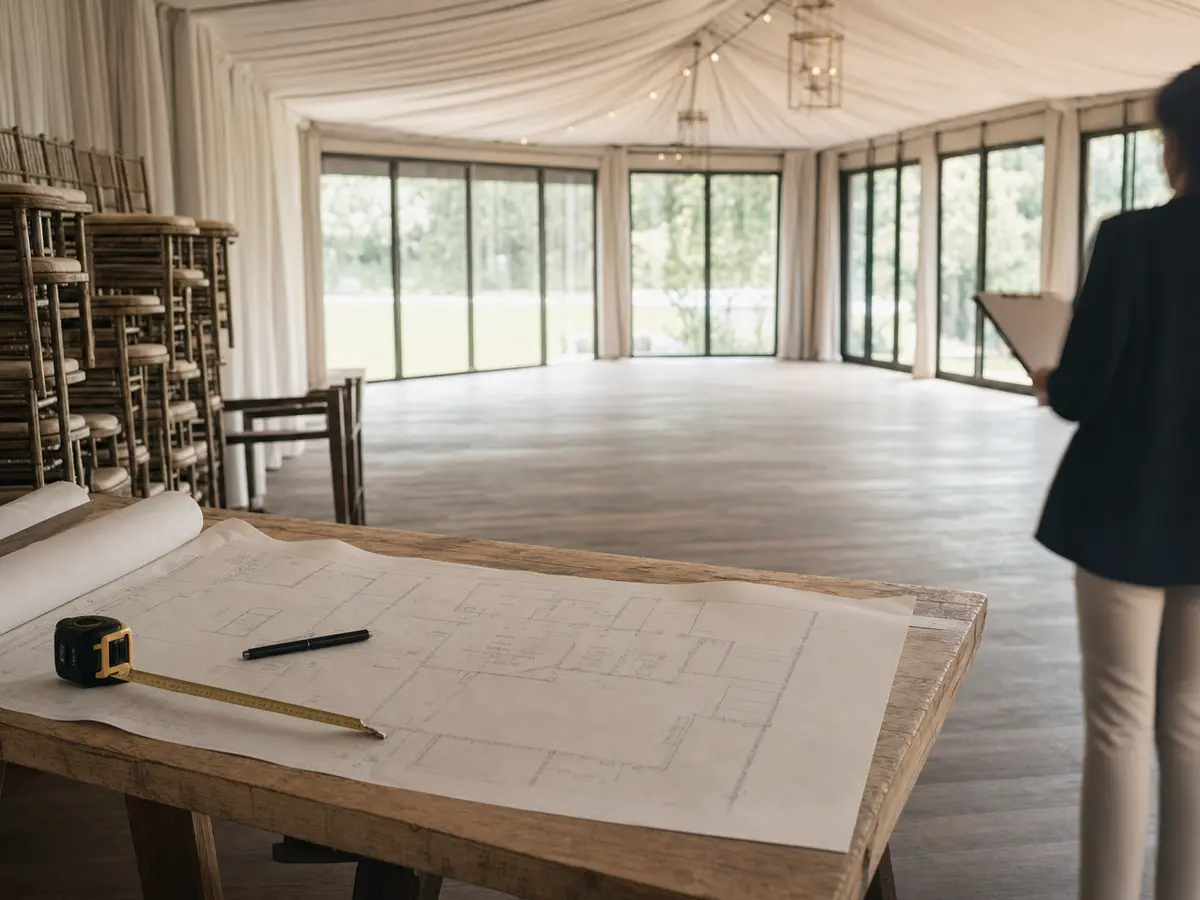
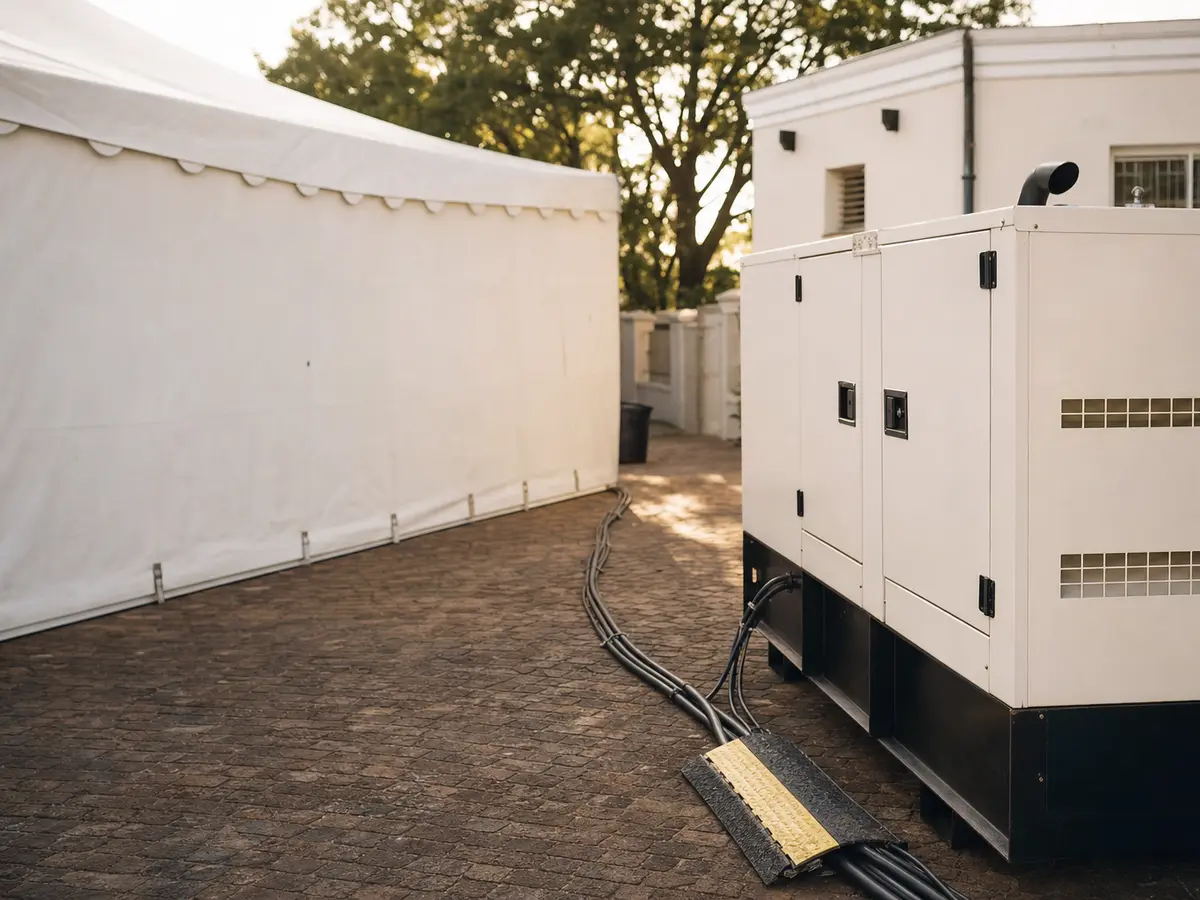
A weather backup plan is not a plan if it is only a verbal assurance that a marquee will be up in time, or that guests can shelter under the eaves. It needs to be an actual space, seen in advance, large enough for the full guest count, with its own power and lighting sorted, and a clear person responsible for making the call to use it.
The decision hour, and telling guests
Agree in advance who makes the weather call and by when, ideally several hours before the ceremony rather than at the last possible moment, since guests, suppliers and the wedding party all need time to adjust. Once the call is made, tell guests directly and clearly, a message to the group chat or through whoever is coordinating the day, rather than leaving them to work it out on arrival.
- Know your region's actual weather pattern, not a generic rain worry.
- See the backup space in person before the day, not just hear about it.
- Confirm the backup space has its own power and lighting.
- Agree who makes the weather call, and by roughly what time.
- Have a plan for telling guests quickly once the call is made.
A wedding does not need good weather to go well. It needs a backup plan that was actually tested, not just described.
How likely is it to rain on a Highveld wedding day in summer?
Summer afternoons on the Highveld bring a reliable pattern of building storms, usually starting somewhere between mid-afternoon and early evening and clearing within an hour or two. Mornings are typically clear. This makes a summer Highveld wedding a reasonable bet for an outdoor morning ceremony with an indoor or covered plan for the evening, rather than a day where rain is unlikely enough to skip planning for it altogether.
What makes a weather backup plan actually reliable?
A space you or your planner have physically seen, large enough for your full guest count, with its own power and lighting already sorted, and a clear person responsible for calling it on the day with enough notice for guests and suppliers to adjust. A marquee that has not yet been confirmed to fit everyone, or a promise with no specific space attached to it, is not a backup plan in any meaningful sense.
Should we avoid outdoor ceremonies in South Africa altogether because of the weather?
No, most South African weddings with outdoor elements go ahead without any weather disruption at all, and the country's climate is genuinely favourable for much of the year. The point is not to avoid outdoor plans but to have a real, tested backup for the region and season you are marrying in, so that a change of plan, if it is needed, is calm rather than chaotic.