A hotel gives you something no restaurant or garden can: one point of contact who can coordinate the room, the timing and the staff on your behalf, provided you find that person early enough to actually use them.
Find the concierge, not the front desk
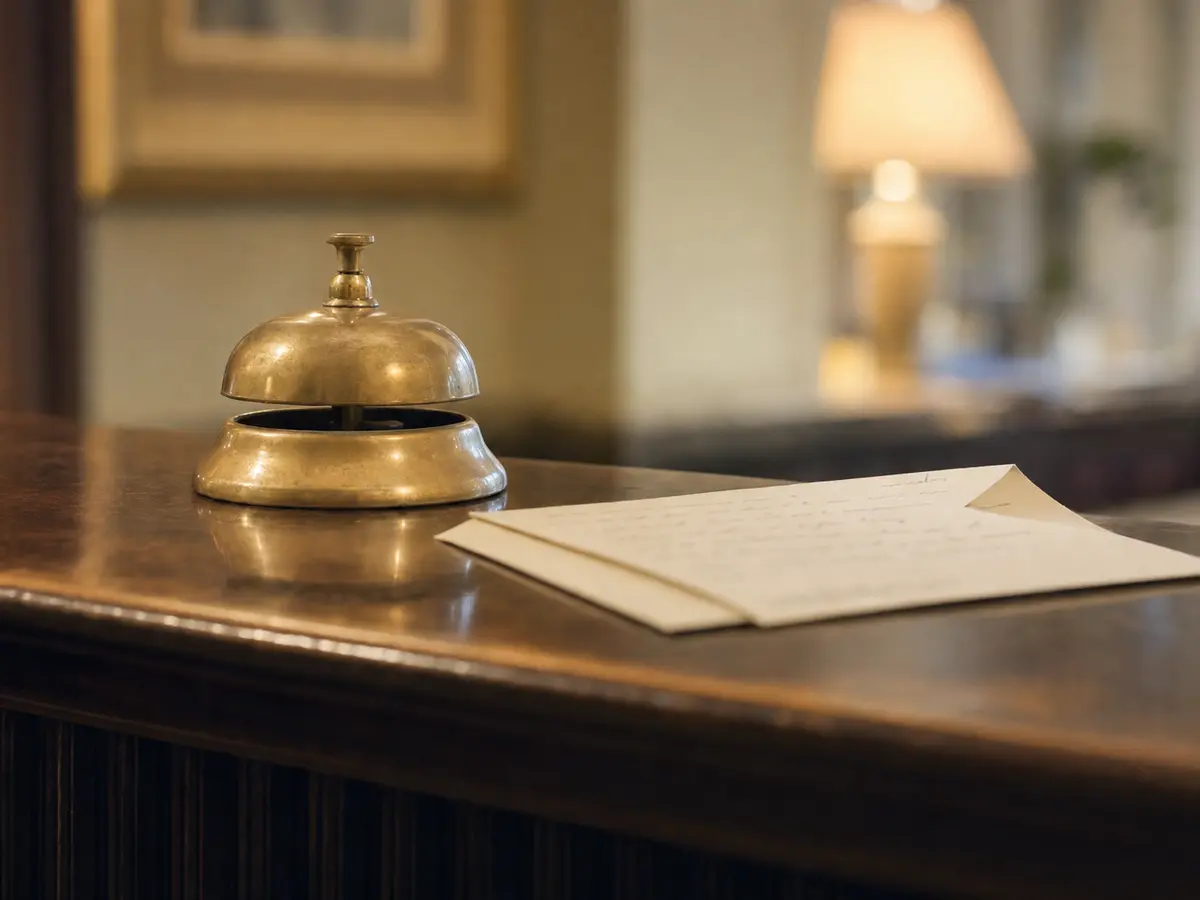
The person who can genuinely help is usually the concierge or duty manager rather than whoever answers the reservations line. Call ahead, explain what you are planning in specific terms, and ask what the hotel has done for proposals before; many have a quiet, well-practised version of this even if it is never advertised. Confirm the plan again on arrival with whoever is on shift that day, since the person you spoke to on the phone may not be the one working the evening itself.
Choosing where in the hotel
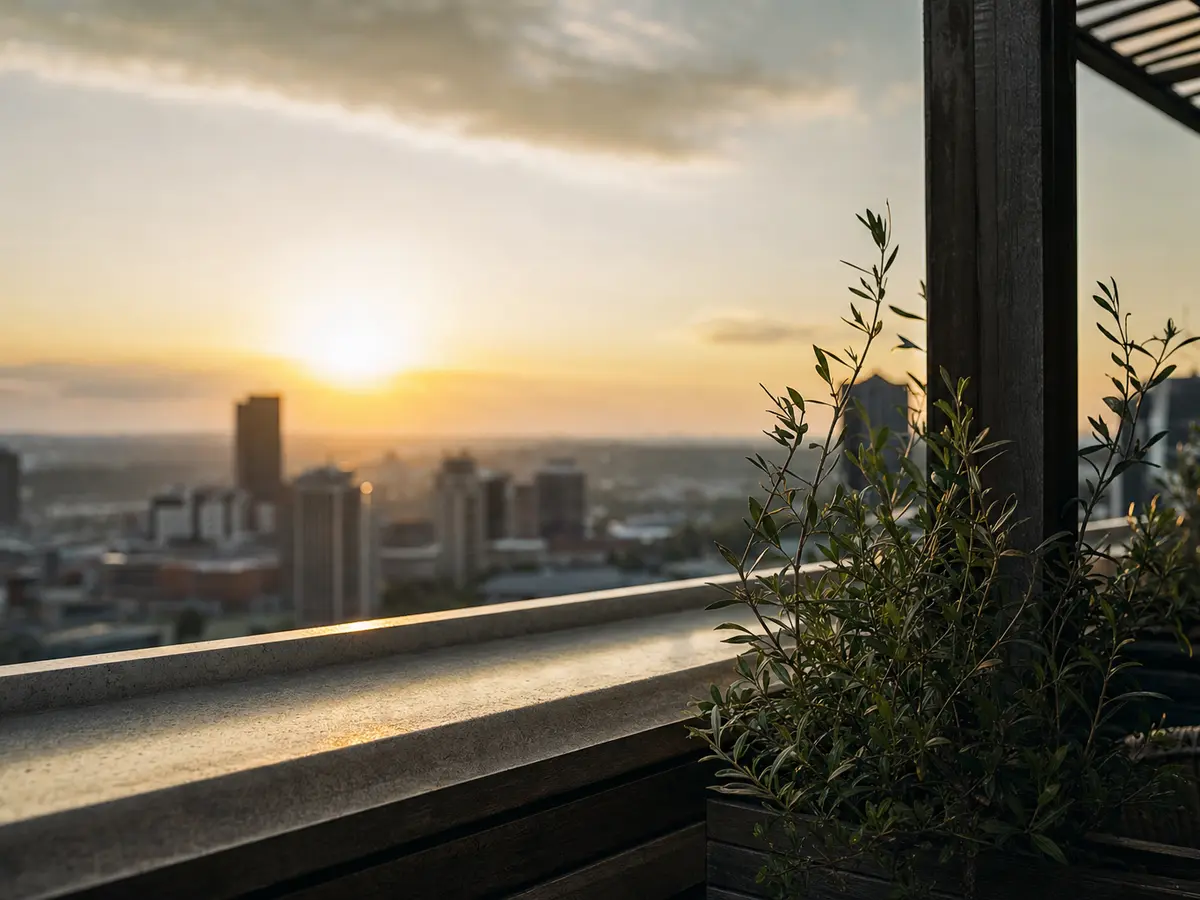
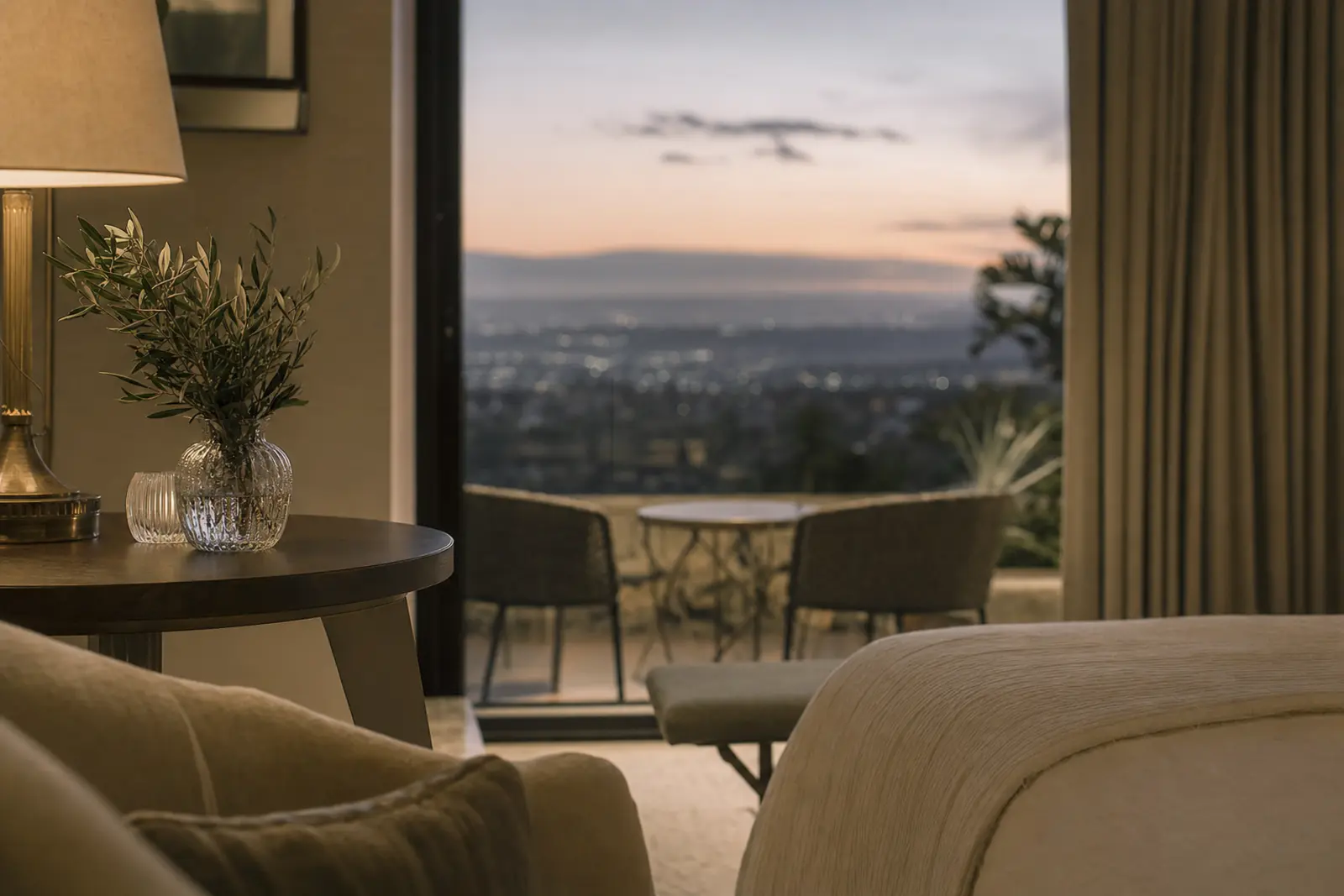
A hotel is rarely one setting; it is several. A suite gives you total privacy and no other guests, at the cost of a view that may be unremarkable. A rooftop bar or garden gives you a better backdrop and the trade-off of other guests around you, usually manageable with the right table and the right hour. A private lounge or function room, if the hotel has one, splits the difference: exclusive use without the intimacy of a bedroom. Choose based on which trade-off suits the two of you, not on which sounds most impressive.
What the hotel adds by default
Access control is a genuine advantage a private home or a public garden cannot offer: hotel security, staffed entrances and a room you can lock all reduce the number of things that can go visibly wrong. Ask about backup power for the specific evening rather than assuming a hotel of any size has it; larger properties usually do, but confirm rather than guess, particularly if the plan depends on lighting or music working at an exact moment.
Avoiding the staged look
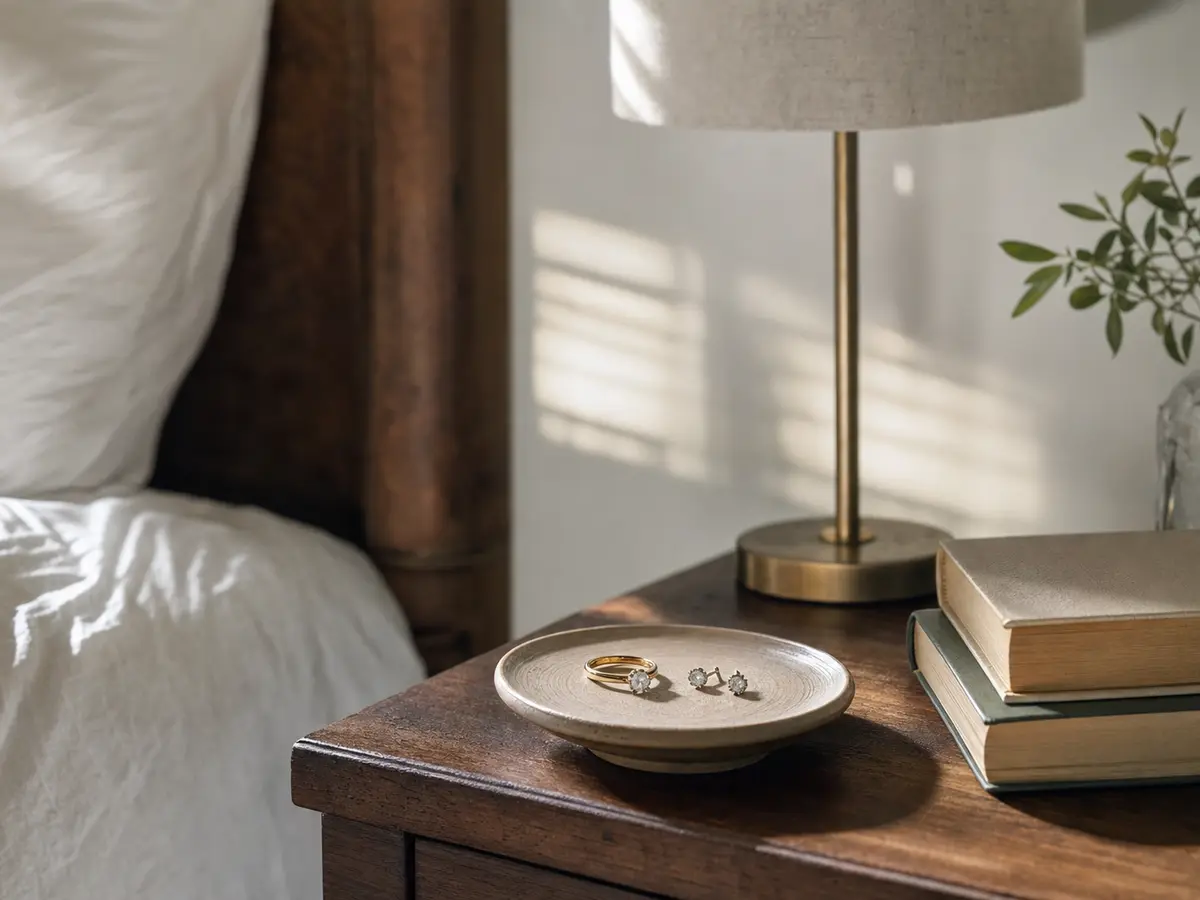
Hotels are good at flowers, and sometimes too good: a room dressed with rose petals arranged in a heart or a bath run before you arrive can tip into looking like a template rather than something meant for the two of you specifically. If you want the room prepared, be precise about what you actually want rather than accepting the hotel's standard package by default, and say clearly what you would rather they left out.
Photographs and afterwards
Some hotels offer their own in-house photographer for occasions like this; it can work well if you see examples of their work first, but it is not the only option, and a photographer you have chosen yourself, briefed to work from a distance, is equally valid. Afterwards, room service and a night in the hotel rather than driving home is the version most couples end up wishing they had planned for, so consider booking the room for the night regardless of where in the hotel the actual moment happens.
- Speak to the concierge or duty manager directly, and confirm the plan again on the day.
- Choose the part of the hotel based on the trade-off you actually want: privacy, view, or exclusivity.
- Ask about backup power for the specific evening rather than assuming it.
- Be precise about what you want in the room, and what you do not.
- Decide on photography, in-house or your own, before the day rather than on it.
- Book the room for the night, whatever else you decide.
A hotel does most of the coordination for you if you let it. The part that still needs your attention is telling it exactly what you want, in enough detail that nothing is left to a default package.
Do hotels charge extra for helping with a proposal?
It varies. Some hotels treat this as part of normal guest service and charge nothing beyond the room and any items you specifically order, such as flowers or a bottle of something. Others have a package with a set fee for a decorated room or an arranged moment. Ask directly what is included and what costs extra before you agree to anything, so you are not negotiating pricing on the phone the same week as the proposal itself.
Should we tell hotel staff exactly when the proposal will happen?
Generally yes, at least to the person coordinating it, since staff working around a moment they do not know the timing of are more likely to interrupt at the wrong point, for example by knocking to turn down the room. Give a rough window rather than an exact minute if your evening is likely to run to its own pace, and ask them to check with you rather than enter automatically during that window.
Is a suite worth the extra cost over a standard room?
Only if the extra space or view genuinely matters to how you picture the moment. A standard room, well chosen and well prepared, works just as well for a proposal itself; the practical advantage of a suite is usually more room to set up in advance and somewhere comfortable to sit afterwards, not the moment of asking. If budget is a factor, put it towards the room for the night rather than the size of the room for the hour.