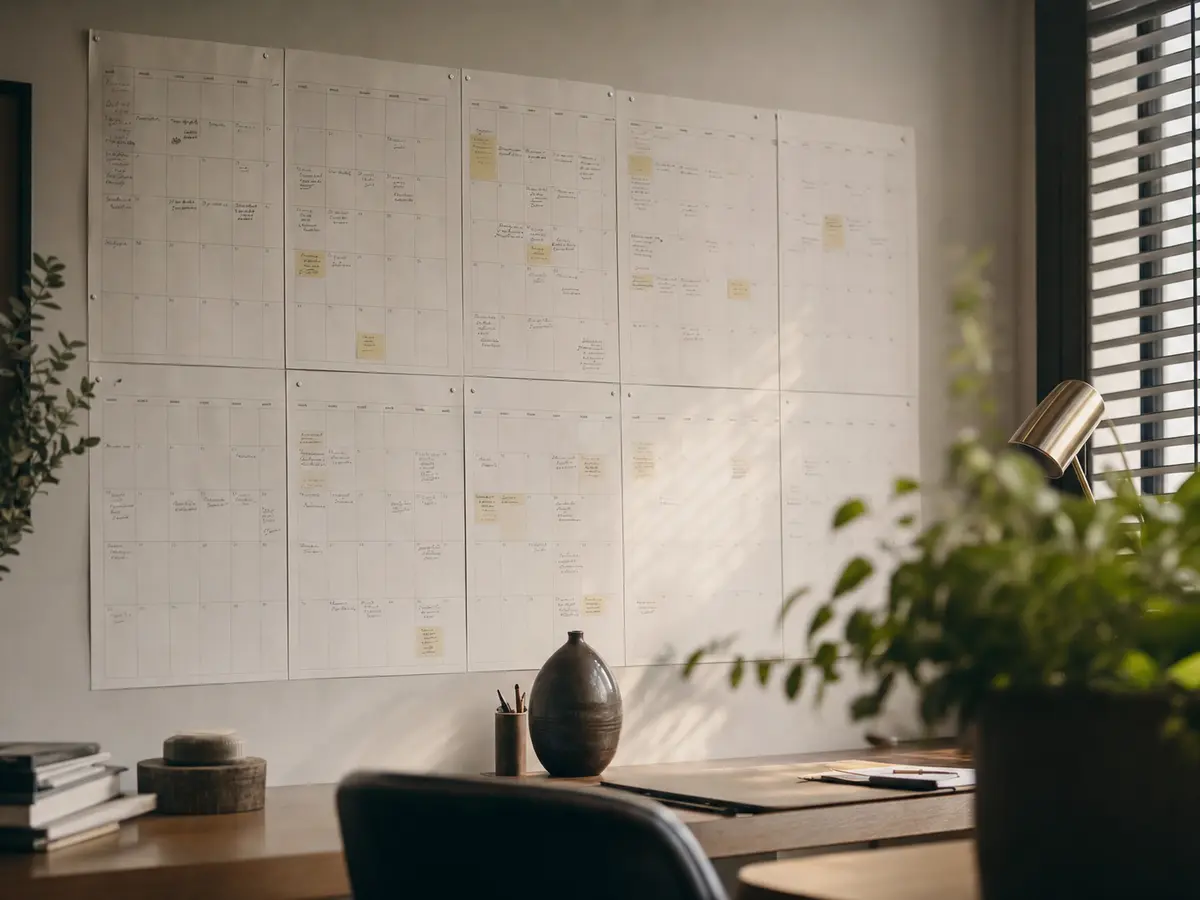
A wedding that has become a weekend rather than a single day needs its own schedule, and the couples who plan it well treat the extra days as a shape to design rather than a list of events to fill.
Arrival day
Give out-of-town guests a clear sense of what, if anything, is expected of them on the day they arrive: nothing formal is a perfectly reasonable answer, and saying so directly saves guests from guessing. If there is a group activity planned, keep it optional and low-key, since guests arriving from long journeys are rarely at their best for anything demanding.
Rehearsal or welcome gathering
A rehearsal dinner or a more casual welcome evening the night before serves a real purpose beyond tradition: it lets guests who do not know each other meet before the wedding day itself, when there is little time for introductions. It does not need to be elaborate. A relaxed, well-run evening leaves guests more comfortable, and the couple less tired, going into the following day than a lavish one that runs late.
The wedding day itself
This is the day the rest of the schedule exists to support, and it benefits from the same principle applied everywhere else: enough structure that everyone knows roughly where to be, and enough breathing room that nothing feels rushed. A clear, shared timeline, distributed to the wedding party and key family members in advance, prevents most of the day-of confusion before it starts.
The day after
A simple, informal gathering the morning or afternoon after the wedding, a shared breakfast, a casual pool day, gives guests who travelled a long way a lower-key reason to see the couple again before everyone disperses. It works best kept genuinely casual: no dress code, no formal seating, an open window of time rather than a fixed start.
Guest information and transport between events
Give guests a single, clear document or message covering every event's time, location and any transport arranged, sent well before the weekend and reconfirmed once everyone has arrived. If different events happen at different venues, transport between them needs the same clarity as transport to the ceremony itself; a guest stranded between a welcome dinner and their accommodation is a preventable problem.
The couple's own time
Protect a genuine block of unscheduled time somewhere across the weekend, even if it is only a few hours, for the two of you alone. It is easy to build a weekend so full of events that the couple experiences almost none of it as anything other than a series of appearances, and a deliberately empty hour or two is worth defending against being filled.
- Decide what, if anything, is expected on arrival day, and say so clearly.
- Keep a rehearsal or welcome gathering relaxed rather than a second formal event.
- Distribute a single, clear timeline to the wedding party and key family.
- Plan a simple, informal day-after gathering with no fixed dress code.
- Send guests one document covering every event's time, place and transport.
- Protect at least a few hours across the weekend that belong to the two of you.
A wedding weekend that works is rarely the one with the most planned. It is the one with enough structure that guests always know where to be, and enough space that nobody, least of all the couple, feels like they are performing the whole time.
Do we need a formal rehearsal dinner the night before the wedding?
No, a formal dinner is one option among several, and a more relaxed welcome gathering serves the same underlying purpose: giving guests who do not know each other a chance to meet before the wedding day itself. Keep whatever you choose simple enough that neither the couple nor the wedding party is exhausted going into the following day, since that fatigue is more noticeable on the actual wedding day than most couples expect.
What is a good way to plan the day after the wedding?
Keep it genuinely informal: a shared breakfast or brunch, a casual gathering by a pool if the venue allows it, with no fixed dress code or formal seating. Guests who travelled a distance often appreciate a lower-key reason to see the couple again before everyone disperses, and it works best as an open window of time rather than a scheduled event with its own programme.
How do we make sure the couple actually gets to enjoy a multi-day wedding weekend?
Deliberately protect a block of unscheduled time somewhere in the weekend, even a few hours, and treat it as non-negotiable rather than the first thing to be filled if the schedule gets busy. A weekend built entirely around events and appearances is easy to end up managing rather than experiencing, and a little planned emptiness is usually what prevents that.