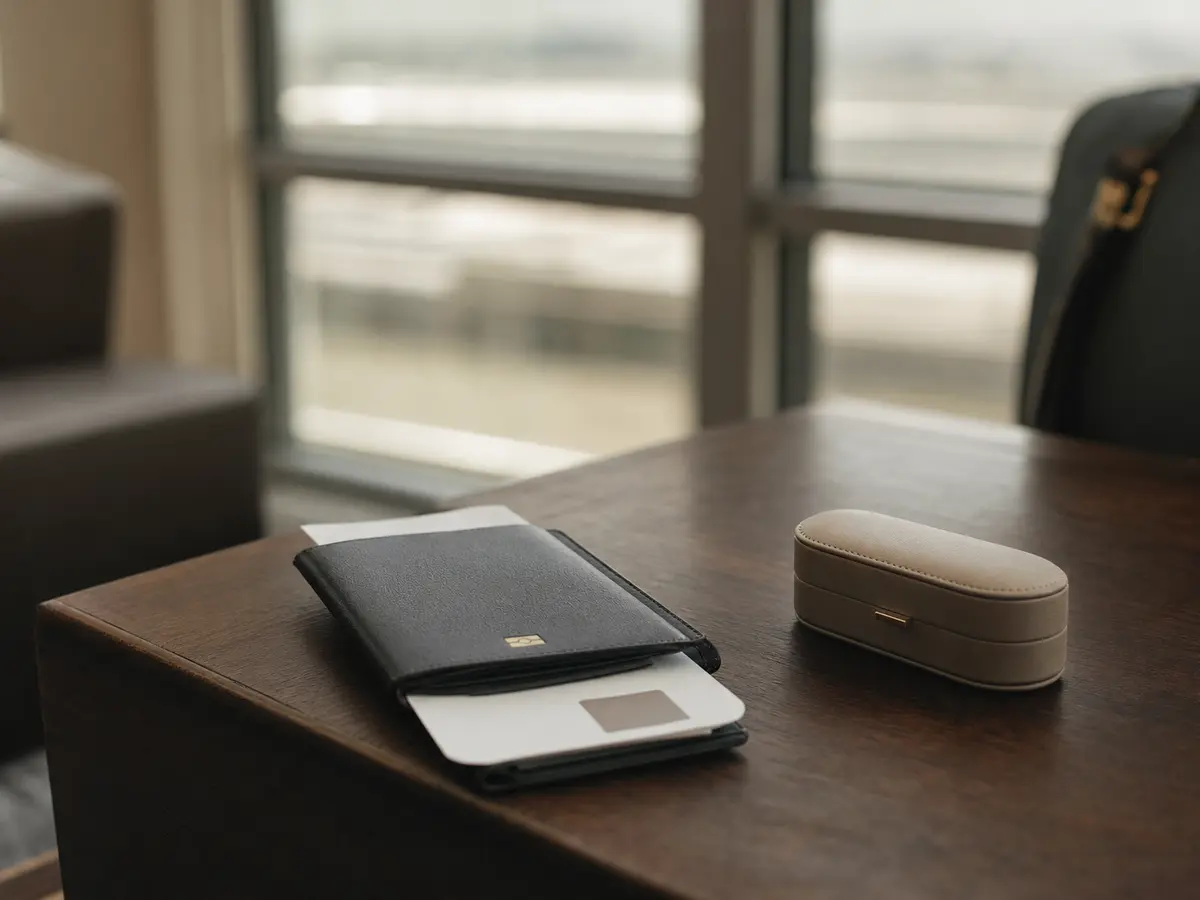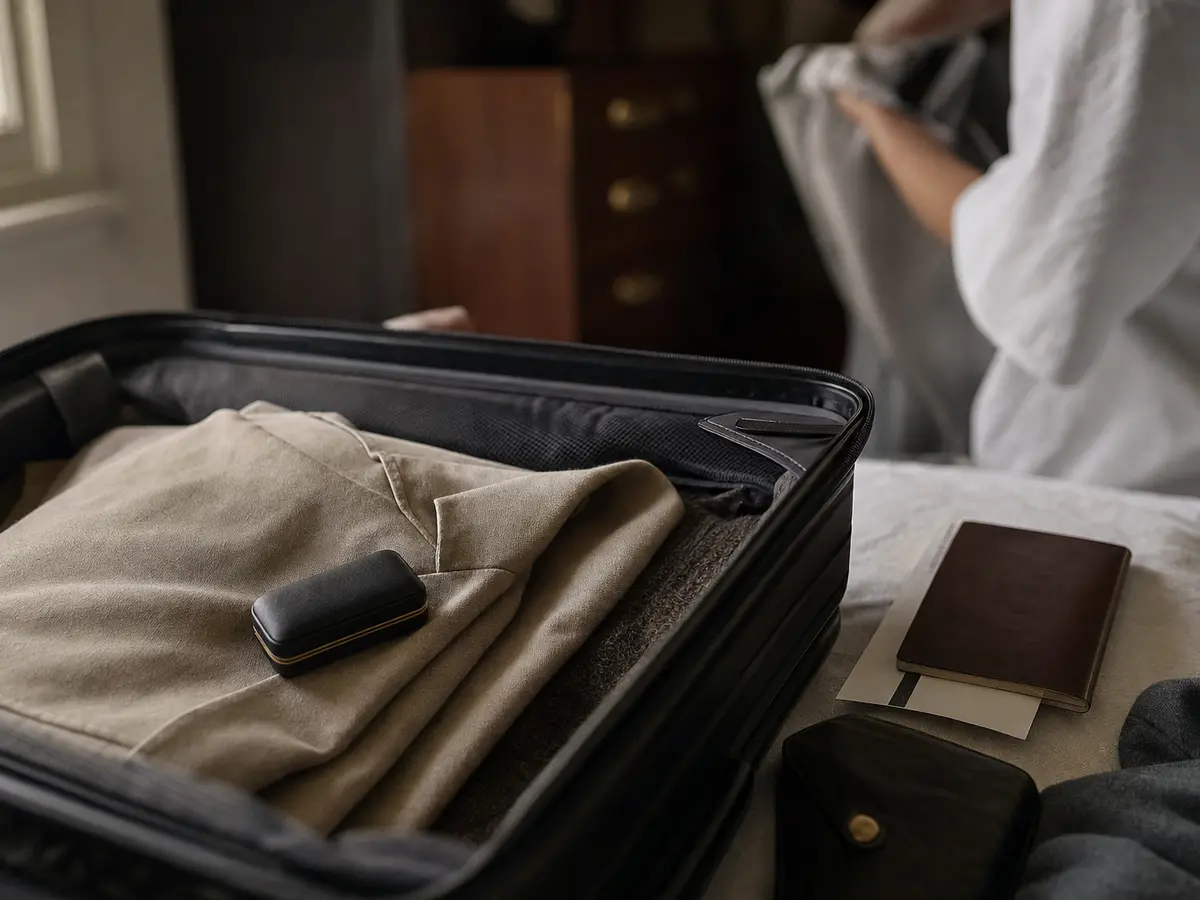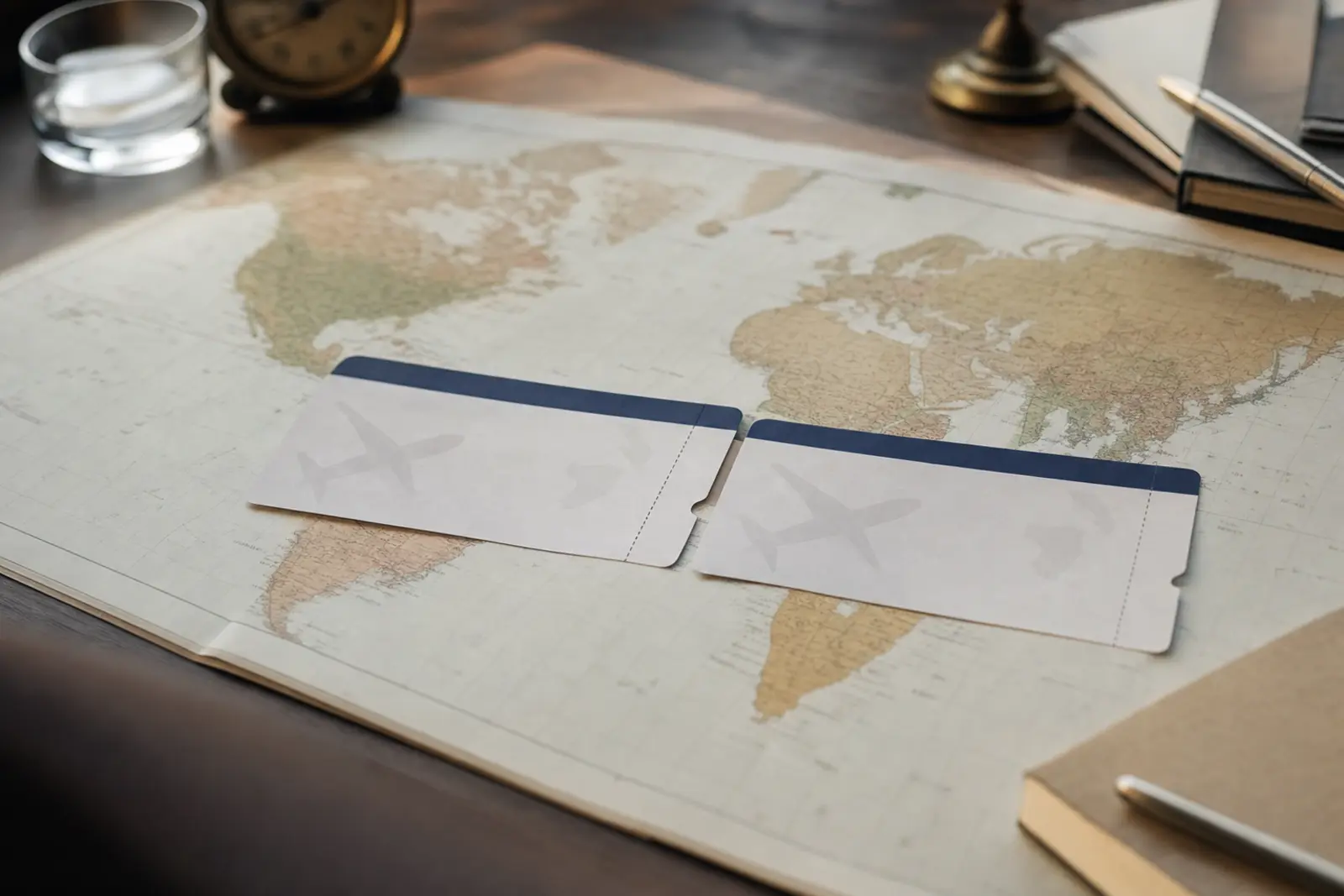
Proposing across a border adds a genuine set of logistics on top of the usual decision: which country it happens in, whether it happens in person or on a call, how far ahead visas and flights need to be arranged, and how a ring makes its own way across the same border before it can be given at all.
Proposing in person versus proposing on a call
In person is worth the effort of arranging almost every time, even when it means one of you using savings or leave to travel further than usual. It is not that a call cannot be meaningful. It can be, when it is chosen deliberately by two people who have genuinely weighed the alternative and decided a call suits them, rather than defaulted to because travel felt like too much effort. What to avoid is treating a call as the easy option without asking whether it is actually the right one.
Which country
Where the proposal happens is its own decision, separate from where the wedding eventually happens. Some couples choose whoever's country the next visit was already going to be in. Others choose neutral ground, a trip neither of you has family ties to, so the moment belongs to the two of you rather than to either side's home turf. There is no correct answer here, only a conversation worth having honestly rather than defaulting to whichever flight was already booked.
Visas, flights and timing
Long-distance proposals tend to hinge on a fixed, narrow window, whichever leave or visa period is available, which leaves far less room for the ring or the plan to slip than a local proposal has. Book flights and confirm leave earlier than feels necessary, because a long-distance relationship rarely has slack to absorb a delay.
The ring crossing a border
The ring should travel on your person, insured for the specific trip, with its valuation certificate carried alongside it rather than left at home. Some destinations expect valuables above a certain worth to be declared on arrival, and re-entering South Africa can raise its own questions if you cannot show the ring was already yours before you left. Confirm both directions with your broker and, where relevant, the customs authority at each end, well before you travel.
A wedding that may span two countries
If the two of you currently live in different countries, some of what the proposal sets in motion, where an engagement is celebrated, whose family expects to host, where the ceremony itself eventually happens, starts here rather than later. You do not need to resolve all of it before you propose, but a rough sense of which country the wedding is likely to land in tends to make the early planning conversations far less fraught once the engagement is announced.
- Confirm visa requirements and processing lead times for both of you before booking flights.
- Book flights and any leave early, since long-distance timing rarely has slack.
- Have the ring valued and insured for international travel before you fly, not once you land.
- Talk through, roughly, which country the wedding itself is likely to happen in, since it shapes several early decisions.
Is it worse to propose on a video call than to wait for an in-person visit?
Not automatically, though it is worth being honest with yourself about which one is actually driving the decision. A call chosen deliberately, because travel genuinely is not possible for a stretch of time and waiting would mean waiting far too long, is a considered choice. A call chosen because arranging travel felt like effort is usually the weaker version of the same decision, and often regretted later.
Do I need to declare the ring when I bring it into another country?
It depends entirely on the destination and the value involved, and this is general guidance rather than a specific answer for your trip. Many countries require goods above a stated value to be declared on arrival, and the ring's valuation certificate is the document that makes that process straightforward if it is required. Confirm the current threshold and process for your specific destination before you fly.