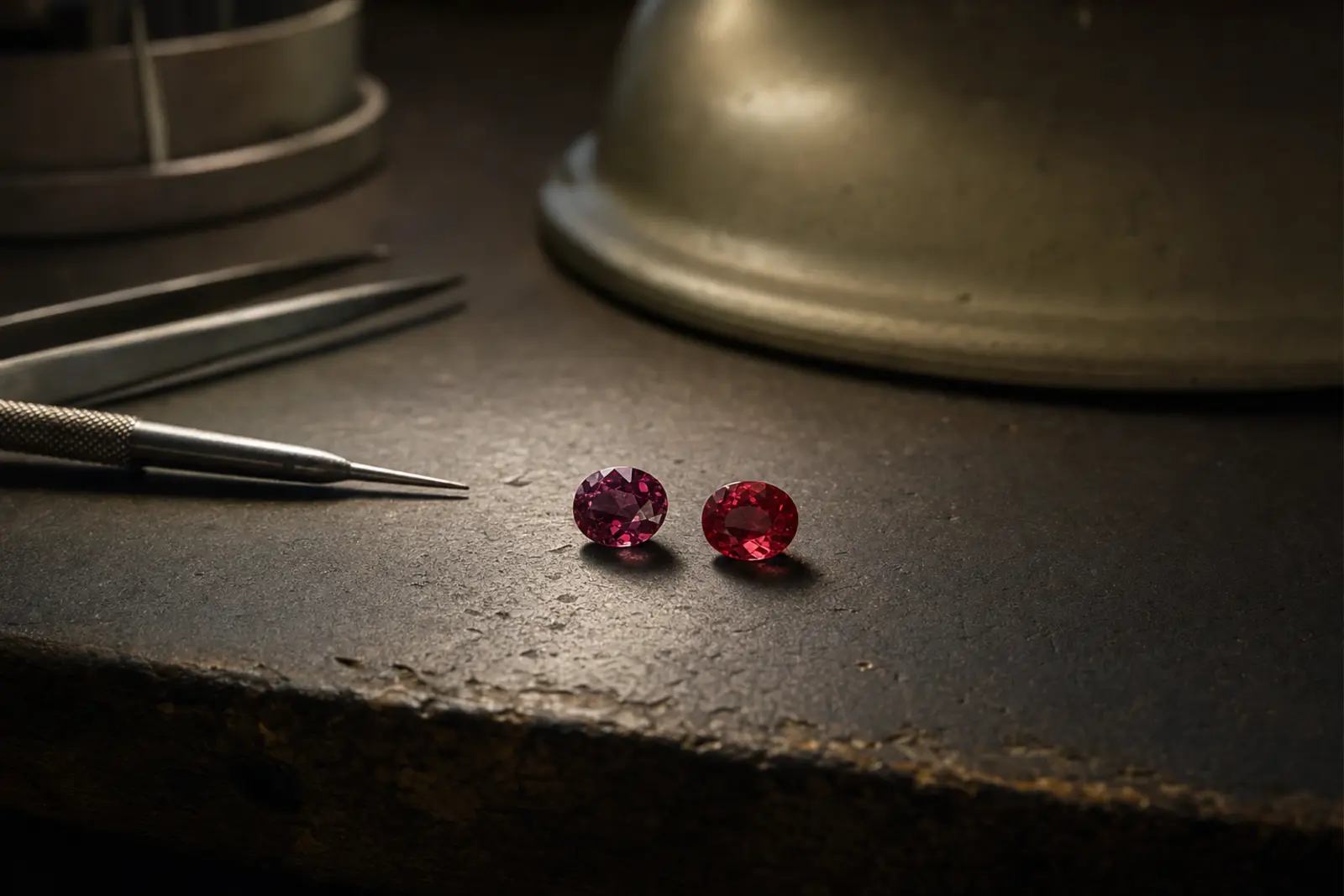
A spinel engagement ring is a genuinely well kept secret: a stone confident enough in history and colour that it spent centuries in royal collections mistaken for ruby, and undervalued today for reasons that have little to do with how it actually looks.
A history of mistaken identity
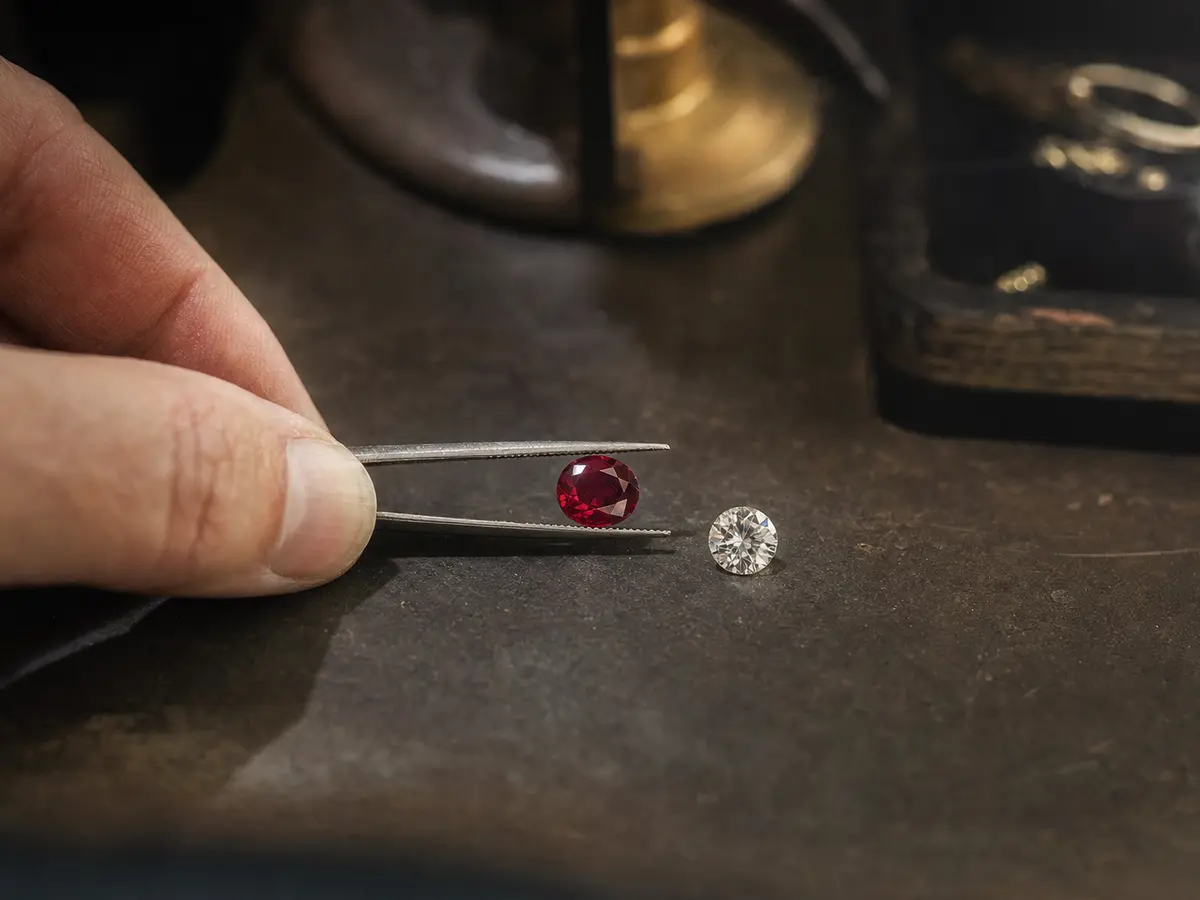
For most of history, spinel and ruby were not reliably told apart, and several of the most famous red stones in royal treasuries, long believed to be rubies, turned out on closer study to be spinel. It was only with modern gemmology that the two were consistently separated. That history is not a curiosity; it is the reason spinel has a real claim to sit alongside ruby rather than beneath it, and the price gap between them says more about market habit than about beauty.
The colour range
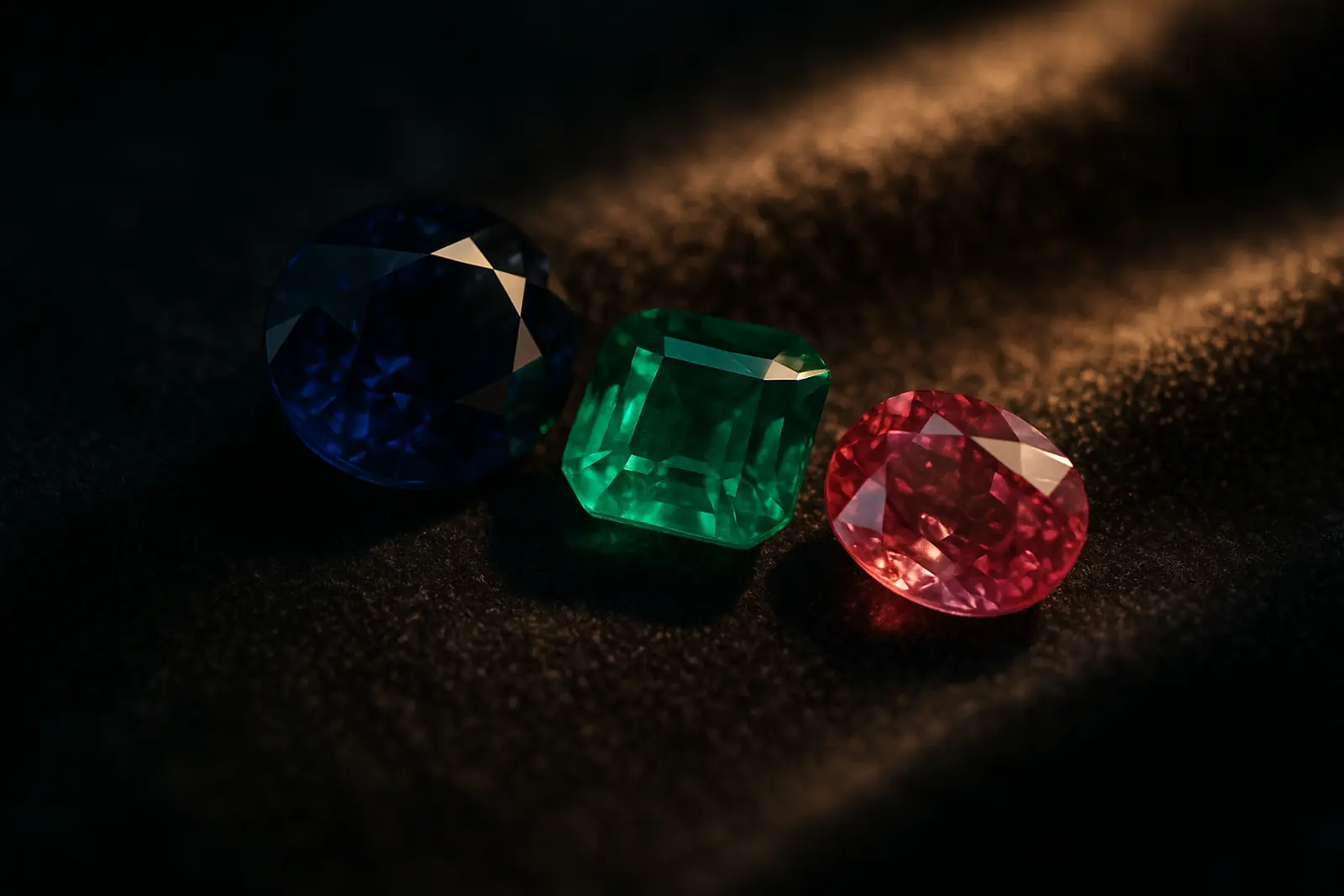
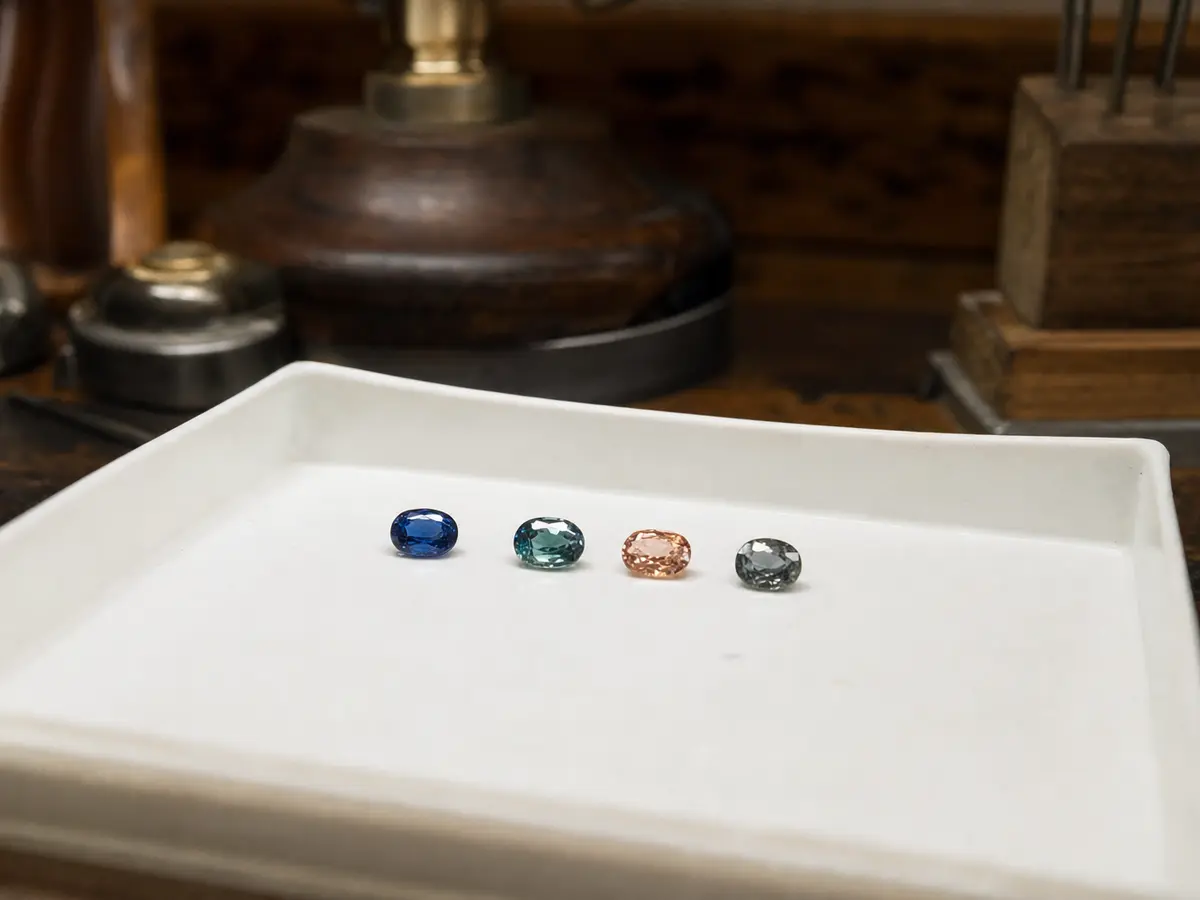
Red spinel is the closest in character to ruby and the most requested, but the range goes well beyond it: soft pinks, a distinctive lavender-grey, cool neutral greys, and, at the rarer and more sought-after end, a vivid cobalt blue found in only a handful of sources worldwide. Each colour has its own character rather than reading as a substitute for something else, and grey and lavender spinel in particular have become popular precisely because they look like nothing else on the market.
Usually untreated, and what that means
Most spinel on the market is untreated, sold as it came out of the ground, which is unusual among coloured stones and worth knowing if an untreated stone matters to you. Spinel is also singly refractive, meaning light passes through it along a single path rather than splitting as it does in doubly refractive stones such as sapphire and ruby. In practice this gives spinel a cleaner, more even flash of colour rather than the layered depth a doubly refractive stone can show, a difference worth seeing in person rather than reading about.
Value and settings
Spinel remains genuinely undervalued relative to how it performs, which means a given budget buys a larger or finer stone in spinel than the equivalent would in ruby. At eight on the Mohs scale it sits a step below sapphire and ruby but well within range for daily wear, and it settles comfortably into claw, bezel or half-bezel settings without needing the extra protection a softer stone would.
- Ask specifically whether the stone is untreated; most spinel is, and it is worth confirming rather than assuming.
- Compare it directly against a ruby of similar size and colour before deciding between the two.
- Consider grey or lavender spinel if you want something your friends will not immediately recognise.
- Clean with warm water and a soft brush; spinel tolerates an ultrasonic cleaner well.
Spinel rewards anyone willing to look past the name. It has the history, the range of colour and the hardness to hold its own, and it asks a fraction of what ruby does for a stone that, next to one, often wins the comparison outright.
Put a good spinel next to a good ruby and let the client choose blind. More often than people expect, the spinel wins on looks alone before the price is even mentioned.
Is spinel a good alternative to ruby for an engagement ring?
In many cases, yes, and not as a compromise. Red spinel shares a great deal of ruby's colour character, was mistaken for it in royal collections for centuries, and is usually untreated where most rubies are heat treated. At eight on the Mohs scale it is genuinely suited to daily wear. The honest difference is market perception rather than performance: spinel is simply not as widely known, which is part of why it remains good value.
Why is spinel less expensive than ruby of similar quality?
Mostly history and awareness rather than any real gap in beauty or durability. Ruby has centuries of established demand and cultural weight behind it that spinel, despite genuinely comparable colour in its finest examples, has never accumulated in the same way. Spinel is also, in most cases, untreated, which some buyers value directly. The result is a stone that performs close to ruby's level while costing meaningfully less, which is exactly why we suggest people look at both before deciding.