A coloured centre stone is not a lesser choice, but it is a different one, and hardness is where the difference bites. A ring is worn on the hand that does everything.
The ones that hold up
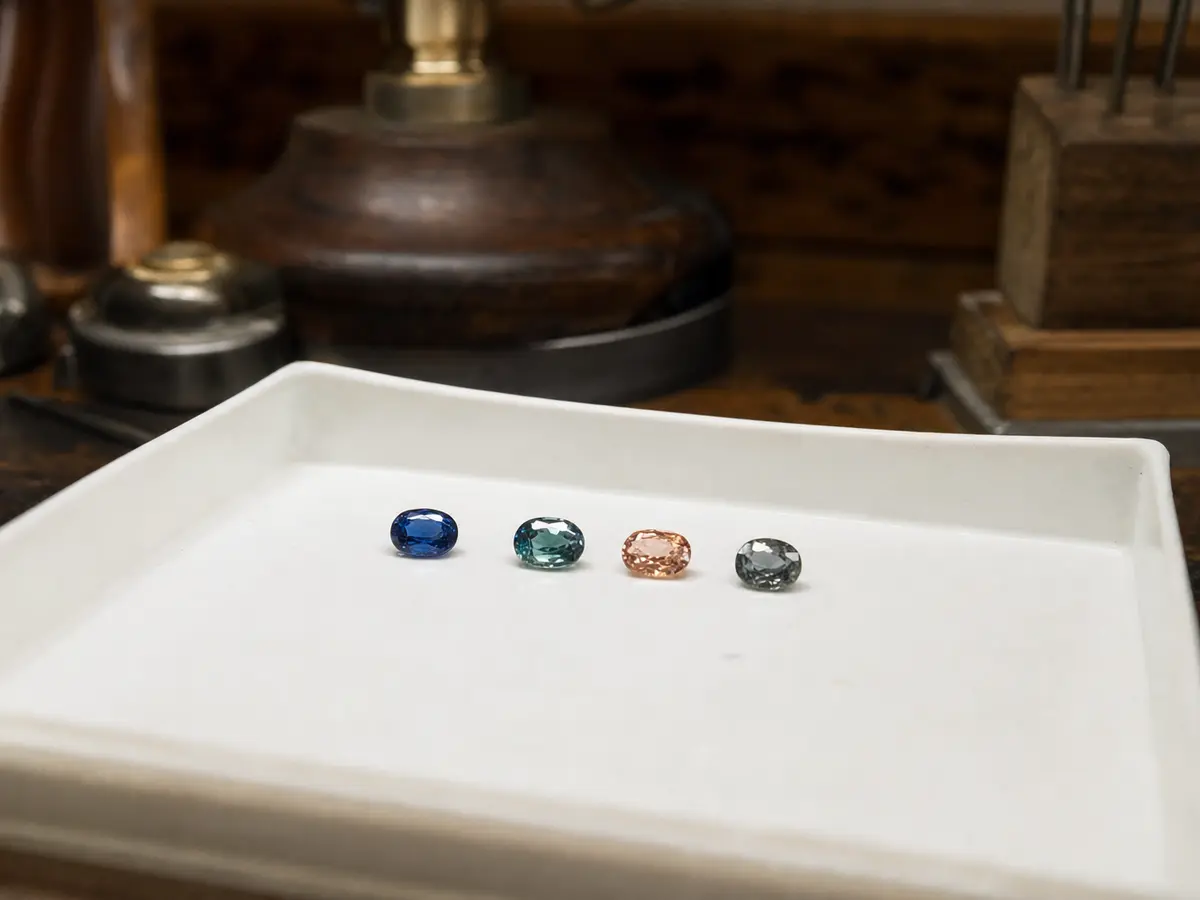
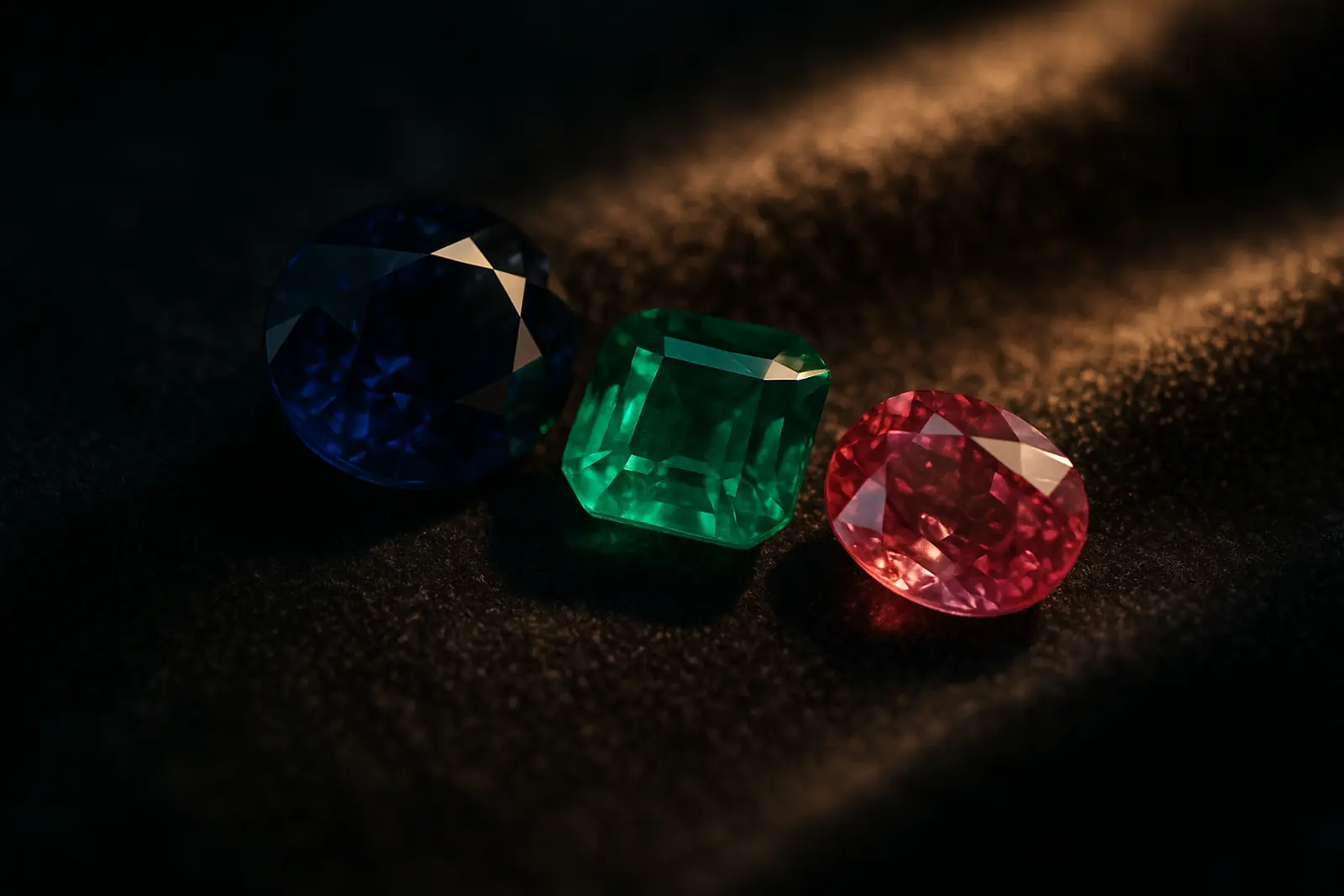
- Sapphire: nine on the Mohs scale, second only to diamond, and it comes in far more than blue. Grey, teal and warm peach sapphires wear beautifully and read as quiet rather than showy.
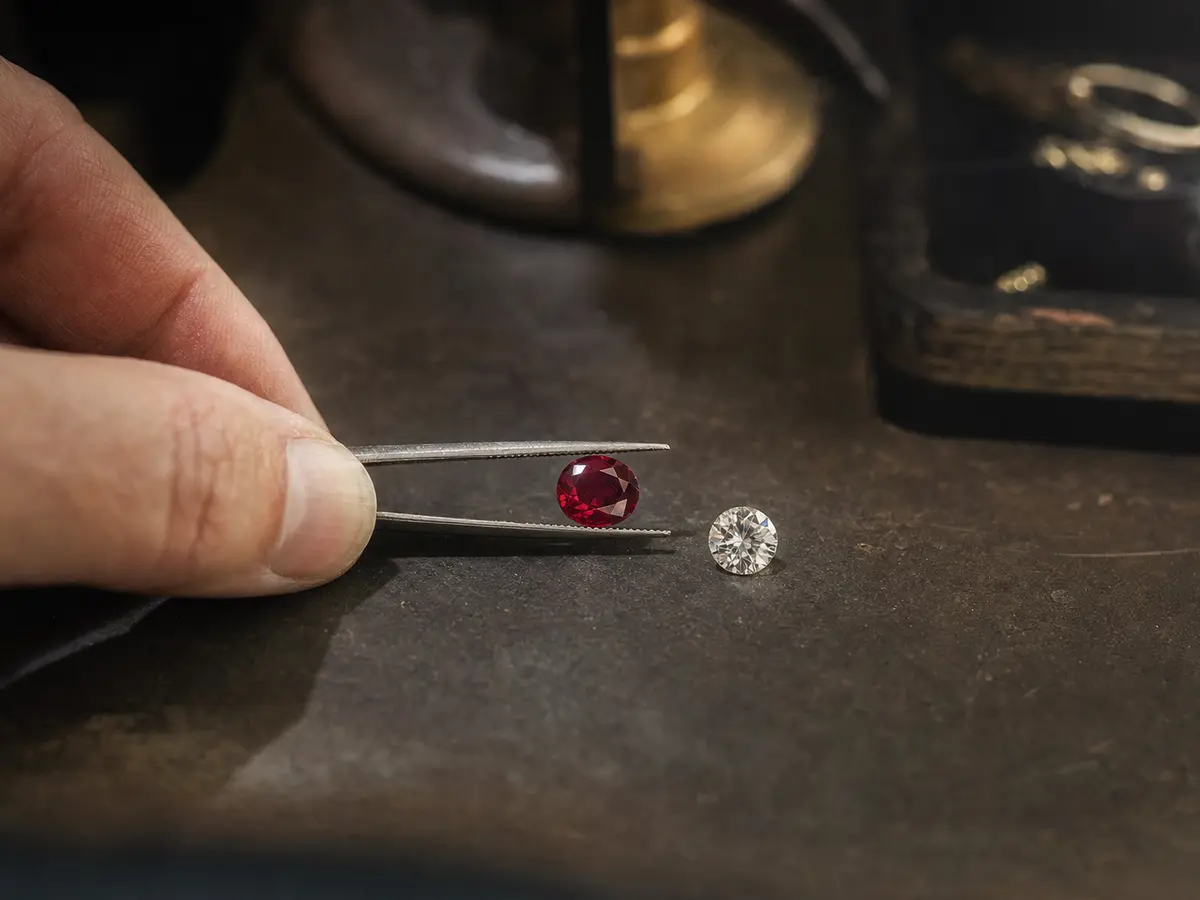
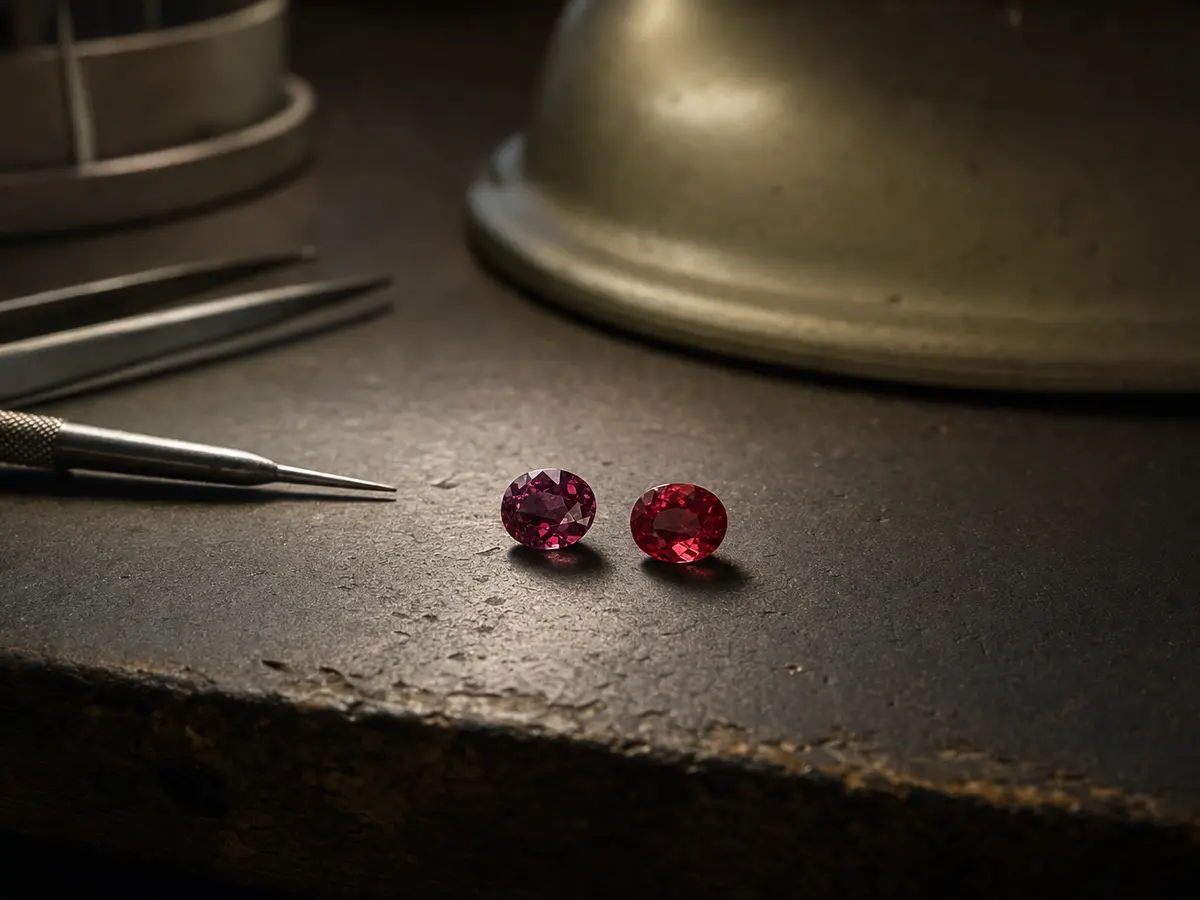
- Ruby: the same mineral as sapphire and just as hard. Good ones are rarer than good diamonds of the same size, which surprises people.
- Spinel: an eight, historically mistaken for ruby, and still undervalued relative to how good it looks.
The ones that ask more of you
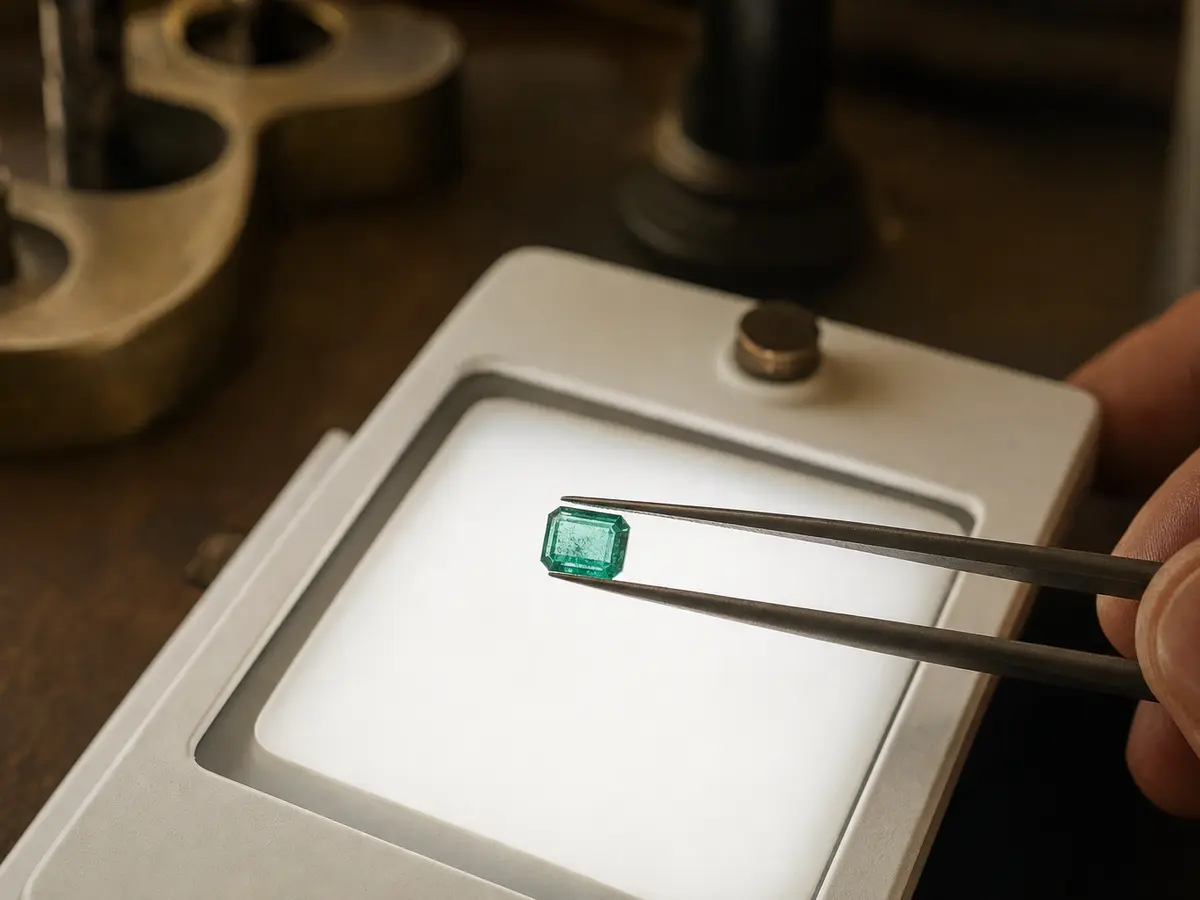
Emerald is a seven and a half but almost always included, and those inclusions are where it breaks. It is the most beautiful green there is and it is not a stone to garden in. Opal and tanzanite are softer still. None of these are wrong choices. They are choices that come with a bezel setting, a protective design, and a conversation about taking it off.
Setting matters more than usual
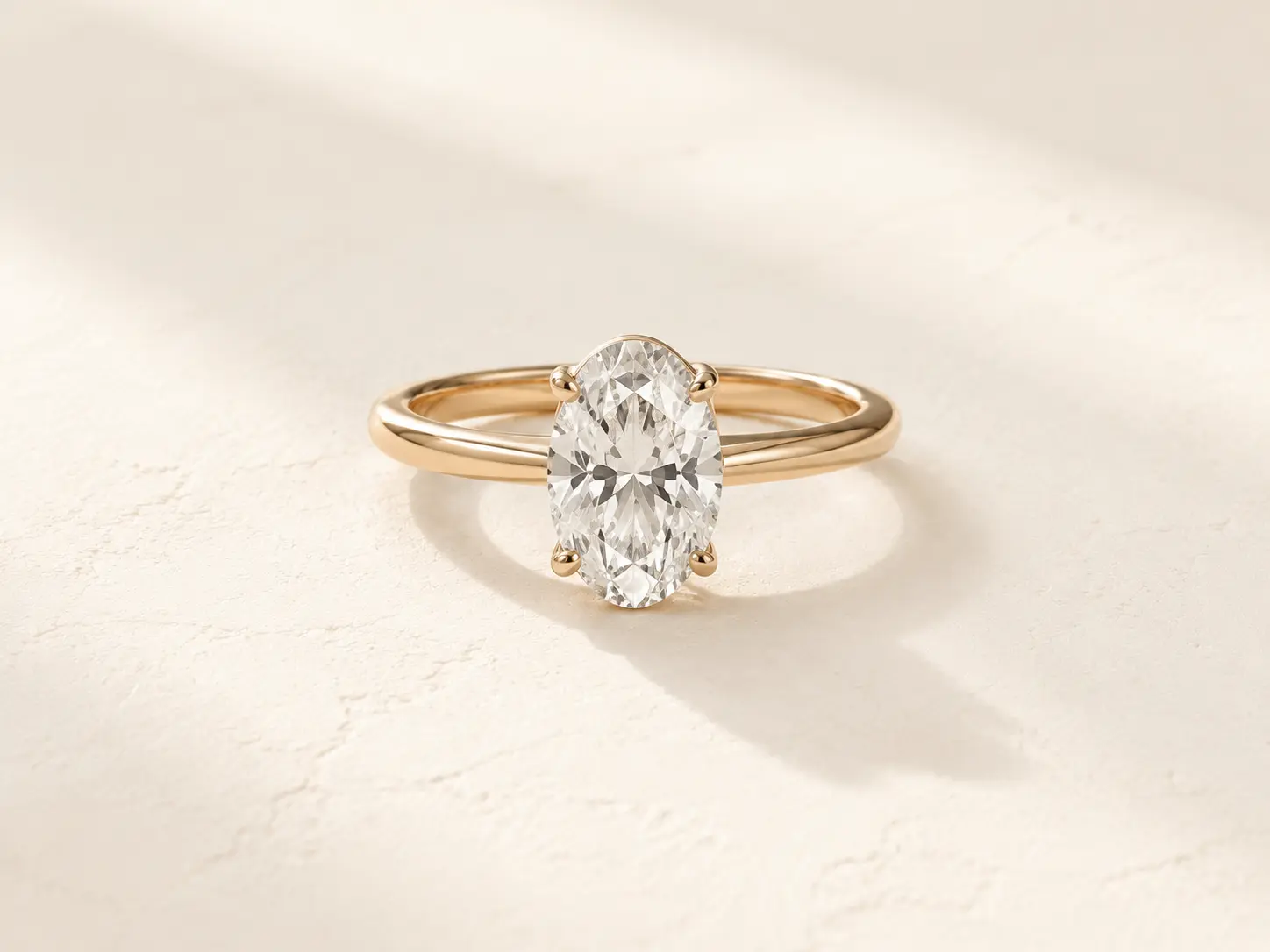
With a softer stone we will steer you toward a bezel or a low profile rather than high claws. It changes the character of the ring, and it is the difference between a piece that survives a decade and one that comes back chipped.
Hardness is not toughness
The Mohs scale measures resistance to scratching, which is what protects a polish over years of dust and grit. Toughness is resistance to chipping and cleaving, and it is a separate property. Diamond is the hardest thing there is and still chips at a thin girdle if it takes a knock at the wrong angle. Emerald scores reasonably on hardness and poorly on toughness because of its inclusions. Sapphire and spinel do well on both, which is why they are the stones we suggest most often for a hand that works.
Treatments matter here too. Most sapphires and rubies are heated, which is stable and accepted, and should be declared on the report. Some emeralds are filled with oils or resins that can dry out or cloud in an ultrasonic cleaner; ask what was done to the stone before you buy it, and ask again before anyone cleans it.
Choose the colour you love, then let the setting protect it. Almost anything can be worn daily if it is built for it.
Can a coloured stone be recut or repolished if it gets scratched?
Usually, yes, and more cheaply than people expect. A sapphire or spinel that has picked up surface wear over a decade can be repolished by a cutter with a small loss of weight and no change to the design, provided the stone is unset first. Emerald is more delicate to work on and not every cutter will take it. This is another argument for a bezel or half bezel: the setting takes the knocks the stone would otherwise take.